
Can Bodyweight Exercises Build Muscle? A Comprehensive Guide
MyFitnessCoach
October 11, 2023
In the pursuit of a strong and muscular physique, many people believe that they need access to a fully equipped gym with heavy weights and complex machinery. However, what if I told you that you could achieve significant muscle growth and strength without setting foot in a gym or lifting traditional weights? This is where bodyweight exercises come into play. In this article, we will explore the effectiveness of bodyweight exercises in building muscle and how you can harness the power of your own body to sculpt the physique you desire.

Table of Contents
Subscribe to our newslettter
What Are Bodyweight Exercises?
Before we delve into the details of muscle building, let's first understand what bodyweight exercises are. Bodyweight exercises are strength-training movements that use the weight of your own body as resistance. These exercises require no equipment, making them accessible to everyone, regardless of their fitness level, age, or location.
Examples of bodyweight exercises include push-ups, squats, lunges, planks, burpees, and many others. You've probably encountered some of these exercises in your daily life or fitness routines. They rely on your body's weight and gravity to provide resistance and stimulate muscle growth.
Muscle Building Basics
To understand whether bodyweight exercises can indeed build muscle, it's essential to know the fundamentals of muscle growth. When you engage in resistance training, your muscles experience microscopic damage. In response to this damage, your body initiates a repair and adaptation process, leading to muscle growth and increased strength. This process is known as muscle hypertrophy.
Muscle hypertrophy primarily depends on two factors: mechanical tension and metabolic stress. Mechanical tension refers to the force applied to your muscles during exercise. In traditional weightlifting, heavier weights create more mechanical tension. Metabolic stress, on the other hand, involves the buildup of metabolites and waste products in your muscles, which occurs during high-repetition, endurance-type exercises.
Can Bodyweight Exercises Generate Enough Tension?
One common misconception is that bodyweight exercises may not provide sufficient mechanical tension to stimulate muscle growth when compared to lifting heavy weights. While it's true that bodyweight exercises may not offer the same level of tension as lifting a barbell loaded with plates, they can still be highly effective for muscle building.
The key to muscle growth through bodyweight exercises lies in progressive overload. Progressive overload means gradually increasing the resistance applied to your muscles over time. In a bodyweight context, this could involve increasing the difficulty of the exercises or adding more repetitions.
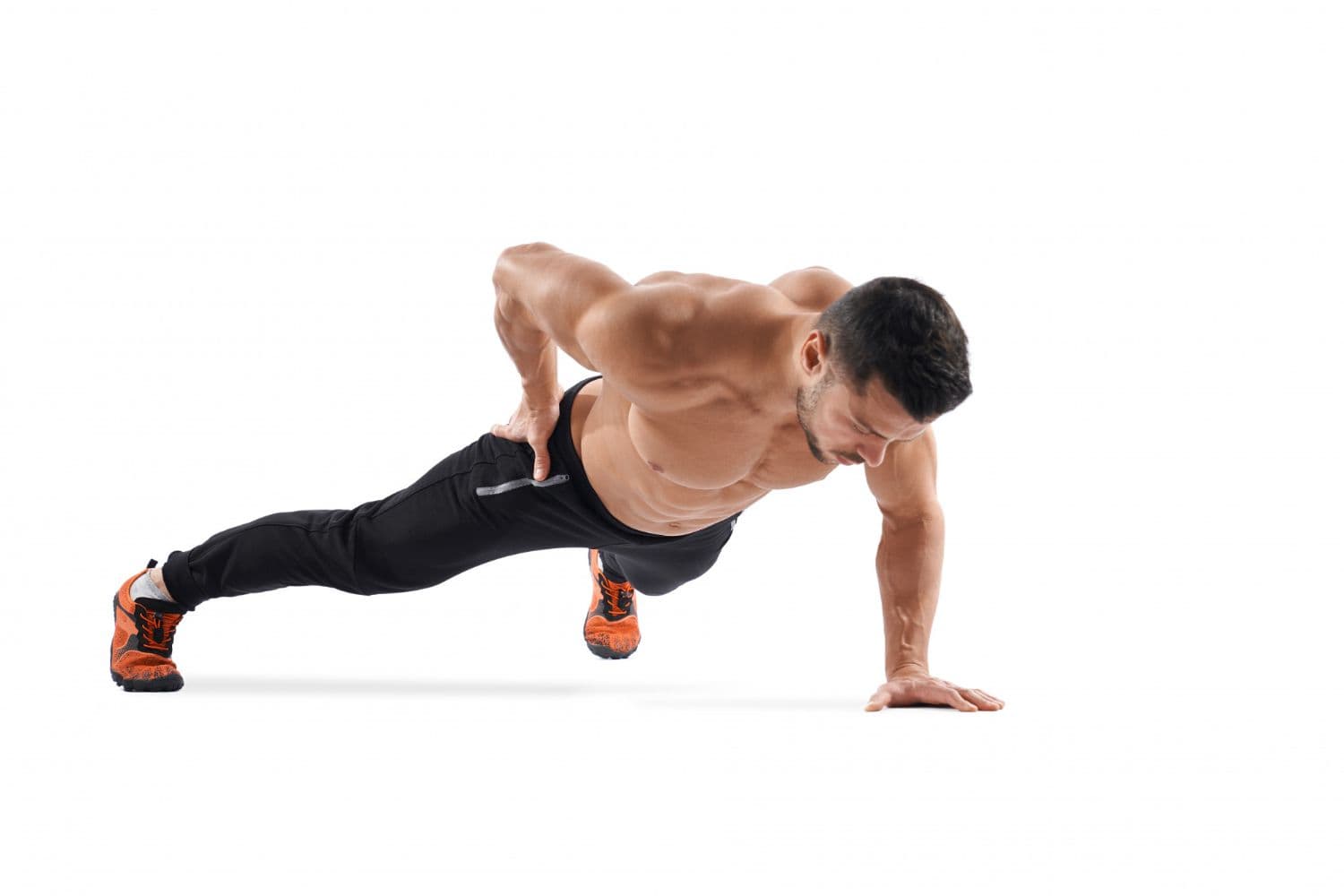
For example, if regular push-ups become too easy, you can progress to diamond push-ups or one-arm push-ups to make pushups harder. Similarly, squats can evolve into pistol squats, and planks can transform into one-arm planks. By continually challenging yourself and increasing the difficulty of your bodyweight exercises, you can provide the necessary mechanical tension to promote muscle growth.
Metabolic Stress and Bodyweight Exercises
Metabolic stress is another crucial factor in muscle building, and bodyweight exercises can be excellent at inducing this stress. High-repetition bodyweight exercises, such as squat jumps, burpees, and mountain climbers, can create significant metabolic stress in your muscles. This stress leads to a burn or pump sensation, which is an indicator that your muscles are working hard and experiencing metabolic changes associated with muscle growth.
Moreover, bodyweight exercises often involve compound movements that work for multiple muscle groups simultaneously. This not only promotes muscle growth but also enhances overall strength and functional fitness. Engaging multiple muscle groups during bodyweight exercises is similar to simulating real-life movements, making them highly practical for everyday activities.
The Importance of Proper Form
When it comes to bodyweight exercises, proper form is of utmost importance. Executing exercises with the correct form ensures that you target the intended muscles and minimize the risk of injury. Poor form can lead to overuse injuries or muscular imbalances, which can hinder your progress.
Before attempting advanced variations of bodyweight exercises, focus on mastering the basics with impeccable form. This not only reduces the risk of injury but also optimizes the effectiveness of the exercise in building muscle.
The Role of Nutrition and Recovery
While bodyweight exercises can be potent tools for muscle building, they don't operate in isolation. Nutrition and recovery play crucial roles in the process. To fuel muscle growth, ensure you maintain a balanced diet with sufficient protein, which is essential for muscle repair and growth.
Adequate rest and recovery are equally vital. Your muscles need time to repair and grow, and this occurs during rest periods, particularly when you sleep. Without proper recovery, your muscle-building progress may be compromised.
Combining Bodyweight Exercises with Resistance Training
It's important to note that bodyweight exercises do not need to be exclusive. Many individuals achieve optimal results by incorporating bodyweight exercises alongside traditional resistance training. This hybrid approach allows you to enjoy the benefits of both worlds.
For instance, you can use bodyweight exercises for warm-up or cool-down routines, as well as for improving your functional fitness. Combining bodyweight exercises with free weights or machines can help you address muscle imbalances and work on stability and flexibility.
Real-Life Success Stories
Numerous success stories demonstrate the effectiveness of bodyweight exercises in building muscle. Calisthenics athletes, for example, showcase remarkable feats of strength and aesthetics purely through bodyweight training. Their incredible physiques are a testament to the potential of bodyweight exercises for muscle building.
Moreover, individuals who travel frequently or have limited access to gym equipment have relied on bodyweight exercises to maintain their muscle mass and strength. It's a versatile and practical approach that doesn't require expensive gym memberships or specialized equipment.
In conclusion, bodyweight exercises can indeed build muscle when approached with the right mindset and strategies. While they may not provide the same mechanical tension as heavy weights, they compensate by inducing metabolic stress and promoting functional strength. Progressive overload and proper form are essential to maximizing the benefits of bodyweight exercises.
Remember that muscle building is not solely about the tools you use but how you use them. Consistency, proper nutrition, and adequate recovery are universal principles that apply to any muscle-building regimen, including bodyweight exercises. So, if you're looking to build muscle without the need for a gym, bodyweight exercises are a valuable and accessible option to help you achieve your fitness goals.
Download MyFitnessCoach app right now and get access to extensive bodyweight exercises to build muscles without a gym.
Frequently Asked Questions
Similar Articles
Stay informed with these similar articles.

MyFitnessCoach
July 31, 2023
Calisthenics: Exploring the Power of Bodyweight Exercises
Calisthenics, derived from the Greek words "kallos" (beauty) and "sthenos" (strength), is the practice of using your own body weight as resistance during exercises. Its aim is to improve strength, flexibility, and muscle coordination. Calisthenics has gained popularity in recent years due to its numerous benefits. Especially for those with busy schedules, it offers a convenient alternative to using high-tech fitness equipment and complex workouts. This form of exercise allows people to achieve strength training and physical fitness without the need to go to the gym. Not just a passing trend, calisthenics is an accessible and versatile exercise method that can positively transform anyone's life.
MyFitnessCoach
July 5, 2023
Hypertrophy Training: Maximize Your Muscle Strength
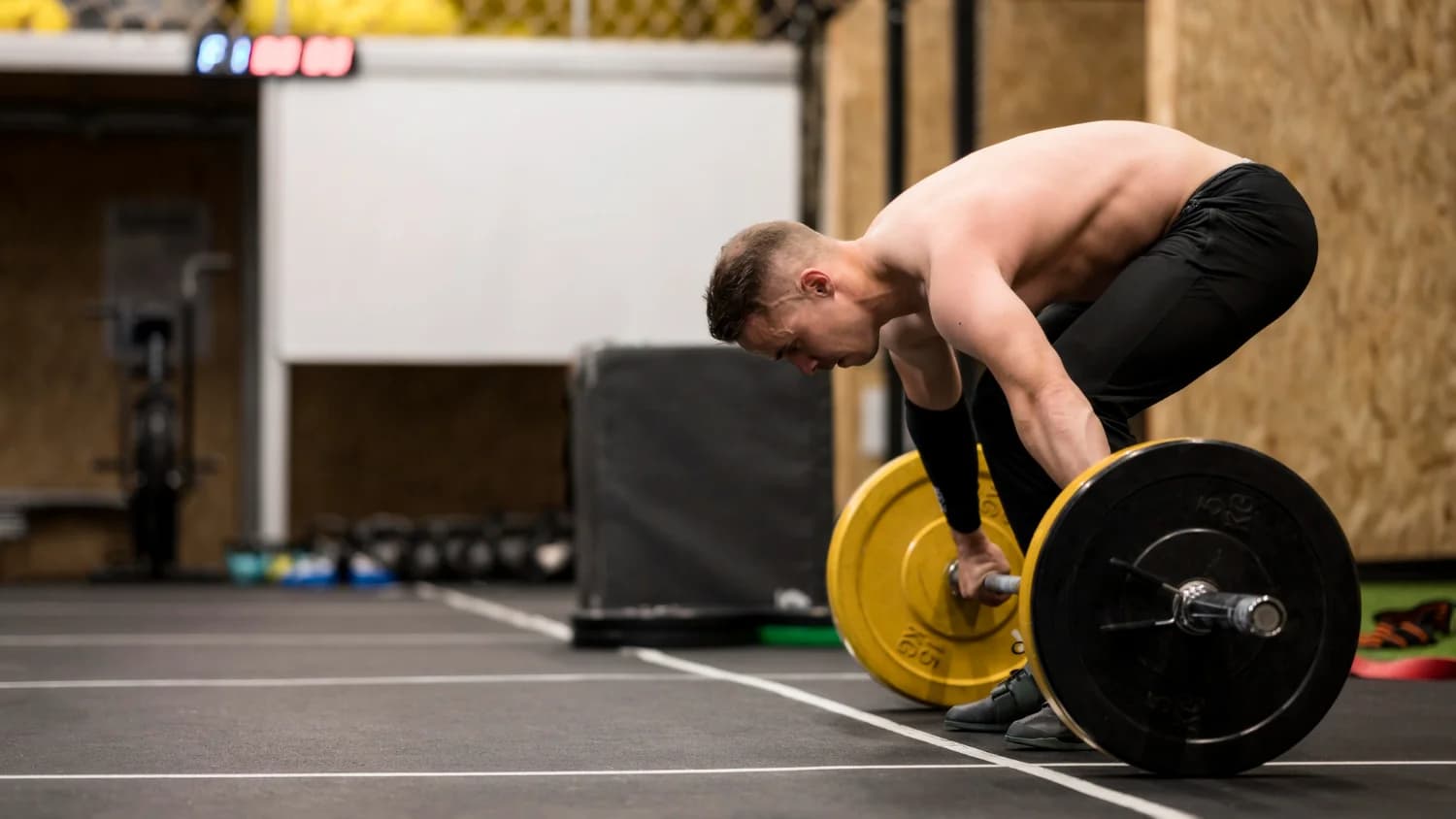
Hypertrophy training, commonly known as muscle building or bodybuilding, is a specialized training method designed to stimulate muscle growth and increase muscle size. When your aim is to strengthen your muscles then hypertrophy training is the best option for you. Whether you are an athlete aiming to improve performance, a fitness enthusiast looking to build your muscles, or someone looking for better health, understanding hypertrophy training is essential to reaching your goals.
MyFitnessCoach
November 7, 2025
How to Do a One-Arm Push-Up | Step-by-Step Guide for Strength Training
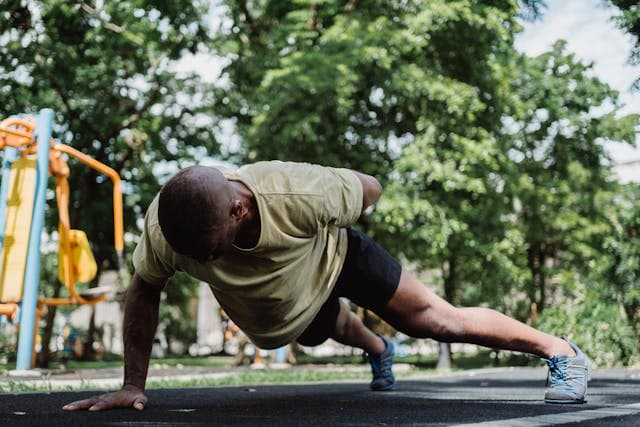
The one-arm push-up is one of the most impressive strength exercises a person can perform. It requires a combination of full-body tension, core stability, shoulder strength, chest power, and balance. Many people assume it is only for advanced athletes or calisthenics experts, but with the right progressions and a simple training plan, anyone can work toward it.