
Understanding the Butt Wink Phenomenon in Health & Fitness
MyFitnessCoach
November 24, 2023

Understanding the Butt Wink Phenomenon in Weightlifting
The term "butt wink" has become popular in the fitness world, especially among weightlifters, powerlifters, and athletes, specifically when they squat. This effect is the posterior pelvic tilt that happens when you squat, which makes your lower back slightly round at the bottom of the squat. Even though the butt wink is popular in exercise, there are still arguments about what it means, what causes it, and what risks it might pose.
When someone squats down to the bottom position, their pelvis tilts backwards, a movement called "butt wink" happens. When you move this way, your lower back rounds or bends, which makes the lumbar spine curve outward. While this may feel normal to some people when they squat, others say that too much rounding or a constant butt wink could be harmful, putting more stress on the lower back and making it harder to stay stable when moving big things.
The butt wink is controversial because people disagree on what causes it and whether it shows a bad way of moving. Some people think that the butt wink is caused by changes in the hip anatomy, like the length or width of the hip socket. Others say it might be because the hips, knees, or legs aren't as flexible as they should be, forcing the body to make adjustments during the squat.
What Causes Butt Wink?
The butt wink effect seen during squats is caused by several things, with reduced hip movement and ankle dorsiflexion being the main ones. In order to get into deeper squat situations, people make compensating moves with their bodies, especially rounding out their lower backs.
Hip movement issues are one of the main reasons why people butt wink during squats. If someone's hip joints aren't flexible enough, especially in the hip flexors and external rotators, it can be hard to do a deep squat without having to make other moves to compensate. When someone can't move their hips as far back as they'd like, their pelvis tilts backwards as they squat, which causes their lower back to round or bend to fit the movement.
In the same way, the butt wink can be caused by poor ankle dorsiflexion, which is the ankle joint's ability to bend upward. When ankle motion is limited, the knees can't move forward over the toes during a squat. To make up for this, the body changes the position of the pelvis. In order to get into deeper squat positions, this adaptation often causes the hips to tilt backward and the lower back to round.
There is limited movement in the hips and dorsiflexion of the ankles, which makes the body look for ways to squat deeper. Because these two areas aren't flexible enough, the body compensates by tilting the pelvis backwards and rounding the lower back. This causes the butt wink.
Is Butt Wink Harmful?
Concerns about the possible dangers of the "butt wink" movement during squats are still being talked about in the exercise community. Different exercise experts have different ideas about whether the butt wink can cause lower back problems or if it's generally safe for most people.
Some exercise experts are worried about the harm that the butt wink could do during squats. They say that the lumbar spine is put under too much stress by the posterior hip tilt that causes the lower back to round. From this point of view, rounding of the lower back, especially when carrying big things, might make the spine less stable and raise the risk of lower back injuries. If you do squats over and over again with a big butt wink, this strain could get worse, which could cause pain or damage in the lower back.
On the other hand, some fitness experts say that a modest amount of butt wink might not necessarily hurt you right away or be negatively impactful in general for many people. While they agree that too much rounding of the lower back should be fixed, they also say that a slight or moderate butt wink might not bother everyone right away. From this point of view, differences between people, differences in anatomy, and the general situation in which the movement happens are all very important.
Addressing Butt Wink: Tips and Techniques
To fix the butt wink, you need to make your movement and flexibility better. Here are some things that can be done to help lessen or prevent it:
1. Mobility Exercises
As part of your practice, do movements that help your hips and ankles move freely. Deep squats, stretches for the hip flexors, and joint movement drills are some examples. If you keep doing these workouts, your range of motion will slowly get better, which will lower the butt wink.
2. Squat Variations
Play around with different types of squats that are easier on your lower back. To find a stance that lets you do a deep squat while minimizing the butt wink, try box squats, wider stances, or changing where your feet are placed.
3. Core Strengthening
A strong core can help keep your back straight during squats and lower your risk of butt winks. To make your core stronger, do movements like pushups, dead bugs, and Russian twists.
The Role of Proper Form in Squatting
A lot of sports require you to squat, and doing it correctly is important for getting the most out of your workouts and avoiding injuries. Understanding how the squat works and how it links to the butt wink can have a big effect on how you train.
Form and Technique
Keeping good form during a squat depends on a few important things:
1. Neutral Spine Position
Keeping your spine straight while you squat helps spread the weight properly across your back, which lowers your risk of injury. Engaging the core muscles and keeping the lower back slightly arched can help keep the back from rounding too much.
2. Depth Control
Aiming for depth in a squat is important for getting all of your muscles to work, but if you can't move around enough, pushing yourself into a squat that is too deep may make the butt wink worse. Try to reach a depth that feels good to your body without sacrificing form.
Implementing Corrections
To deal with the butt wink, you need to follow a plan:
1. Video Analysis
Taking pictures of your squat form from different angles can help you understand how you move. Looking at these movies or getting help from a professional can help you figure out what needs to be fixed.
2. Gradual Progression
Don't try too hard to get rid of the butt wink overnight. Instead, focus on making small gains over time by doing movement drills, building exercises, and fine-tuning your skill over and over again.
Seeking Professional Guidance
To fix the butt wink during squats, it's important to understand the complexities of individual physical differences and how they affect physics. You can get a full picture of your body's mechanics and limits by talking to a qualified personal trainer, physical therapist, or sports doctor. These experts know how to do custom tests that can find any underlying problems that might be causing the butt wink condition.
Also, getting professional help lets you make a specific plan to deal with your problems in the best way possible. To avoid the butt wink during squats, a qualified personal trainer can help you find workouts that will improve your movement, flexibility, and strength in areas like your hips, knees, or hamstrings. In the same way, a physical therapist or sports doctor can help fix any muscle issues or movement problems that might be making the problem worse.
Conclusion
Many people in the exercise world are still talking about the "butt wink." But its effects can be lessened by understanding where it comes from, taking appropriate actions like doing certain exercises, and getting advice from fitness professionals. Focus on slowly getting stronger, more mobile, and better at your technique to improve your squat form and lower your risk of getting the butt wink. Taking these things into account can help you squat more safely and more effectively, which can improve your general fitness while lowering the risks of the butt wink.

If you want to read more information about Health & Fitness, just visit --> Myfitnesscoach.fit
Frequently Asked Questions
Similar Articles
Stay informed with these similar articles.
MyFitnessCoach
June 27, 2023
Squats For Beginners: Build Lower Body Strength
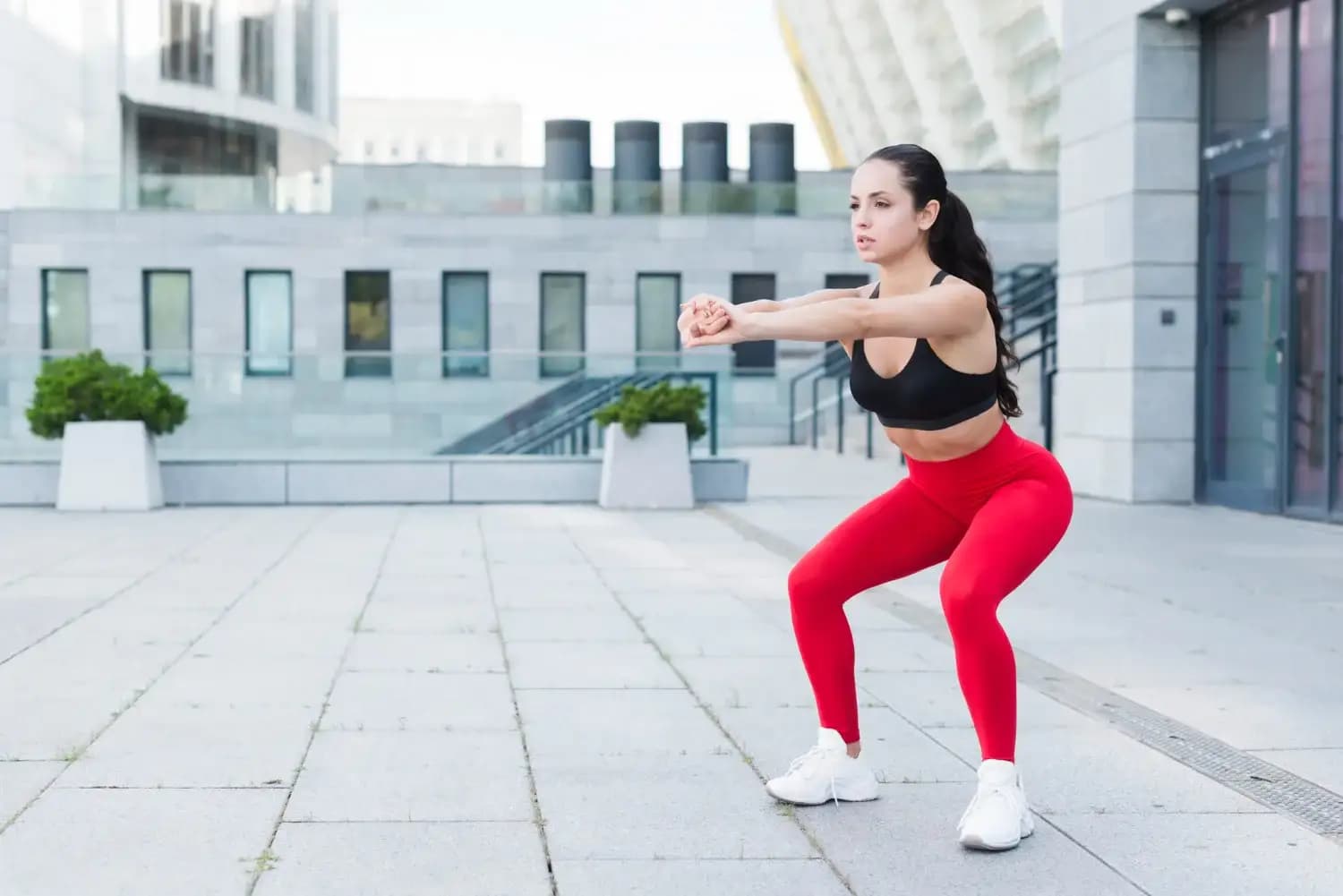
Squats are the best exercise for developing lower body strength. Squats are one of the most effective lower-body workouts. They work a variety of muscles, including the quadriceps, hamstrings, glutes, and core. Squats, whether you are a fitness enthusiast or a newbie, may provide several benefits to your training program. However, good form and technique are essential for maximizing benefits and avoiding injuries.This article aims to give a comprehensive instruction for beginners on how to execute squats, concentrating on proper technique, variations, frequent errors, and safety precautions. Let us not waste any more time and thoroughly examine squats:

MyFitnessCoach
June 14, 2023
Glute Stretches: An Effective Way to Enhance Flexibility
The best glute stretches are the figure-4 (lying or seated), the knee-to-opposite-shoulder stretch, half pigeon and a standing version you can do anywhere. Hold each for about 30 seconds per side at a firm but comfortable stretch, and repeat two or three times. Doing it regularly for a couple of weeks is what improves how far your hips move.
MyFitnessCoach
July 3, 2023
Sculpt your Core Muscles: A Guide to Abs Workouts for Women
Having a strong, well-defined core makes your body look better. A strong core is also important for your general health and fitness, not just for how it looks. Abs workouts are good for both men and women and can help them in many ways. But there are different ways to work out a woman's abs based on how her body works. Because of these differences, the way to strengthen the core may need to change. In this article, we'll talk in detail about some useful workouts for women's abs. These exercises will give you the confidence you need to shape your core in a way that feels good to you. It doesn't matter if your goal is to get a toned core, improve your sports ability, or improve your balance. All over, these workouts are good for your body.Before talking about abs workouts, it's important to understand how core muscles work and how important they are. The core is made up of the rectus abdominis, the obliques, the transverse abdominis, and the muscles in the lower back. Together, these muscles help keep the body balanced, support the back, and allow the upper body to move. By building and training their core, women can improve their balance, feel less pain in their low backs, and improve their general physical fitness.