
Squats For Beginners: Build Lower Body Strength
MyFitnessCoach
June 27, 2023
Squats are the best exercise for developing lower body strength. Squats are one of the most effective lower-body workouts. They work a variety of muscles, including the quadriceps, hamstrings, glutes, and core. Squats, whether you are a fitness enthusiast or a newbie, may provide several benefits to your training program. However, good form and technique are essential for maximizing benefits and avoiding injuries.This article aims to give a comprehensive instruction for beginners on how to execute squats, concentrating on proper technique, variations, frequent errors, and safety precautions. Let us not waste any more time and thoroughly examine squats:

Table of Contents
Subscribe to our newslettter
Basic Mechanism
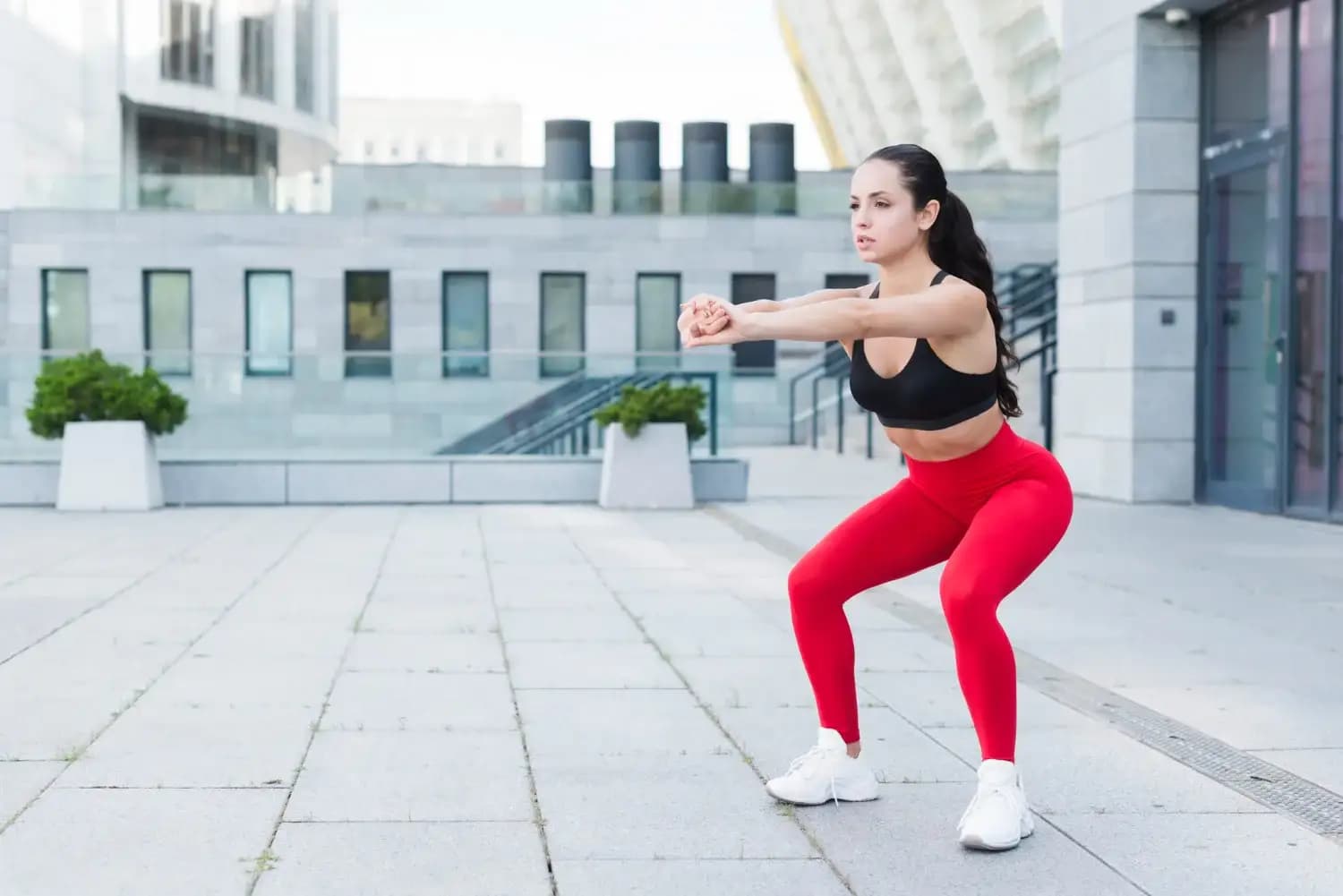
- Position: Stand with your feet placed slightly wider than shoulder-width apart, with toes pointed slightly outward.
- Alignment: Maintain a neutral spine, with your chest lifted and shoulders back. Engage your core throughout the movement.
- Depth: Lower your body until your thighs are parallel to the floor while keeping your heels firmly fixed on the ground.
- Breathing: Inhale before initiating the squat and exhale as rise back to the original position.
Squat Variations
Once you have mastered basic squats using only your body weight, you can attempt various squat variations. These variations will provide a more challenging workout for your leg muscles. Here are some common but useful variations in squats to make it more challenging:
- Goblet Squats: You can hold a dumbbell or kettlebell at chest level with both hands while performing squats. This variation helps to improve balance and promotes an upright chest position.
- Front Squats: Place a barbell across your front deltoids while keeping your elbows high. Front squats emphasize the quadriceps and challenge core stability.
- Sumo Squats: Stand with your legs significantly wider than your shoulder-width with toes pointing outward at a greater angle. Sumo squats primarily target the inner thighs and glute muscles.
- Bulgarian Split Squats: Stand in a lunge position with one foot elevated behind you on a bench or step. This exercise increases unilateral leg strength and stability.
Common Mistakes in Squats
Squats are extremely beneficial for your lower body muscles if done correctly. If you perform them without maintaining a proper angle, it can lead to injuries and hinder progress. As a beginner, you should be aware of the following common mistakes so you can avoid them:
- Incorrect Form: If you fail to maintain proper form with the right angle, it can lead to excessive strain on the knees. Your lower back and hips also suffer significant effects. It is crucial to prioritize form over weight.
- Inadequate Depth: When doing squats, keep your knees at a right angle and go as low as you can. Doing only partial squats doesn't work your muscles enough and slows down progress. Aim for the right depth while maintaining good form.
- Knees Position: Keep your knees aligned with your toes when moving. If your knees cave inwards, it can hurt your joints and cause injuries.
- Poor Core Engagement: Not using the core can make the exercise less effective. Keep your core tight during the exercise to stay stable.
Safety Precautions
The following safety tips need to be kept in mind for beginners to ensure safe and effective squats. So you could produce maximum benefits without any accidents.
- Warm-up: Warming up your body is very crucial before the start of any exercise, especially squats. It helps to increase blood flow, improve mobility, and prepare the muscles for the squatting motion.
- Start Easy: Always begin with basic level squats usually with your body weight. Initially focus should be on the correct form. You can gradually increase the weight and add more variations as your strength improves.
- Listen to Your Body: Pay attention to any discomfort or pain during squats. If you experience sharp or persistent pain, stopping and seeking medical advice is essential.
- Use Proper Equipment: Wear appropriate footwear with a flat and stable sole to provide support and prevent slipping.
- Spotter or Safety Bars: This is required at an advanced level. When you perform heavy squats, consider having a spotter or using safety bars to ensure safety in case of failure.
Squats With MyFitnessCoach App
Squats are a flexible and powerful workout for beginners aiming to strengthen their lower body. Learn proper form, progress to harder variations, and gain better muscle tone, strength, and athletic performance. However, it is essential to put safety first and avoid possible mistakes that might cause harm.Beginners can start their squatting journey by using the MyFitnessCoach app. They can benefit from its advantages by following the instructions in a detailed tutorial.Read More Informative Blogs At: MyFitnessCoach.Fit
Frequently Asked Questions
Similar Articles
Stay informed with these similar articles.

MyFitnessCoach
June 14, 2023
Glute Stretches: An Effective Way to Enhance Flexibility
The best glute stretches are the figure-4 (lying or seated), the knee-to-opposite-shoulder stretch, half pigeon and a standing version you can do anywhere. Hold each for about 30 seconds per side at a firm but comfortable stretch, and repeat two or three times. Doing it regularly for a couple of weeks is what improves how far your hips move.
MyFitnessCoach
May 16, 2023
Easy And Effective Core Workouts At Home
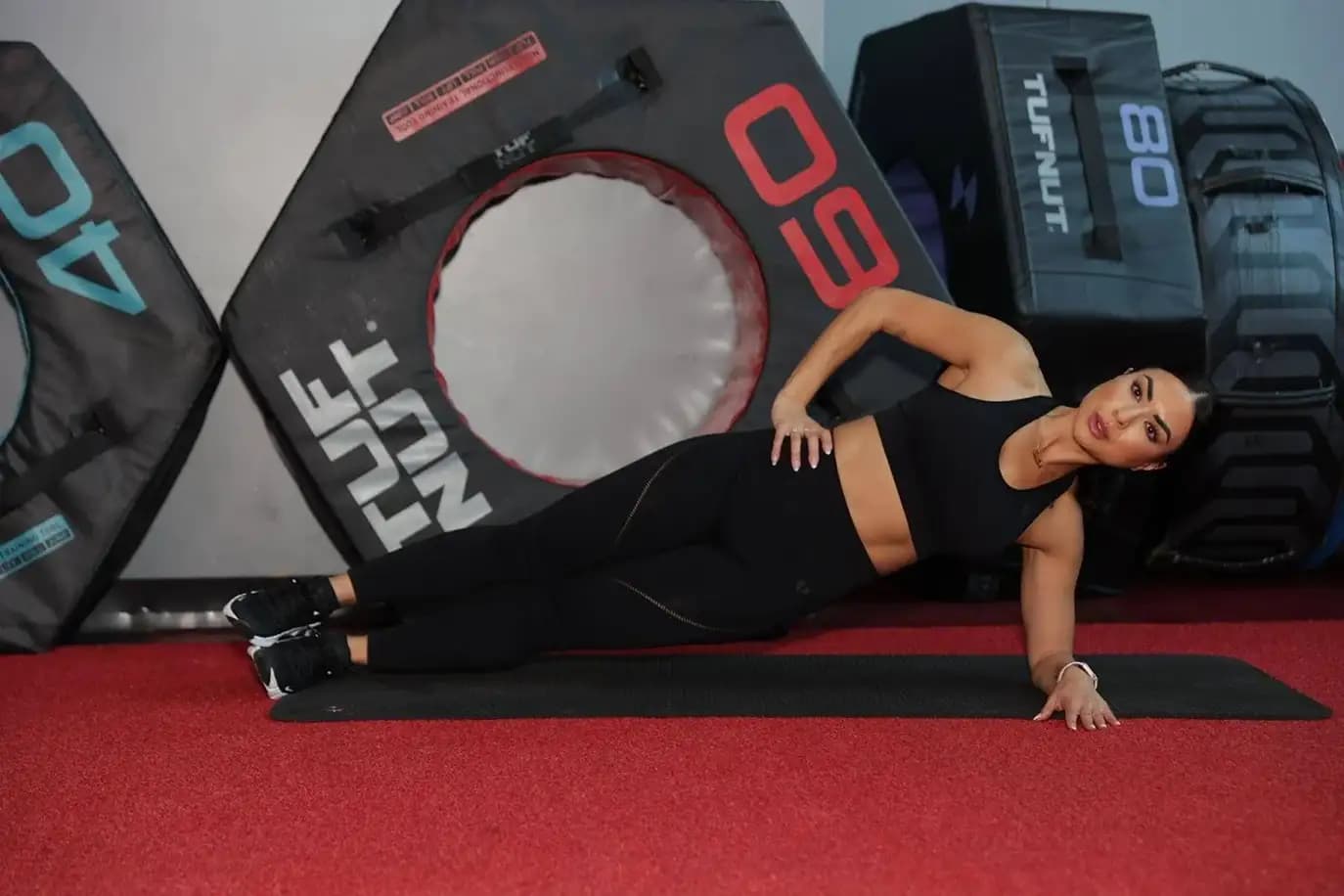
The world is constantly changing and getting fast-paced. You can find it pretty challenging to take time from your busy schedule to visit the gym. However, having a fitness routine and maintaining a strong core are essential to health. This ensures overall fitness and stability.Don't get worried you don't need to get through the tedious gym routine to stay fit and healthy. You can achieve your fitness goals from the comfort of your own home. This article will explore easy and effective core workouts you can effectively do at home. You will need minimal equipment to get maximum results while at home.
MyFitnessCoach
January 23, 2025
Why Do I Have Butt Wink When Squatting?
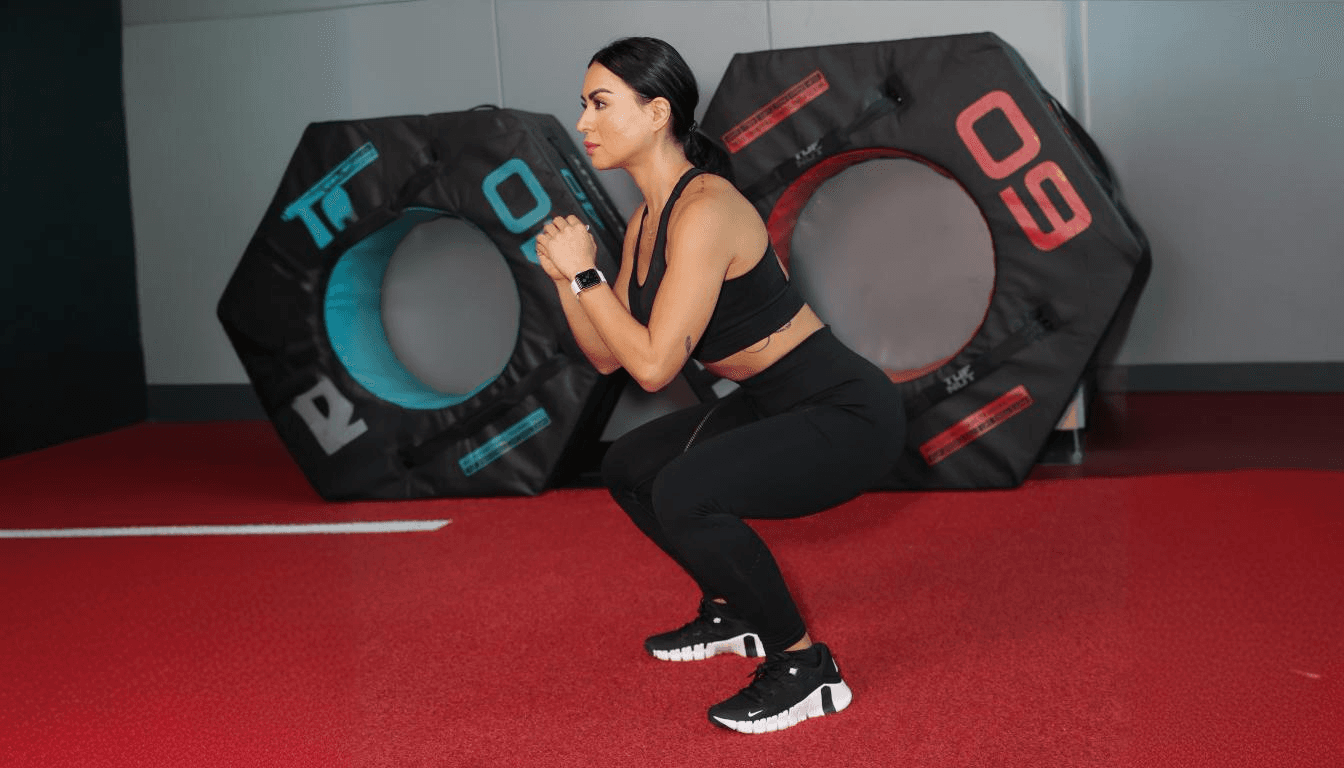
If you’ve been working on your squats and noticed your lower back tucking under as you descend, you might be dealing with a common issue called “butt wink.” This movement pattern can affect your squat performance, increase injury risk, and limit your gains. But what exactly causes butt wink, and how can you fix it? Let’s break it down in simple, easy-to-read terms.