
Why Kneecaps Sweat? 5 Surprising Causes & Proven Fixes
MyFitnessCoach
May 9, 2025
Ever noticed your knees getting sweaty for no reason? You're not alone. Sweaty kneecaps might seem odd, but they're more common than you think.
In this guide, we'll break down everything you need to know about sweaty kneecaps, why they happen, and simple ways to manage them, especially if you're working out or staying active. Whether you're doing yoga, going for a walk, or following a strength plan on MyFitnessCoach, understanding this small but annoying issue can help you feel more comfortable and confident during your fitness journey.
This article is for informational purposes only and is not a substitute for professional medical advice, diagnosis, or treatment. Always consult a qualified healthcare provider with any questions about a medical condition.
Download MyFitnessCoach app - your AI fitness coach for workouts, diet plans, and health tracking.

Table of Contents
Subscribe to our newslettter
What Are Sweaty Kneecaps?
Sweaty kneecaps happen when the skin around your knees starts to sweat more than usual. It's totally normal to sweat, especially during workouts or on hot days. But when sweat collects around the knees, it can feel uncomfortable or even embarrassing.
Your knees have sweat glands just like the rest of your body. When your body heats up, either from exercise or weather, it tries to cool down by sweating. But if your knees are sweating a lot, especially when the rest of you isn't, it might be your body's way of signaling overheating, poor moisture-wicking clothing, or in rare cases, an underlying circulatory or hormonal issue worth mentioning to a doctor.
Common Reasons for Sweaty Kneecaps
There are a few reasons why your kneecaps might be extra sweaty:
1. Exercise and Movement
When you're active, your body produces more heat. Your knees move a lot during workouts, especially if you're running, squatting, or doing lunges. That movement creates friction and heat, which leads to sweating.
Tip: Logging your workouts using MyFitnessCoach helps you track when and how much you sweat so you can adjust your routine.
2. Tight or Non-Breathable Clothing
Wearing thick leggings or workout pants made from non-breathable fabrics can trap heat around your knees. That causes more sweating, even if you're not moving much.
3. Hot or Humid Weather
Heat makes your whole body sweat more. Knees are often covered, so moisture gets trapped and builds up.
4. Nervousness or Anxiety
You might not expect it, but stress or nervous feelings can cause sweat in unusual places, including the knees.
5. Medical Conditions
Though rare, some people have a condition called primary hyperhidrosis, a condition that makes certain parts of the body sweat more than usual. Knees are not the most common spot, but it can happen.
Why Do the Front of My Knees Sweat Specifically?
The front of the knee (the kneecap area) has less airflow than other parts of the leg, especially when covered by leggings, knee sleeves, or braces. This area also flexes constantly during squats, lunges, and stairs, creating friction-driven heat right at the kneecap. That's why sweat often shows up at the front of the knee before anywhere else on the leg.
Why Do I Sweat Behind My Knees?
Sweating behind the knees is common. The back of the knee is a skin crease, where heat, trapped moisture and friction build up, especially during exercise, in hot weather or in tight clothing. Rarely, it's a sign of hyperhidrosis. See a doctor if it starts suddenly, disrupts your life or comes with dizziness or chest pain.
In skin creases, DermNet explains, skin runs warmer, sweat can't evaporate and rubbing adds friction. That's why this area can feel wetter than your thighs.
| Cause | What helps |
|---|---|
| Heat and exercise | Cool down and rest |
| Moisture and friction in the crease | Dry it, wear loose clothes |
| Heat rash (itchy small bumps) | Keep cool, loose cotton |
| Hyperhidrosis | See a doctor |
How to Stop the Back of Your Knees From Sweating
- Dry the crease after exercise. DermNet advises bathing and fully drying skin creases after exertion.
- Wear loose, breathable clothes. Harvard Health and the NHS suggest loose cotton, and Harvard warns tight synthetic fabrics can trap heat.
- Try an antiperspirant on clean, dry skin. DermNet says an antiperspirant cream or powder can reduce sweating in skin creases. Test a small patch first.
- Skip greasy creams there. Harvard Health says oily moisturisers can block sweat ducts further.
When to See a Doctor
Mayo Clinic says to see a provider if your sweating:
- starts suddenly or increases for no clear reason
- disrupts your daily routine or causes distress
- comes with a rash that doesn't improve
Seek urgent help if heavy sweating comes with dizziness, chest pain or a rapid pulse. Sweating at the front of your knees instead? See why the front of your knees sweat. Curious about sweat and calories? See does sweating burn calories.
How to Prevent or Manage Sweaty Kneecaps
If sweaty kneecaps are bothering you, don't worry. There are easy ways to handle it:
1. Wear the Right Workout Clothes
Choose breathable, moisture-wicking fabric that keeps sweat away from your skin. On the flip side, if you train in cold weather, knee warmers can keep your joints loose and reduce stiffness during outdoor workouts.
2. Keep Skin Clean and Dry
Shower regularly and dry your knees well after. If you're in a rush, a quick wipe with a damp cloth or body wipe can do the trick.
3. Use Antiperspirant
Just like you use deodorant on your underarms, you can apply a small amount to your knees. Look for a gentle, skin-safe antiperspirant.
4. Cool Down After Workouts
Take a few minutes to stretch or walk slowly after a workout. This helps your body cool down and reduces sweat buildup.
Want help managing your workouts and cooldowns? Try the Prehab and Rehab features in MyFitnessCoach for guided routines.
5. Stay Hydrated
Drinking enough water helps your body regulate temperature. It might seem backward, but staying hydrated can actually help reduce how much you sweat.
When Should You Be Concerned?
Sweaty kneecaps are usually not a sign of anything serious. But if your knees are sweating even when you're not active, or if the sweating comes with other symptoms, you should talk to a doctor.
Watch out for:
- Sweating at rest with no physical activity or heat
- Pain, swelling, or redness around the knee joint
- Rash, skin discoloration, or unusual odor
- Night sweating around the knees that disrupts sleep
- Sweating so excessive it interferes with daily activities
These symptoms could indicate hyperhidrosis, poor circulation, or a hormonal imbalance worth evaluating with a healthcare provider. If you're also experiencing swelling around the knee, find out and when to seek medical help.
Try These Workouts to Keep Sweat in Check
Some workouts help you move more gently while still getting great results. Try:
- Yoga and Pilates: Low-impact and perfect for managing sweat.
- Meditation with Movement: Helps your body stay calm and your sweat levels lower.
- Custom workouts: Build your own routine with exercises that keep you comfortable.
- High Kneeling Exercise: A gentle, controlled movement that reduces knee stress and improves joint stability.
All of these can be done easily with the MyFitnessCoach app. Just open the app and choose what suits your mood and body. You can even create a workout that skips knee-heavy movements if needed!
Sweaty Kneecaps and Fitness Tracking
If you're trying to figure out when your knees sweat most, start tracking your workouts and body stats. With MyFitnessCoach, you can log your activities, meals, and progress. The app even syncs with your smartwatch or fitness tracker to give you full insight into your body's patterns, including sweat triggers.
How MyFitnessCoach Can Help
Sweat is part of getting stronger, and tracking your workouts consistently can help you understand your body's patterns better. With MyFitnessCoach, you can log your training sessions, monitor recovery, and use the Prehab/Rehab tools if joint discomfort ever comes with the sweating. Understanding your body is the first step to training smarter, not just harder.

Download MyFitnessCoach now and take control of your fitness and comfort knees included!
Frequently Asked Questions
Similar Articles
Stay informed with these similar articles.
MyFitnessCoach
January 9, 2025
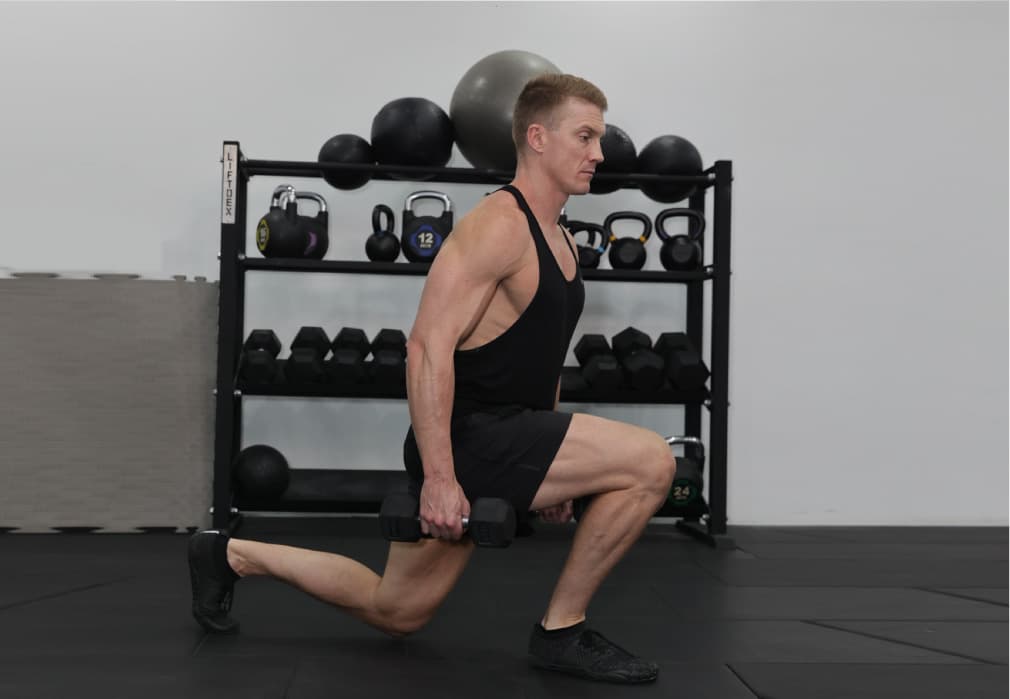
How to Perform Alternating Lunges? A Comprehensive Guide
Lunges are one of the best exercises for building lower body strength, improving balance, and enhancing overall athletic performance. Among the many variations, alternating lunges are a dynamic and versatile movement that targets multiple muscle groups. Whether you're a beginner or an experienced athlete, mastering alternating lunges can elevate your fitness routine.

MyFitnessCoach
July 29, 2026
Does Sweating Burn Calories? The Real Answer (2026)
Sweating burns a negligible number of calories on its own. It is a cooling process, not a fat-burning one. The calories come from the muscle work that raised your temperature in the first place.
MyFitnessCoach
June 2, 2025
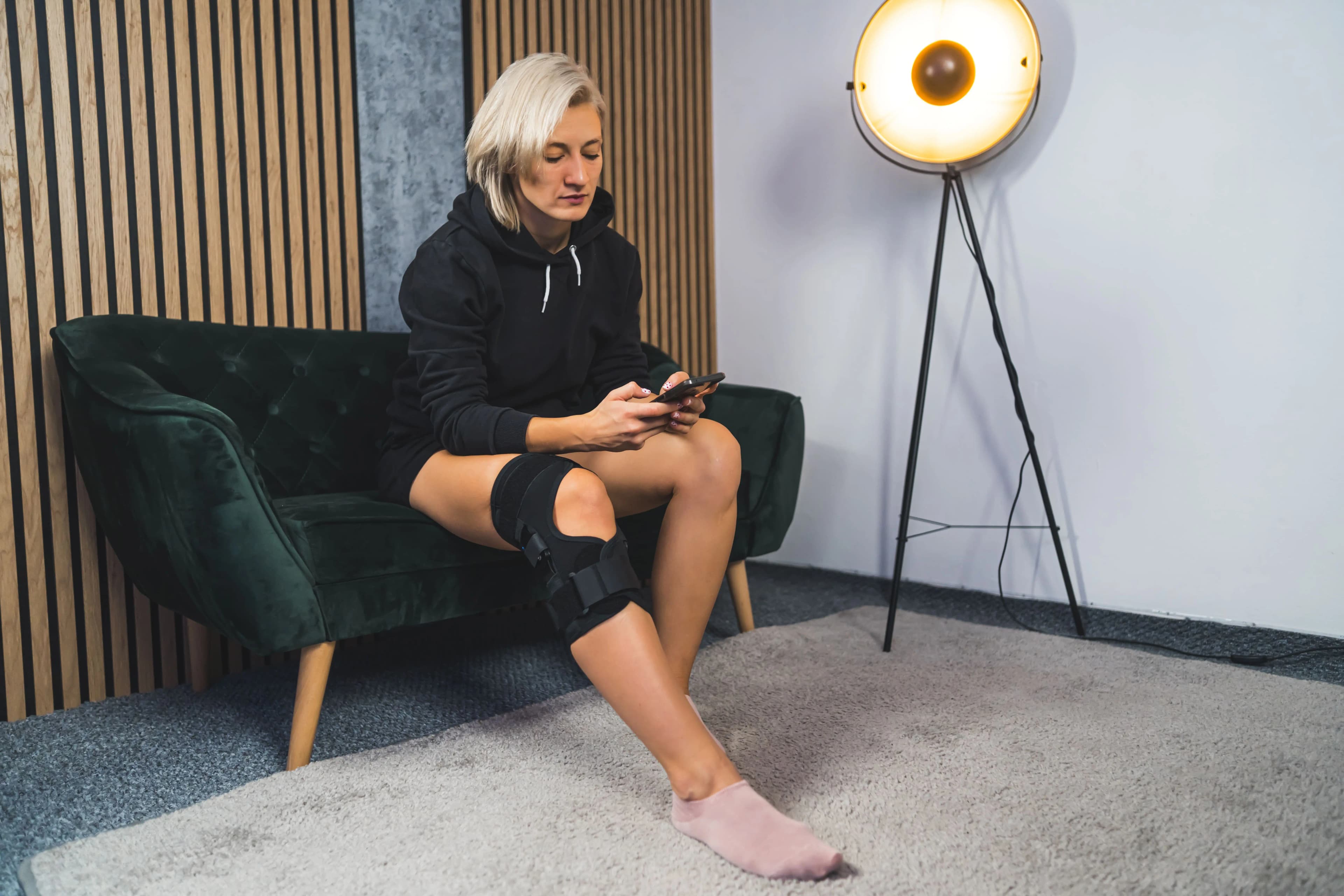
Benefits of Knee Warmers for Pain Relief: Which One to Choose
If you've ever felt knee pain while working out, walking, or biking, you’re not alone. Many people experience discomfort around their knees, especially in colder weather. That’s where knee warmers come in. These simple but powerful accessories can help protect your joints, keep your muscles warm, and support you during physical activity.