
Does Sweating Burn Calories? The Real Answer (2026)

MyFitnessCoach
July 29, 2026
Sweating burns a negligible number of calories on its own. It is a cooling process, not a fat-burning one. The calories come from the muscle work that raised your temperature in the first place.
You step off the spin bike, shirt soaked through, and the scale says you're down two pounds. Feels like proof, right?It isn't. That number will be back by dinner.
So does sweating burn calories? Almost none. Sweating is the release of water and salt from your sweat glands onto the skin, where it evaporates and pulls heat away from your body. It's a cooling system, not a fat-burning one. Across four years of producing fitness content for the MyFitnessCoach team, no myth has cost our readers more frustration than this one. People chase the drip instead of the effort, then wonder why the scale won't move in month three.
Here's what you'll get in the next few minutes: the actual number of calories sweating burns, why the physics gets misread by half the internet, what your post-workout weigh-in is really showing you, and how to measure a hard workout without using your shirt as a gauge.

Table of Contents
Subscribe to our newslettter
Does Sweating Burn Calories? The Short Answer
Does sweating burn calories? Yes, but the amount is too small to matter. Your sweat glands use a tiny bit of energy to push fluid to the skin. The real calorie burn comes from the muscle work that made you hot in the first place. Sweat is the exhaust, not the engine.
The distinction most articles miss: Evaporating one litre of sweat removes roughly 580 kcal of heat from the body. That heat was already produced by your muscles. Sweating throws it away so you don't overheat. Removing heat is not the same as creating a calorie deficit.
Think of a car radiator. It dumps a lot of heat. It doesn't burn any fuel doing it.
That single distinction explains why one clinic can honestly say "sweating burns calories" and a physiologist can honestly say it doesn't. They're measuring two different things.
How Many Calories Does Sweating Burn?
How many calories does sweating burn on its own? Under a handful per hour. The energy cost of moving fluid through your sweat glands is so small that exercise physiologists don't measure it separately. What changes your daily burn is the activity, the intensity, and how long you keep going.
The Bikram yoga claim is the clearest example. You'll see "1,000 calories an hour" on studio websites all over the US. Brian Tracy and his team at Colorado State University actually measured it rather than predicting it. In a 90-minute class, women burned about 330 calories and men about 460.
Tracy's explanation for the gap matters. Heat pushes your heart rate up, and heart-rate prediction equations then report a calorie figure that was never there. Elevated heart rate in a hot room reflects cooling work, not extra fuel burned.
That result is roughly a brisk 3.5 mph walk for the same time. Same burn, a fraction of the sweat.
Now compare a few sessions side by side. These are rough figures for a 155-pound adult over 30 minutes:
| Activity | Sweat level | Approx. calories (30 min) |
| Sitting in a sauna | Extreme | 25–50 |
| Hot yoga | Extreme | 110–155 |
| Brisk walking (3.5 mph) | Low | 130–150 |
| Heavy strength training | Low to moderate | 110–180 |
| Lap swimming, moderate | Almost none visible | 200–255 |
| Vigorous cycling | High | 240–290 |
Look at the top and bottom rows. The sauna soaks you and burns almost nothing. Swimming barely shows sweat at all and nearly doubles a hot yoga session.
Sweat tells you how hot you are. It does not tell you how hard you worked.
Why You Sweat More Than the Person Next to You
Sweat rate varies enormously between people. Genetics, body size, fitness level, age, sex, humidity, caffeine and alcohol all shift it. Two people can burn identical calories in the same class and finish with completely different shirts. Research Associate Professor Jason Lee of the NUS Yong Loo Lin School of Medicine{target="_blank"} puts the typical range at roughly 200 ml to over a litre per session.
Fitness works in a direction that surprises people. The fitter you get, the sooner you sweat.
Lee's phrasing is blunt: the fitter you are, the easier you'll sweat. A trained body starts cooling early so it can keep working longer. Early sweat is a sign of a well-tuned thermostat, not a weak one.
Body size pushes the same way for a different reason. More mass means more heat produced and more surface to cool, so a heavier person usually sweats more at the same pace.
Why do men sweat more than women?
Men typically sweat more than women at the same workload. Lee's team describes men as wasteful sweaters, producing more fluid than cooling actually requires. Women tend to sweat closer to what the job needs.
Does humidity change how much I sweat?
Yes, and a lot. Sweat only cools you when it evaporates. On a humid day in Houston or Miami, evaporation slows down, so your body keeps producing more fluid that just drips off. You end up wetter and hotter at the same time.
Quick check: if you're logging workouts already, note your sweat level next to your intensity for two weeks. Most people find zero correlation. That's the point.
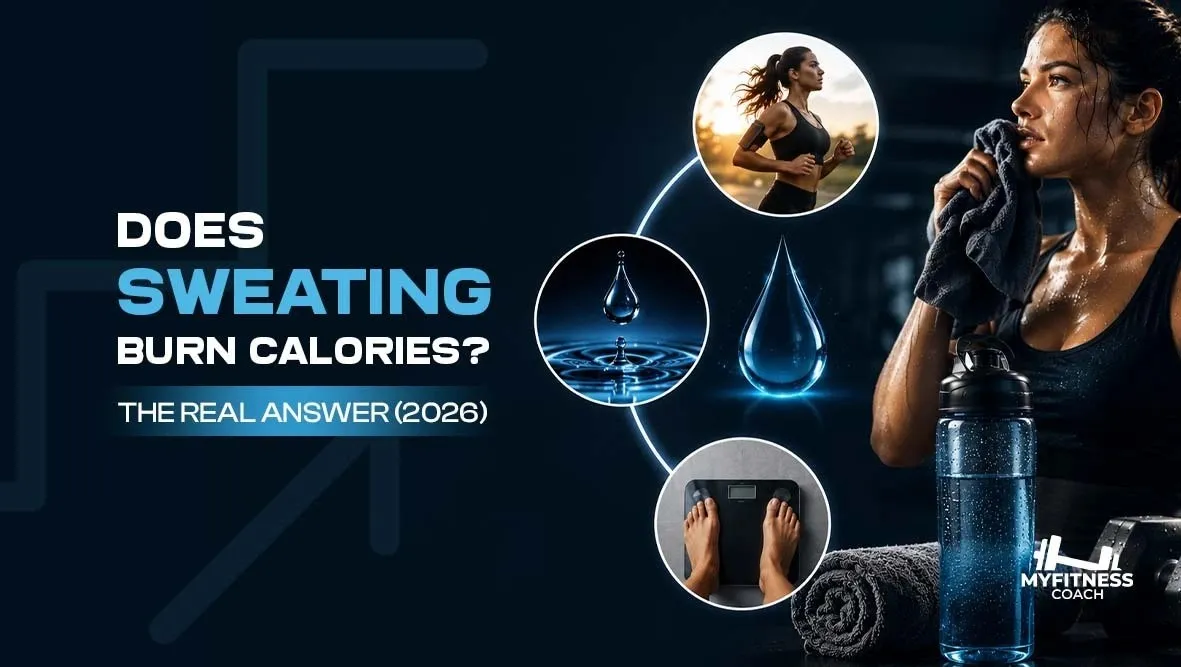
Sweat Weight vs Fat Loss: What the Scale Is Telling You
Post-workout weight loss is water, not fat. Sweat is about 99% water, so every pound the scale drops after a hard session is fluid you'll replace within hours. Fat loss needs roughly a 3,500-calorie deficit per pound, built over days and weeks. No single workout removes a pound of fat.
Run the math and it gets obvious. One pound of sweat is about a pint of fluid.
To sweat off a pound of fat, you'd need to burn 3,500 calories in one go. That's roughly five hours of hard cycling, not one hot yoga class.
The rehydration rule of thumb is simple: drink a pint of water for every pound you lose during a workout. Don't wait until you're thirsty.
The pattern shows up clearly if you weigh yourself twice. Morning weight, taken under the same conditions each day, barely moves week to week. Post-workout weight can drop 1 to 3 pounds after a single hot session and return by the next morning. The morning trend line is the one tied to fat loss. The post-workout number is a hydration reading.
Some people argue that water weight still counts, and for wrestlers or jockeys making a weigh-in, it genuinely does. That's a short-term competitive tool with real risks, not a body composition strategy. Research on rapid sauna-induced weight cutting has linked it to reduced explosive power in athletes. You lose performance before you lose anything worth losing.
Do Sauna Suits, Hot Yoga and Waist Trainers Work?
Sauna suits, waist trainers and hot yoga all increase sweat, and none of them increase fat loss beyond what the underlying activity delivers. They trap heat, which raises fluid loss and lowers the scale temporarily. The fat burn stays tied to the work your muscles do, not the temperature they do it in.
| Tool | What it actually does | Fat loss effect | Main risk |
| Sauna suit | Blocks evaporation, traps heat | None beyond the exercise itself | Heat illness, dehydration |
| Waist trainer | Compresses and heats the midsection | None; no spot reduction | Restricted breathing, skin irritation |
| Hot yoga | Adds heat stress to a moderate workout | Same as the yoga alone | Dizziness, overheating |
| Sauna after training | Aids recovery and relaxation | Negligible | Fainting, blood pressure drops |
Saunas aren't useless, to be clear. Regular sauna use has decent evidence behind it for recovery, sleep and cardiovascular health. Just don't file it under fat loss.
No garment has ever moved fat. Garments move water.
The typical sauna-suit experience follows a predictable arc: the scale drops fast during a summer training block, then rebounds every evening after normal eating and drinking. Waist measurements only start moving when training volume or intake actually changes.
What Actually Burns Calories
Calorie burn comes from four sources: your resting metabolism, the food you digest, planned exercise, and everyday movement. Resting metabolism is the biggest slice for most people, usually 60 to 70 percent of daily burn. Sweat appears in none of these categories as a driver.
Everyday movement is the underrated one. Walking to the mailbox, taking stairs, fidgeting, standing while you take calls. It's called NEAT, and between two people of the same weight it can differ by hundreds of calories a day.
Strength training earns its place too. Muscle costs energy to maintain, so building it nudges your resting burn upward over months. You'll barely sweat during a heavy set of renegade rows or a combo exercise circuit. Both still count. The same is true of most cable back exercises low sweat, real work.
And it gets better: the calories you don't eat are the easiest deficit to create. A 400-calorie difference at dinner is quicker to arrange than 45 minutes on a treadmill. Most people who start logging meals find a gap they never knew about, usually hidden in cooking oil, drinks and late-night snacking. If you want a structured version of that, the 12-week shred plan for females walks through how the deficit gets built.
When Heavy Sweating Is a Warning Sign
Heavy sweating becomes a problem when fluid loss outruns replacement or when it appears without a clear cause. Under exercise in hot conditions, sweat rates can reach 3 to 4 litres an hour. That's fast enough to cause real dehydration inside a single session, especially during a US summer heatwave.
Stop and get help if you notice these during or after training:
- Confusion or extreme exhaustion
- Dizziness on standing that doesn't clear in a few seconds
- No urination for eight hours
- A weak or racing pulse
- Chest pain or shortness of breath
Excessive sweating that disrupts daily life may be hyperhidrosis, a treatable medical condition. Night sweats with no obvious cause deserve a doctor's visit as well.
Check the heat index before outdoor sessions, not just the temperature. In humid US cities, a 90°F day can feel like 105°F and shut down evaporation entirely.
Medical disclaimer: This article is general information and is not medical advice. It does not diagnose, treat or replace consultation with a licensed physician. Talk to a qualified healthcare provider about your own symptoms.
How to Tell If Your Workout Is Hard Enough
Use intensity markers instead of sweat. The talk test, rate of perceived exertion, heart rate zones and session-over-session progress all measure effort directly. The American College of Sports Medicine recommends a minimum of 30 minutes of moderate-intensity aerobic activity five days a week, defined as enough effort to break a sweat while still holding a conversation.
Four checks that beat a wet shirt:
- Talk test. Moderate means short sentences. Vigorous means a few words at a time.
- RPE. Rate the effort 1 to 10. Aim for 6 or 7 on most working sets.
- Heart rate. Moderate sits near 64 to 76 percent of max, vigorous near 77 to 93 percent.
- Progress. More reps, more weight, faster splits. Numbers don't lie about effort.
The advantage of these four is stability. Sweat swings day to day with weather, caffeine, clothing and how well the AC is working, so it makes a terrible feedback loop. A heart rate zone doesn't move because the gym got humid.
So the next time you wonder whether sweating burns calories, check the intensity numbers instead. Your shirt has never been the right place to look.
Final Thoughts
Sweat is your thermostat doing its job, and that's worth respecting. Judge your workouts by intensity and consistency instead, and the fat loss follows.
Start tracking what actually counts. Download MyFitnessCoach to log meals, monitor heart rate and HRV, and watch your real progress instead of your shirt.
Frequently Asked Questions
Similar Articles
Stay informed with these similar articles.
MyFitnessCoach
June 2, 2025
6 Best Peanut Oil Substitute: Healthy & Easy Alternatives
Need a peanut oil substitute for your meals? Whether you're cooking, baking, or trying something new, there are plenty of healthy, easy-to-find oils you can use instead. Explore healthy, easy, and allergy-friendly options for cooking, frying, and baking, plus get expert support from MyFitnessCoach, your all-in-one fitness app.
MyFitnessCoach
July 31, 2026
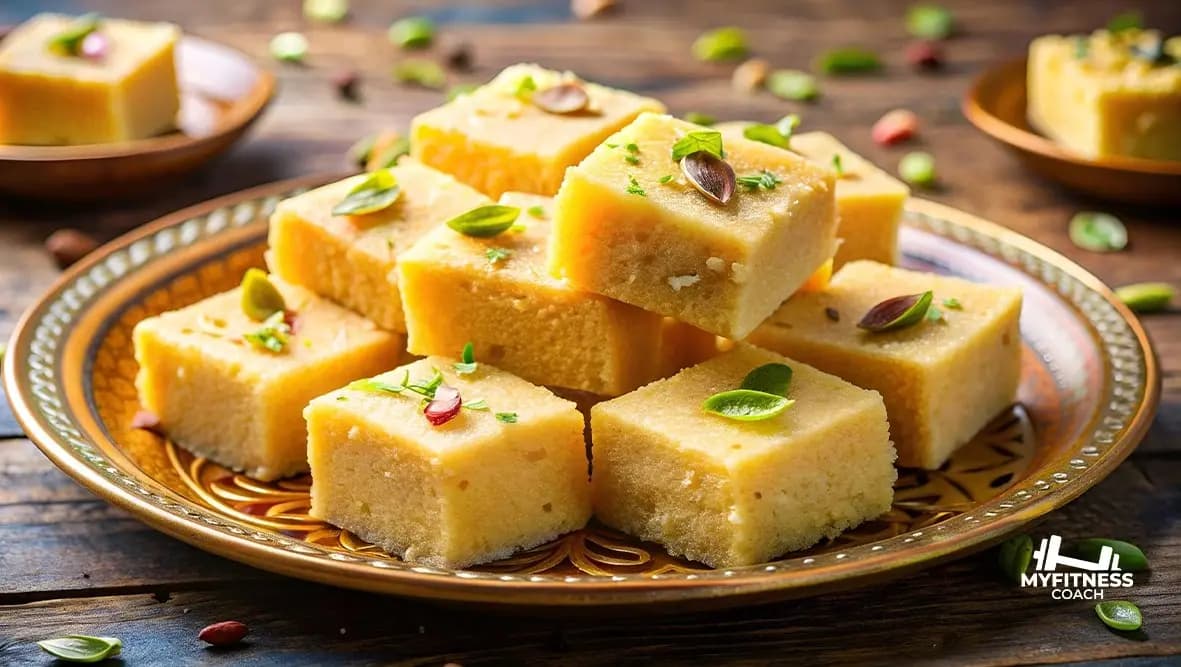
Calories in Mysore Pak: 130 or 520? Here's the Real Answer
You pick up one small golden square at a Diwali table and finish it in four bites. Then you spend ten minutes wondering what you just did to your day. That guessing game is what this article ends.
MyFitnessCoach
August 4, 2026
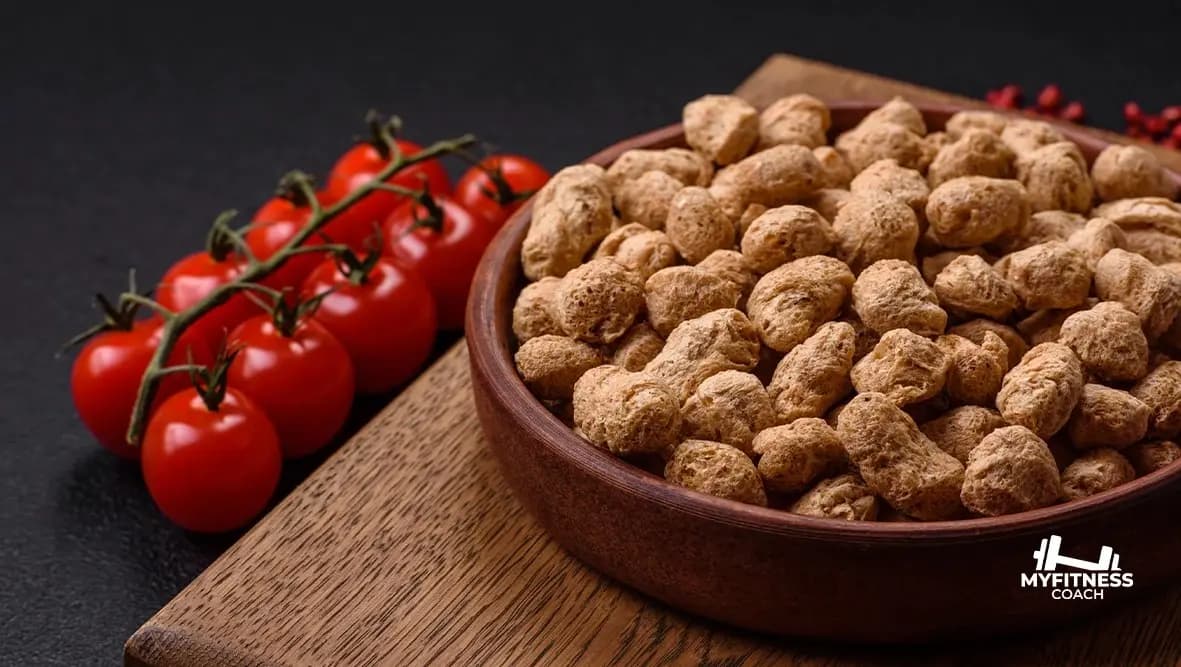
50 gm Soya Chunks Protein: Why Every Website Gets It Wrong
50 grams of dry soya chunks provides 23–27 grams of complete protein and 165–175 calories. The spread is real, not sloppy reporting it comes from where the soy flour was processed. Rehydrated, that same 50 grams becomes roughly 150 grams and the protein does not change.