
Overnight Oats Protein: 4 Bowls With 22 to 43 g Protein
MyFitnessCoach
November 12, 2026
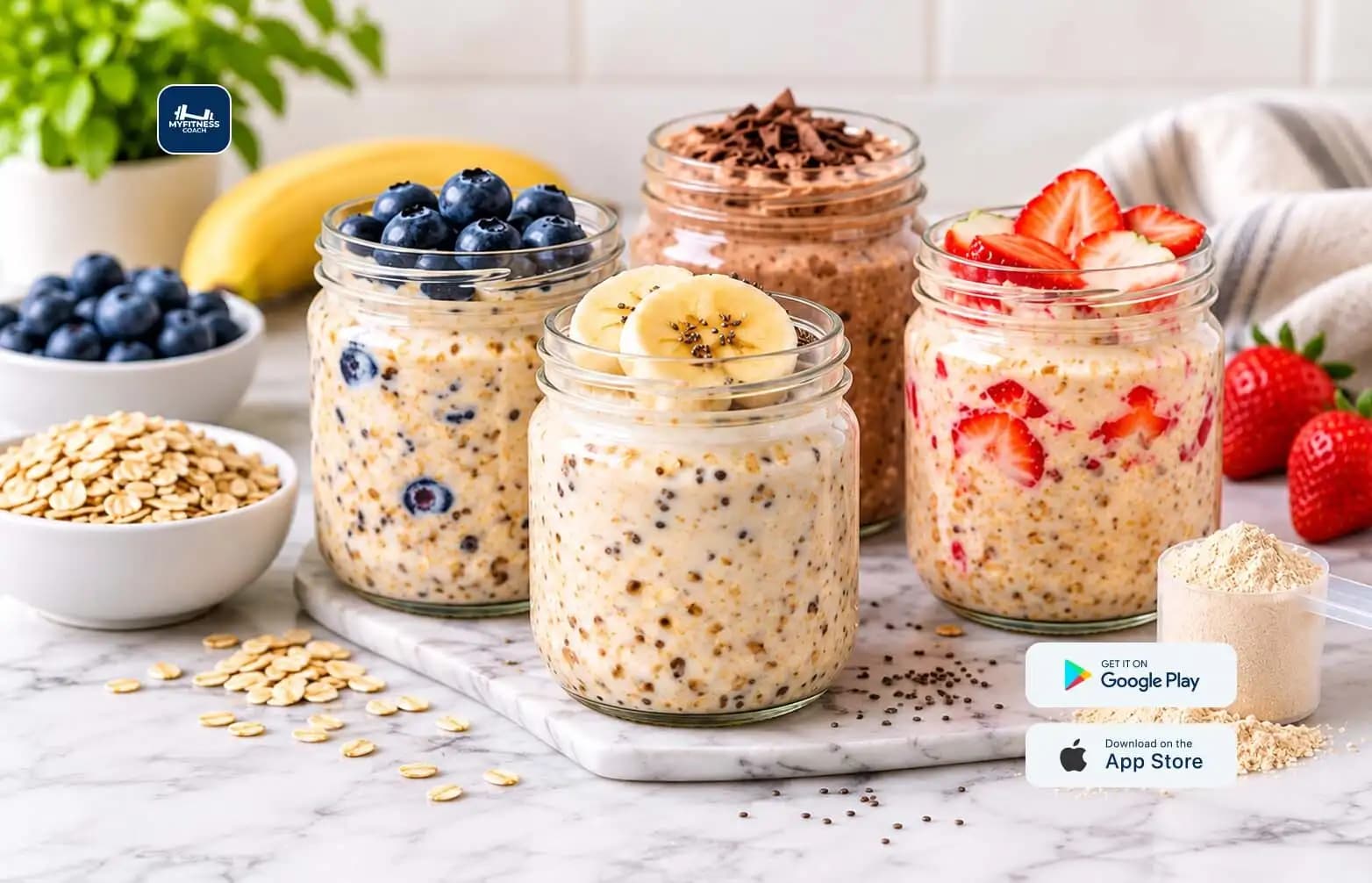
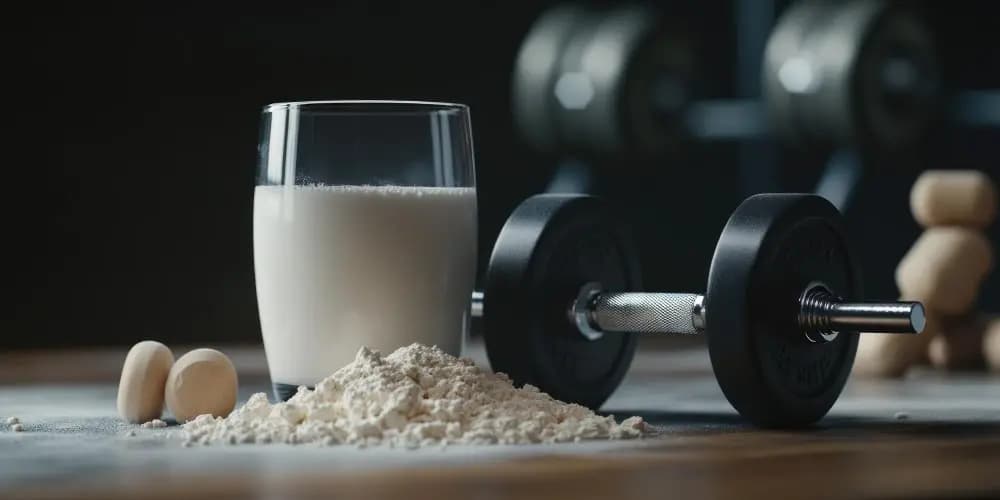
Plain overnight oats have only about 5 g of protein per ½ cup of oats. To make them high in protein, add Greek yogurt, protein powder or both. A jar with a 24 g scoop of powder lands near 33 g, and one with a cup of Greek yogurt near 32 g. Your brands will change the numbers.
Key takeaways
- Oats give about 5 g. The rest comes from yogurt, powder and milk.
- Published recipes claim 16 to 37 g because scoops differ. Use your own label.
- Thick jar? Add a splash of liquid in the morning.
4 Bowls, From 22 to 43 g
| Bowl | Yogurt | Scoop* | Milk | Protein | Calories |
| Light | 120 g | None | 125 ml | ~22 g | ~300 |
| 30 g, no powder | 245 g | None | 60 ml | ~32 g | ~335 |
| 30 g, with powder | None | 1 | 125 ml | ~33 g | ~350 |
| 40 g or more | 120 g | 1 | 60 ml | ~43 g | ~380 |
Every bowl uses ½ cup of rolled oats. *Example scoop: 24 g protein and 120 calories. Yogurt is plain nonfat Greek (245 g is about 1 cup). Oats are rolled, about 40 g dry. Milk is whole. Toppings aren't counted. Numbers come from USDA values.
How to make a jar:
- Whisk the protein powder into the milk first, as Eating Bird Food suggests.
- Stir in the oats and yogurt.
- Chill for 4 to 6 hours or overnight.
- Stir in the morning. Add a splash of milk or water if it's thick.
Why Do Recipes Claim 16 to 37 g?
| Recipe | Claimed protein |
| Iowa Girl Eats | 16 g |
| Eating Bird Food | 20+ g |
| Dr. Stacy Sims | 28 g |
| Bake & Bacon | 35–37 g |
Powders differ. SetForSet says most scoops hold 20 to 30 g, and Bake & Bacon notes that scoop size changes the total. So a recipe's number only fits your jar if you use the same powder.
.webp)
How Much Protein Is in My Overnight Oats?
Add up each ingredient.
| Ingredient | Protein |
| ½ cup oats (40 g) | 5.3 g |
| 100 g plain nonfat Greek yogurt | 10.2 g |
| 125 ml whole milk | 4 g |
| 1 scoop powder | See label |
For example, ½ cup oats, 1 scoop of a 24 g powder and 125 ml milk gives about 33 g. Chia, nut butter and fruit add a little more.
Fix the Texture
Protein powder, oats and chia soak up liquid, so the jar can turn thick overnight. Whisk the powder into the milk first and add a splash of liquid before eating (Dr. Stacy Sims suggests the same). SetForSet says casein can dry the oats, so whey or a blend may suit you better. See casein vs whey.
How Long Do They Keep?
The Oregon Dietitian says to make them up to 3 days ahead. With milk or yogurt, 3 days is the cautious choice.
Count Your Own Jar: Scan As You Mix
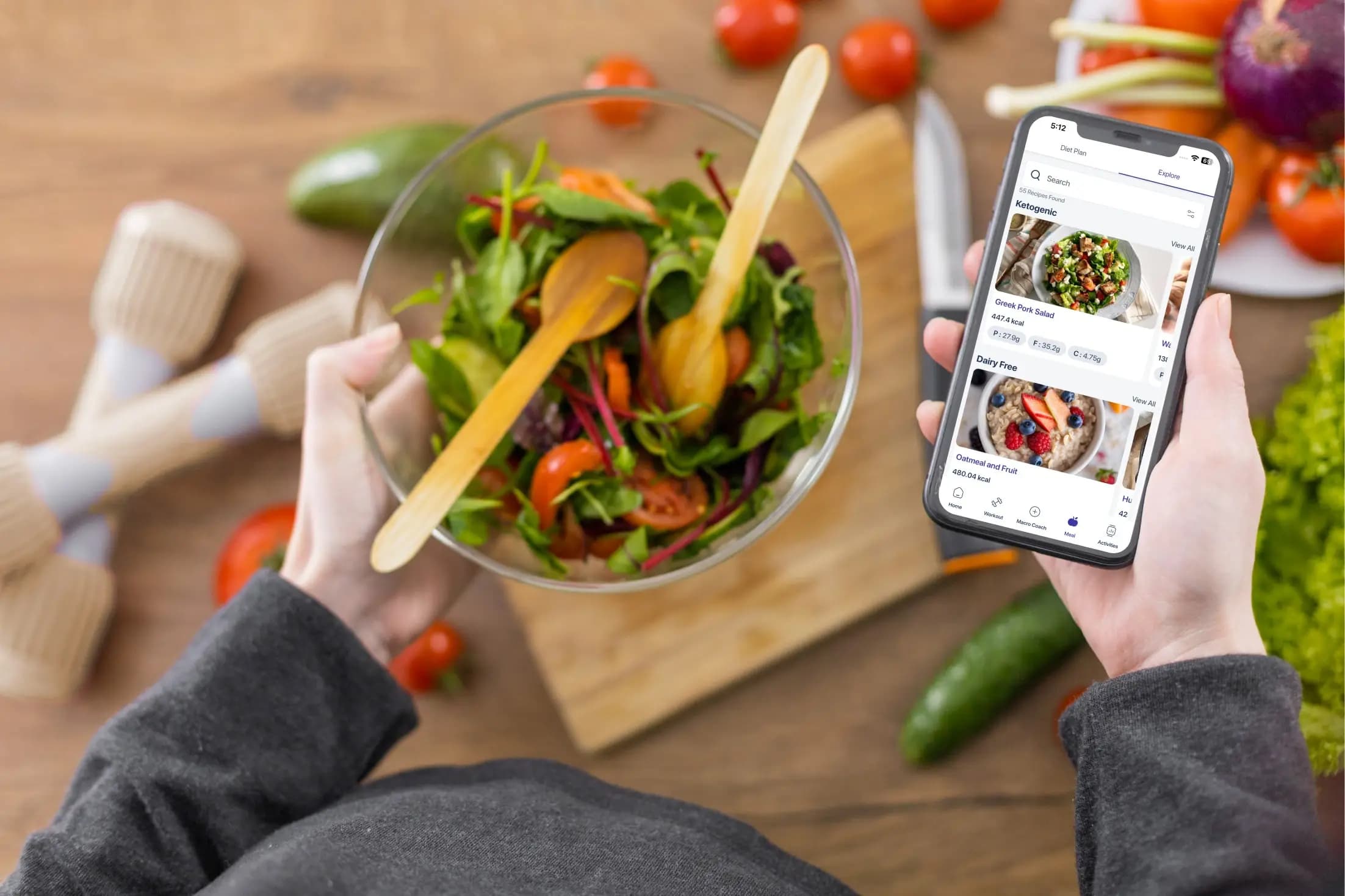
In MyFitnessCoach, you can:
- Scan the barcode on your oats, yogurt, milk and protein powder, and check the nutrition details.
- Pick your serving size for each one. For fresh items, search the food database.
- Log them to one meal. The app calculates the meal's total calories.
- Save it as a homemade favorite, with calories and macros by serving.
Learn more in our barcode scanner guide and calorie counter app guide.
The Bottom Line
Start with ½ cup of oats, add yogurt or powder and check your own label. A jar gets thick overnight, so add liquid in the morning.
Scan your ingredients and save your favorite jar in MyFitnessCoach.
This article is for general information and isn't medical advice. Nutrition values are estimates and vary by brand. If you have a dairy allergy or a medical condition, talk to a doctor or dietitian.
Frequently Asked Questions
Similar Articles
Stay informed with these similar articles.
MyFitnessCoach
June 30, 2025
Casein Protein vs Whey Protein: Which One Is Better for You?
If you're trying to build muscle, lose weight, or just stay healthy, you’ve probably heard of casein protein and whey protein. But which one is better for your fitness goals? And what exactly is the difference between the two?
MyFitnessCoach
August 15, 2025
Barcode Scanner to Log Foods for Effortless Nutrition Tracking
Why Food Logging Matters More Than Ever In today’s fast-paced world, maintaining a healthy diet can be a real challenge. Between work, social life, and daily responsibilities, tracking every calorie and nutrient often feels overwhelming. That’s where modern technology steps in, particularly the barcode scanner to log foods.

MyFitnessCoach
September 18, 2025
Calorie Counter App: The Key to Smarter Eating and Better Results
Staying fit is no longer just about hitting the gym every day. Nutrition plays a huge role in shaping your health, energy, and long-term results. While most people know the importance of balancing calories, few actually track what they eat consistently. This is where a calorie counter app can completely change the game. It gives you a simple, reliable way to stay in control of your eating habits while making sure your body gets exactly what it needs.