
7-Days High Protein Meal Plan to Build Muscle and Burn Fat
MyFitnessCoach
August 22, 2025
When it comes to fitness and nutrition, one of the most powerful tools you can use is a high-protein meal plan. Whether your goal is building lean muscle, losing fat, or simply staying healthy, protein plays a key role. Unlike crash diets or complicated trends, protein-based meal planning is sustainable, effective, and backed by science.
In this article, you’ll learn why protein is essential, how to create a high-protein meal plan, sample meal ideas, and how using a smart fitness app like MyFitnessCoach can make tracking your meals and progress much easier.
Why Protein Matters
Protein is more than just a nutrient; it’s the building block of life. Here’s why you should prioritise it in your diet:
- Muscle growth and repair – Protein helps repair muscle fibres after workouts, making it crucial for strength training and recovery. Knowing whether to eat before or after your workout can help you time your protein intake for maximum results.
- Weight management – High-protein meals keep you fuller for longer, reducing unnecessary snacking.
- Metabolism boost – Digesting protein burns more calories compared to carbs or fats.
- Overall health – Protein supports hormones, enzymes, and immune function.
For anyone serious about fitness or body transformation, a high-protein meal plan is non-negotiable.
How Much Protein Do You Need?
The right amount of protein depends on your goals:
- General health: 0.8g per kg of body weight
- Muscle building: 1.6–2.2g per kg of body weight
- Fat loss: 1.2–1.8g per kg of body weight
For example, if you weigh 70kg and want to build muscle, aim for 112–154g of protein daily. But how you split that matters too learn the max amount of protein your body can use per meal to get the most out of every serving.
Instead of guessing, you can use MyFitnessCoach’s Food Logger to track protein intake accurately while also balancing carbs and fats.
Best High-Protein Foods to Include
A high-protein meal plan works best when you include a variety of foods:
Animal-Based Sources
- Chicken breast
- Lean beef
- Turkey
- Eggs and egg whites
- Salmon and tuna
- Greek yogurt
- Cottage cheese
- Pork rinds
Plant-Based Sources
- Lentils
- Chickpeas
- Tofu
- Tempeh
- Quinoa
- Edamame
- Black beans
By mixing both animal and plant-based protein sources, you get a wider range of nutrients while keeping your meals exciting. Going fully plant-based? Learn how to set your vegan macros for weight loss to stay on track without animal protein.
High-Protein Meal Plan: Sample 7-Day Guide
Here’s a simple 7-day high-protein meal plan you can follow or adapt:
Day 1
- Breakfast: Scrambled eggs with spinach + whole grain toast (30g protein)
- Snack: Greek yoghurt with almonds (18g protein)
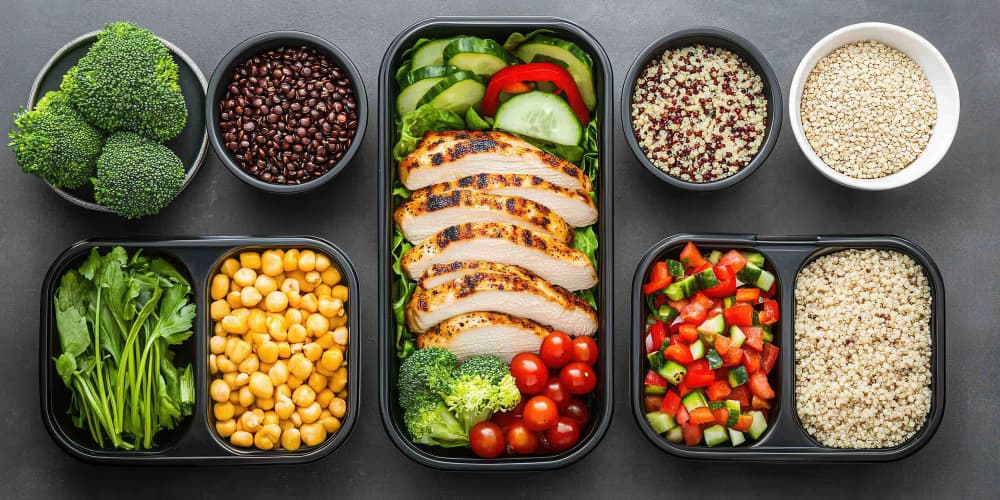
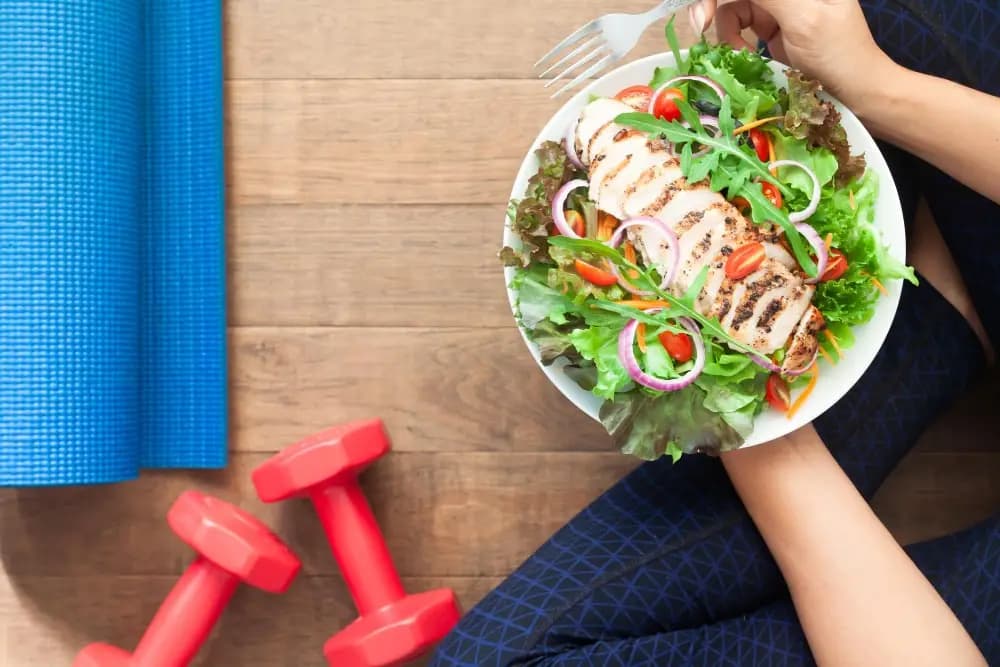
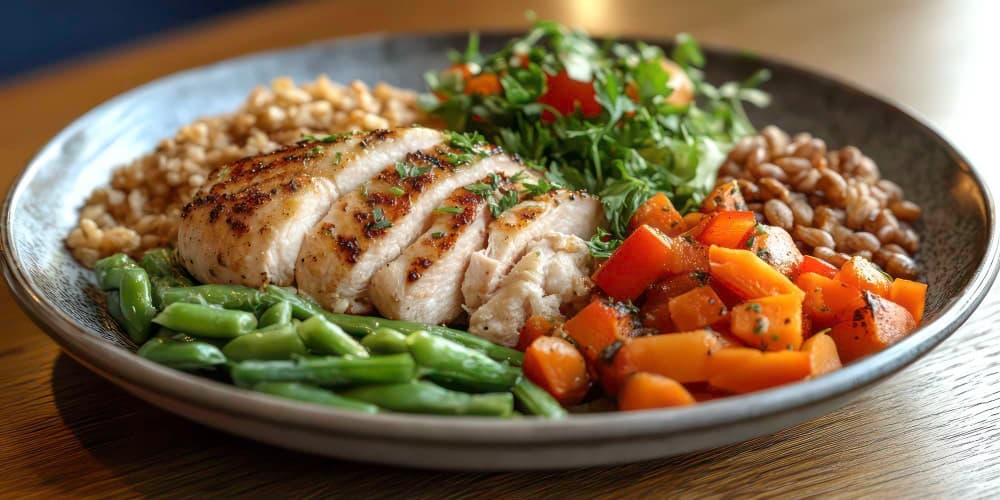
- Lunch: Grilled chicken breast with quinoa and broccoli (40g protein)
- Snack: Protein shake with banana (25g protein)
- Dinner: Salmon with sweet potato and asparagus (45g protein)
Day 2
- Breakfast: Protein oatmeal with chia seeds (28g protein)
- Snack: Boiled eggs with avocado (15g protein)
- Lunch: Turkey breast wrap with veggies (38g protein)
- Snack: Edamame with hummus (20g protein)
- Dinner: Lean beef stir fry with rice (44g protein)
Day 3
- Breakfast: Cottage cheese with berries (25g protein)
- Snack: Whey protein smoothie (25g protein)
- Lunch: Tuna salad with chickpeas (40g protein)
- Snack: Roasted pumpkin seeds (15g protein)
- Dinner: Grilled chicken with roasted vegetables (42g protein)
Day 4
- Breakfast: Veggie omelette with feta (32g protein)
- Snack: Protein bar (20g protein)
- Lunch: Quinoa bowl with tofu and beans (36g protein)
- Snack: Skyr yoghurt (18g protein)
- Dinner: Baked cod with spinach and rice (42g protein)
Day 5
- Breakfast: Overnight oats with sweetened vanilla almond milk and protein powder (28g protein)
- Snack: Boiled eggs (12g protein)
- Lunch: Turkey meatballs with lentils (40g protein)
- Snack: Cottage cheese with flaxseeds (20g protein)
- Dinner: Grilled shrimp with couscous (45g protein)
Day 6
- Breakfast: Protein pancakes with peanut butter (30g protein)
- Snack: Roasted chickpeas (18g protein)
- Lunch: Chicken stir fry with veggies (42g protein)
- Snack: Whey protein smoothie (25g protein)
- Dinner: Salmon with quinoa and asparagus (46g protein)
Day 7
- Breakfast: Egg white omelette with mushrooms (28g protein)
- Snack: Greek yoghurt with walnuts (20g protein)
- Lunch: Tuna steak with brown rice (40g protein)
- Snack: Almond butter with apple slices (15g protein)
- Dinner: Beef chilli with beans (48g protein)
This plan provides 140–160g of protein per day, perfect for muscle building and fat loss.
Tips for Sticking to a High-Protein Meal Plan
- Meal prep in advance – Cook chicken, eggs, or lentils in bulk to save time.
- Track with technology – Apps like MyFitnessCoach make tracking calories and macros effortless.
- Mix protein sources – Combine animal and plant protein for variety.
- Stay hydrated – High-protein diets require more water for digestion.
- Balance your macros – Don’t neglect carbs and healthy fats; balance is key.
How MyFitnessCoach Makes It Easier
Instead of stressing over spreadsheets or calorie math, MyFitnessCoach offers:
- Food Logger & Macro Tracking – Log meals quickly and check if you’re hitting protein goals.
- Custom Diet Plans – Get tailored meal plans based on your fitness goals. Learn why meal plans should be personalized for lasting results.
- Barcode Scanner – Track packaged foods instantly.
- Recipe Ideas – Access healthy, protein-rich recipes directly in the app.
It’s like having a personal nutritionist in your pocket.
Conclusion
A high-protein meal plan is one of the smartest ways to achieve your fitness goals, whether you’re building muscle, losing fat, or simply staying healthy. By combining protein-rich foods, planning, and tracking consistently, you’ll see results faster.
To make your journey easier, download MyFitnessCoach today. With personalised diet plans, food logging, and progress tracking, you’ll never have to guess about your nutrition again. If you're looking for simple ways to increase your intake, explore our Get Your Daily Servings of Fruits and Vegetables guide.
Similar Articles
Stay informed with these similar articles.
MyFitnessCoach
May 13, 2025
Should You Eat Before or After Workout?
If you’ve ever asked yourself, should you eat before or after a workout? You’re not alone. This is a very common question in the fitness world, especially if you're trying to lose weight, build muscle, or just feel your best during exercise. The answer depends on your body, your goals, and your daily routine.
MyFitnessCoach
July 9, 2025
Max Amount of Protein Per Meal: How Much Is Too Much or Just Right?
Ever wondered how much protein your body really needs in one meal? Whether you’re building muscle, losing weight, or just trying to stay healthy, knowing the max amount of protein per meal can help you make smarter food choices.

MyFitnessCoach
June 11, 2025
Nutritional Value of Pork Rinds: Health Benefits & Recipe?
Pork rinds might sound like an unusual snack, but they are loved by many for their crunch and salty flavor. You may have seen them in snack aisles or heard about them from people following low-carb diets. But are they healthy? And what is the nutritional value of pork rinds?