
Why Do I Have Butt Wink When Squatting?
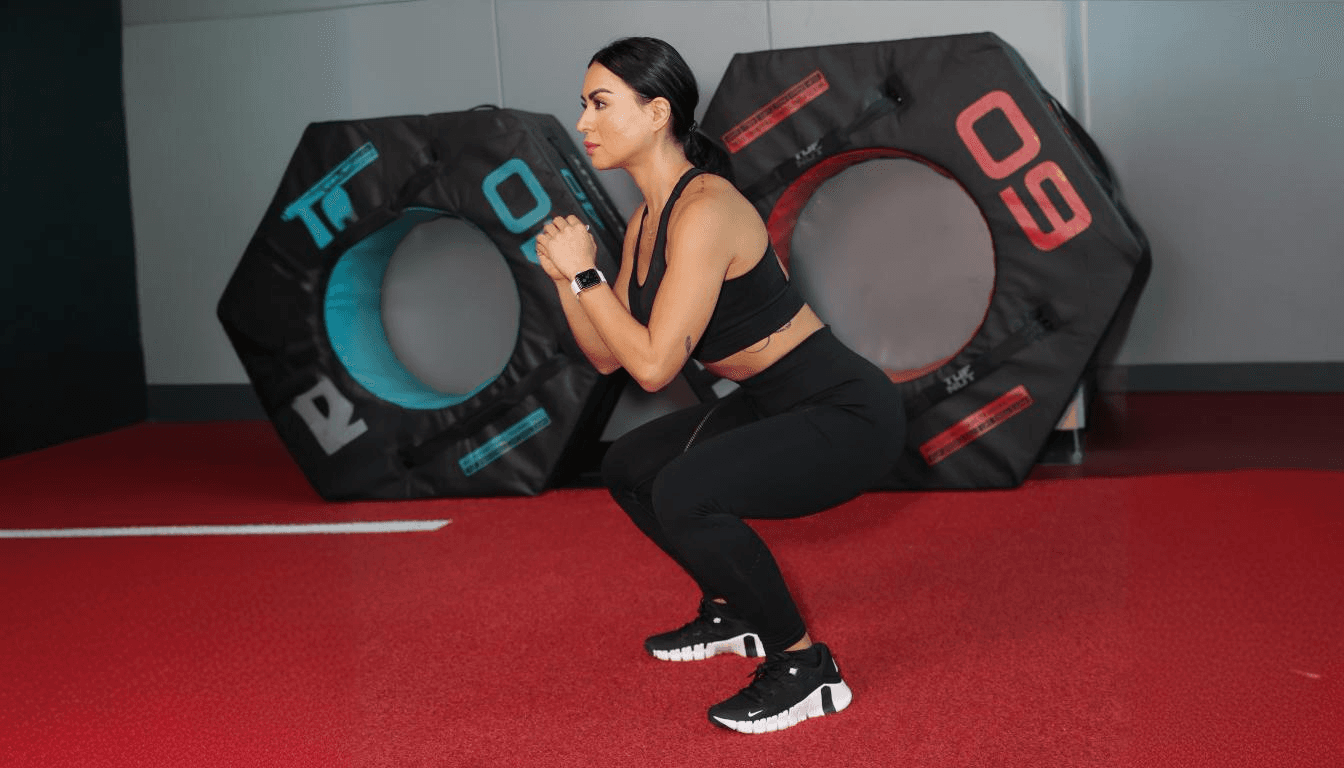
MyFitnessCoach
January 23, 2025
If you’ve been working on your squats and noticed your lower back tucking under as you descend, you might be dealing with a common issue called “butt wink.” This movement pattern can affect your squat performance, increase injury risk, and limit your gains. But what exactly causes butt wink, and how can you fix it? Let’s break it down in simple, easy-to-read terms.

Table of Contents
Subscribe to our newslettter
What Is Butt Wink?
Butt wink refers to the rounding of the lower back at the bottom of a squat. Ideally, your spine should maintain a neutral position throughout the movement. However, when the pelvis tucks under at the lowest point of the squat, it compromises the natural alignment of your spine. This rounding can put excessive pressure on the lumbar region, potentially leading to discomfort or injury over time.
Understanding why butt wink happens is key to fixing it and performing safer, more effective squats.
Common Causes of Butt Wink
There are several reasons why you might experience butt wink during squats. Let’s explore the most common causes:
1. Lack of Hip Mobility
Poor hip flexibility is one of the leading causes of butt wink. If your hip joints lack the necessary range of motion to reach a deep squat, your body compensates by rounding the lower back. Stretching and mobility exercises targeting the hip flexors, glutes, and hamstrings can improve your squat depth without compromising your spine.
2. Tight Hamstrings
Tight hamstrings pull on the pelvis, causing it to tilt posteriorly (backward) as you descend into the squat. This tilt leads to a butt wink. Incorporating hamstring stretches, such as standing forward folds or hamstring-focused yoga poses, can help loosen up these muscles and prevent the tuck.
3. Poor Ankle Mobility
Ankle mobility plays a crucial role in squat depth. Limited dorsiflexion (the ability to flex your ankle upward) can prevent you from achieving proper squat form, forcing compensations that lead to butt wink. Exercises like ankle dorsiflexion drills and calf stretches can enhance your ankle mobility.
4. Weak Core Muscles
A weak core affects your ability to stabilize your pelvis and lower back during squats. Strengthening your core muscles, particularly the deep stabilizers, can help you maintain a neutral spine throughout the movement.
5. Incorrect Squat Depth
Sometimes, butt wink occurs when people squat deeper than their body allows. Everyone has a different range of motion, and trying to push beyond your limits can cause your pelvis to tilt. Learning to recognize your optimal squat depth can minimize the risk.
How to Fix Butt Wink
Now that you know the causes of butt wink, let’s look at some practical steps to correct it.
1. Improve Hip Mobility
Incorporate dynamic and static stretches into your routine to improve hip flexibility. Try exercises like:
- Hip flexor stretches
- 90/90 hip mobility drills
- Butterfly stretches
2. Stretch and Strengthen the Hamstrings
Loosen up tight hamstrings with regular stretching and strengthen them through exercises like Romanian deadlifts and hamstring curls. Balancing flexibility and strength can help prevent pelvic tilting.
3. Work on Ankle Mobility
Enhance your ankle flexibility with drills like:
- Calf stretches against a wall
- Ankle dorsiflexion stretches using a resistance band
- Deep squat holds with heel elevation
4. Strengthen Your Core
Core stability is critical for maintaining a neutral spine. Include core exercises such as:
- Planks and side planks
- Dead bugs
- Bird dogs
These movements target deep core muscles that help stabilize your lower back and pelvis.
5. Adjust Squat Depth
Find your optimal squat depth by descending only as far as you can maintain a neutral spine. Use a mirror or film yourself to monitor your form. Gradually increase your depth as your mobility improves.
Proper Squat Form Tips
To prevent butt wink and ensure safe squatting, follow these form tips:
- Engage Your Core: Brace your core as if preparing for a punch to protect your spine.
- Keep Your Chest Up: Avoid leaning too far forward; maintain an upright torso.
- Use Your Hips: Initiate the squat by pushing your hips back rather than bending your knees first.
- Maintain a Neutral Spine: Keep your back flat and avoid excessive arching or rounding.
- Track Your Knees Over Your Toes: Ensure your knees follow the direction of your toes to avoid knee strain.
How MyFitnessCoach App Can Help
Correcting butt wink and perfecting your squat technique require consistent practice and personalized guidance. The MyFitnessCoach app is designed to help you achieve your fitness goals with tailored workout plans, mobility routines, and progress tracking. By using MyFitnessCoach, you can:
- Access guided mobility and flexibility routines to improve hip and ankle mobility.
- Track your squat form and monitor improvements with detailed analytics.
- Get personalized feedback and recommendations from certified trainers.
Don’t let butt wink hold you back from achieving your best squat. Download the MyFitnessCoach app today and take your squat form and overall fitness to the next level.

Start your journey toward safer, stronger squats with expert guidance and personalized workout plans!
Similar Articles
Stay informed with these similar articles.
MyFitnessCoach
February 17, 2025
Understanding Butt Wink: What It Is, and How to Fix It
If you have ever spent time working out in the gym, especially doing exercises like squats or deadlifts, you might have come across the term "butt wink." This is a common issue that affects many people, particularly when they are lifting heavy weights or trying to squat very deeply. But what does "butt wink" actually mean, and why is it something you should pay attention to?
MyFitnessCoach
June 27, 2023
Squats For Beginners: Build Lower Body Strength
Squats are the best exercise for developing lower body strength. Squats are one of the most effective lower-body workouts. They work a variety of muscles, including the quadriceps, hamstrings, glutes, and core. Squats, whether you are a fitness enthusiast or a newbie, may provide several benefits to your training program. However, good form and technique are essential for maximizing benefits and avoiding injuries.This article aims to give a comprehensive instruction for beginners on how to execute squats, concentrating on proper technique, variations, frequent errors, and safety precautions. Let us not waste any more time and thoroughly examine squats:
MyFitnessCoach
February 14, 2025
Poor Squat Technique: How to Fix Common Mistakes
Squats are one of the best exercises for building strength, improving mobility, and enhancing overall fitness. However, poor squat technique can lead to injuries, pain, and ineffective workouts. Many people unknowingly make mistakes that put unnecessary stress on their knees, lower back, and ankles.