
Scapular Pull Ups: Proper Form + 5 Easy Progressions
MyFitnessCoach
October 29, 2025
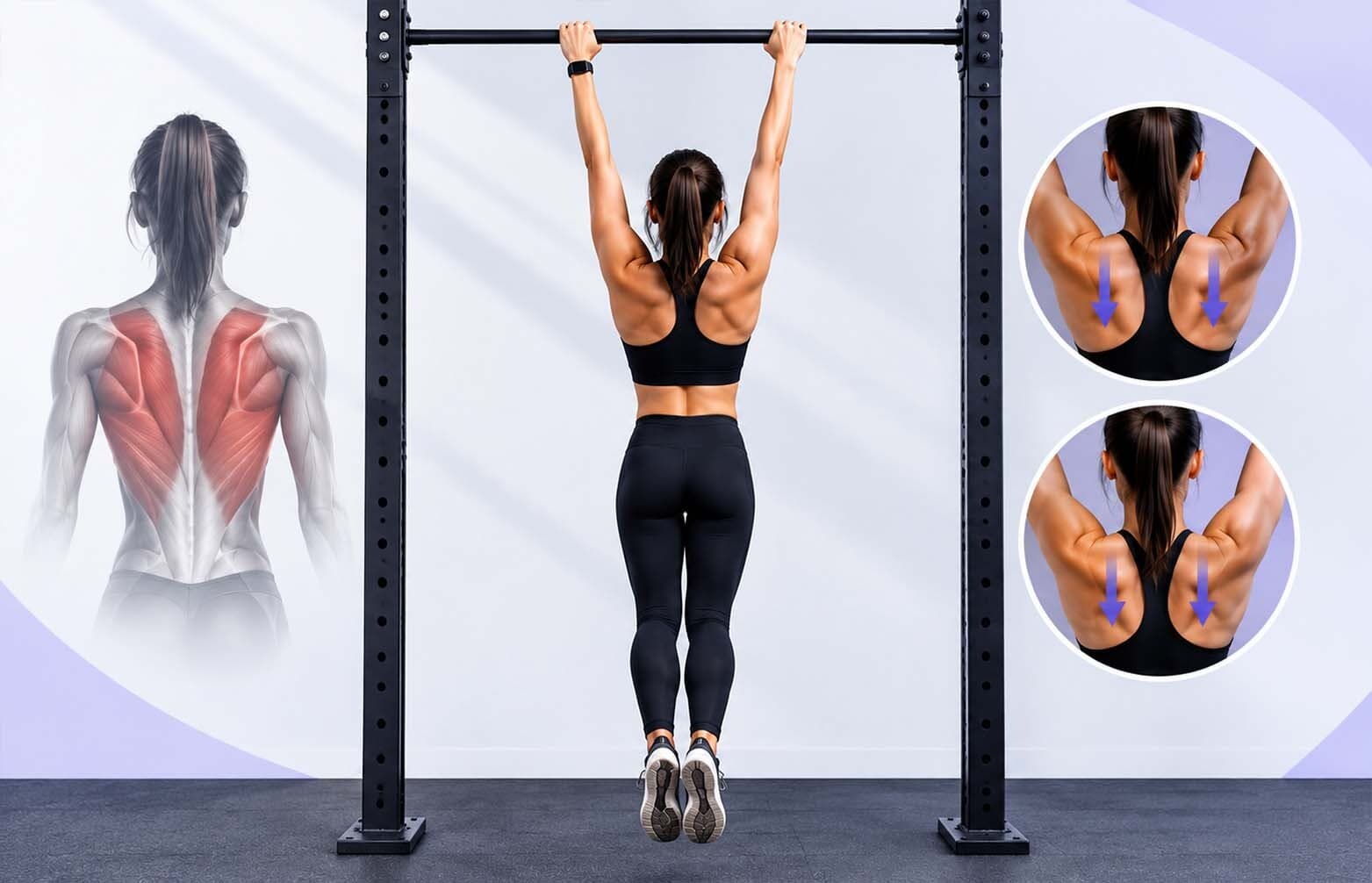
A scapular pull up is a small hanging movement where your arms stay straight and your shoulder blades pull down, lifting your body an inch or two. It trains the shoulder-blade position that starts a pull-up, and most people use it as a warm-up or a beginner drill.
How much it does beyond that hasn't been tested directly, and this guide says so where it matters. You'll get the correct form, the two versions people mix up, five progressions, a fix-it table for when it feels wrong, and an honest look at the research.

Table of Contents
Subscribe to our newslettter
What Are Scapular Pull Ups?
Scapular pull ups, also called scapula pull ups or scap pull ups, are a hanging exercise where your arms stay straight and the movement comes from your shoulder blades pulling down. Your body rises only a few inches. The drill teaches the shoulder-blade position that starts a pull-up, and it's used as a warm-up or beginner exercise.
You may see the name written as "scapular pull up," "scapular pull-up" or "scapula pull up." The movement is the same. What isn't always the same is how different sites describe it, which is covered in "Which Version Are You Doing?" below.
Scapular Pull Up vs. Pull Up vs. Active Hang
These four exercises look similar and do different jobs.
| Exercise | Elbows | Shoulder blades | Does your body move? | Best for |
| Dead hang | Straight | Relaxed, shoulders rise toward your ears | No | Grip, learning to hang |
| Active hang | Straight | Pulled down, away from your ears, and held | No | Learning the start position of a pull-up |
| Scapular pull up | Straight | Pulled down, then released, repeatedly | Rises a few inches | Shoulder-blade control, warm-ups |
| Pull-up | Bend | Work together with the arms | Rises until your chin clears the bar | Building pulling strength |
An active hang is a hold, and a scapular pull up is a repetition. The active hang is the top position of a scapular pull up, and each rep moves between a dead hang and an active hang.
The main difference between pull-ups and scapular pull ups is the elbows. In a pull-up your arms bend and do much of the work. In a scapular pull up they stay straight, the range is small, and the shoulder blades do the moving.
Muscles Worked in Scapular Pull Ups
The movement is scapular depression: pulling the shoulder blades down. As a scapular depression exercise, it involves several muscles rather than one:
- Lower trapezius. Its lower fibers pull the shoulder blade downward.
- Latissimus dorsi. It's mainly a shoulder-joint muscle, but it also helps pull the shoulder blade down.
- Pectoralis minor and major. These chest muscles assist with depression. Don't be surprised if the front of your chest and shoulder works too.
- Serratus anterior (lower fibers). It helps depress and stabilize the shoulder blade against your ribcage.
- Middle trapezius and rhomboids. They help control where the shoulder blade sits, especially if you pull down and slightly back.
- Forearms and grip. They hold you on the bar, so they often tire first.
- Core and glutes. They keep you from swinging.
The exact mix depends on how you do it, which is why the next two sections matter.
How to Do Scapular Pull Ups (Step by Step)
.webp)
- Grip the bar. Take an overhand grip with your hands about shoulder-width apart and palms facing away.
- Hang fully. Let your shoulders relax so they rise toward your ears. This is your dead hang and your starting position.
- Brace lightly. Keep your legs together, tighten your glutes and abs a little, and keep your ribs down.
- Pull your shoulder blades down. Without bending your elbows, push your shoulders away from your ears. Coaches often use cues like "bend the bar" or "do a reverse shrug." Your body rises a few inches.
- Pause. Hold the top position for about one second. This is an active hang.
- Lower under control. Let your shoulders rise back to the full hang slowly. Don't drop.
- Repeat. Breathe out as your shoulder blades pull down and in as you lower.
Form cues. Keep your elbows straight but not locked hard. Keep your neck neutral and your eyes forward. Stay still, with no swinging, and think about moving your shoulders, not your hands.
Which Version Are You Doing? Depression vs. Chest-to-Bar
Pages describe the scapular pull up two ways, which confuses beginners. Both are used. They're just not the same.
| Depression version | Chest-to-bar version | |
| How it's described | Straight arms, shoulder blades pull down | Slight arch in the lower back, chest pulled toward the bar, shoulder blades pull down and back |
| Range | Small. Your body rises a few inches | Larger. Closer to the first part of a pull-up |
| Asks more of | Lower traps, lats, chest | Mid-back as well (middle trapezius, rhomboids) |
| Watch for | Shrugging | Overarching the lower back |
| Best when | You're new, or you want shoulder-blade control | You're warming up for pull-ups and already control the first version |
No research was found comparing the two, so treat the "asks more of" row as reasoning, not a measured result. A sensible approach is to start with the depression version and add the second only once you can do the first without shrugging.
Scapular Pull Up Progressions: From Feet-Assisted to Weighted
Move to the next step when the current one feels easy with clean form.
| Step | Setup | When to move on |
| 1. Feet-assisted | Stand under the bar with your feet on the floor or a low chair and your knees bent. Take just enough weight off your legs to hang with straight arms | You can do your target reps without shrugging |
| 2. Band-assisted | Loop a resistance band over the bar and rest a knee or foot in it | You control the full range without the band doing the work |
| 3. Bodyweight | Full hang, no help | You can do 3 sets of 8 to 10 slow reps with clean form |
| 4. Bodyweight with a top hold | Hold the top position for 2 to 5 seconds | The hold feels steady, not shaky |
| 5. Weighted | Add a small load with a vest, a dip belt or a dumbbell held between your feet | Add weight gradually |
If your grip gives out before your shoulders do, use shorter sets or the feet-assisted version, and build grip with short hangs. If you can't hang without pain, skip this exercise for now.
Troubleshooting: Why It Feels Wrong
| Problem | Likely Cause | What to Try |
| I'm shrugging up | Your upper traps are taking over, or you're pulling too hard | Reset to a full hang, think "shoulders away from ears," and reduce the range |
| My elbows bend | You're trying to lift your body like a pull-up | Keep your arms straight and pull only until your body rises a couple of inches |
| I swing | Momentum, or a loose body | Legs together, squeeze your glutes, and lower for two seconds |
| I only feel it in my forearms | Grip fatigue | Use shorter sets, try straps, or use the feet-assisted version |
| My neck or upper traps strain | Chin poking forward or shrugging | Eyes forward, neck neutral, and fewer reps |
| My shoulder pinches or hurts | The position or load isn't suiting your shoulder | Reduce the range or use feet-assisted. Stop if the pain is sharp, and see a clinician if it persists |
| My body barely moves | Normal. The range is small | Focus on control and the top hold, not height |
| My lower back overarches (chest-to-bar version) | Too much arch | Keep your ribs down, or go back to the depression version |
Are Scapular Pull Ups Worth It? What the Research Shows
Short answer: they're a reasonable skill drill and warm-up, but the claims often made about them aren't backed by direct evidence.
What's missing? No study that tests scapular pull ups directly turned up in the research for this guide. Claims like "prevents shoulder injuries," "fixes posture" or "builds a bigger back" haven't been tested for this drill.
What related research suggests. A 2025 study of 20 men with scapular dyskinesis looked at a prone Y exercise, where you lie face down and lift your arms. Deliberately pulling the shoulder blades down while lifting produced higher lower and middle trapezius activity and lower upper trapezius activity than lifting the arms alone. That's a different exercise, and a short-term muscle-activity test. It suggests that cueing the shoulder blades "down" changes which muscles work. It doesn't show that scapular pull ups protect shoulders.
A practical read. The range is small, so the scapular pull up works best as a skill and control drill rather than a main back-building exercise. If you're working toward pull-ups, climbing or hanging from bars, a couple of sets as a warm-up make sense. If your goal is a bigger back, full pull-ups, lat pulldowns and rows are more direct. A close-grip pulldown is another option.
Sets, Reps, and Where to Put Them in a Workout
There's no research-based dose for this exercise. These ranges are common practice, not study results.
- Reps: 5 to 10 slow reps per set, with a one to two second hold at the top.
- Sets: 2 to 4.
- Frequency: 2 to 3 times a week.
- As a warm-up: 1 to 2 sets before pull-ups, pulldowns or rows.
- As an accessory: 2 to 3 sets after your main pulling work, when your arms are tired and you can focus on control.
Example back day. Scapular pull ups, 2 sets of 8 (warm-up). Assisted or full pull-ups, 3 sets. Lat pulldown, 3 sets of 10. Row of your choice, 3 sets of 10.
Progress by adding reps first, then the top hold, then the next step on the ladder. For other shoulder-blade control work, see scapular push-ups, face pulls, and the bodyweight progressions in our calisthenics workout plan.
The Bottom Line
Scapular pull ups are a simple drill for learning to pull your shoulder blades down with straight arms. They're a good warm-up and a useful step toward pull-ups, but the larger claims about injury prevention and posture haven't been tested for this exercise.
Start with the depression version, use the feet-assisted option if you need it, and add the top hold and weight gradually. To keep track of your sets and see your progress from week to week, the workout logger in MyFitnessCoach is built for that.
This article is for informational purposes only and is not a substitute for professional medical advice, diagnosis, or treatment. If you have a shoulder, neck or elbow injury or persistent pain, consult a qualified healthcare provider before starting new exercises.
Similar Articles
Stay informed with these similar articles.

MyFitnessCoach
October 6, 2025
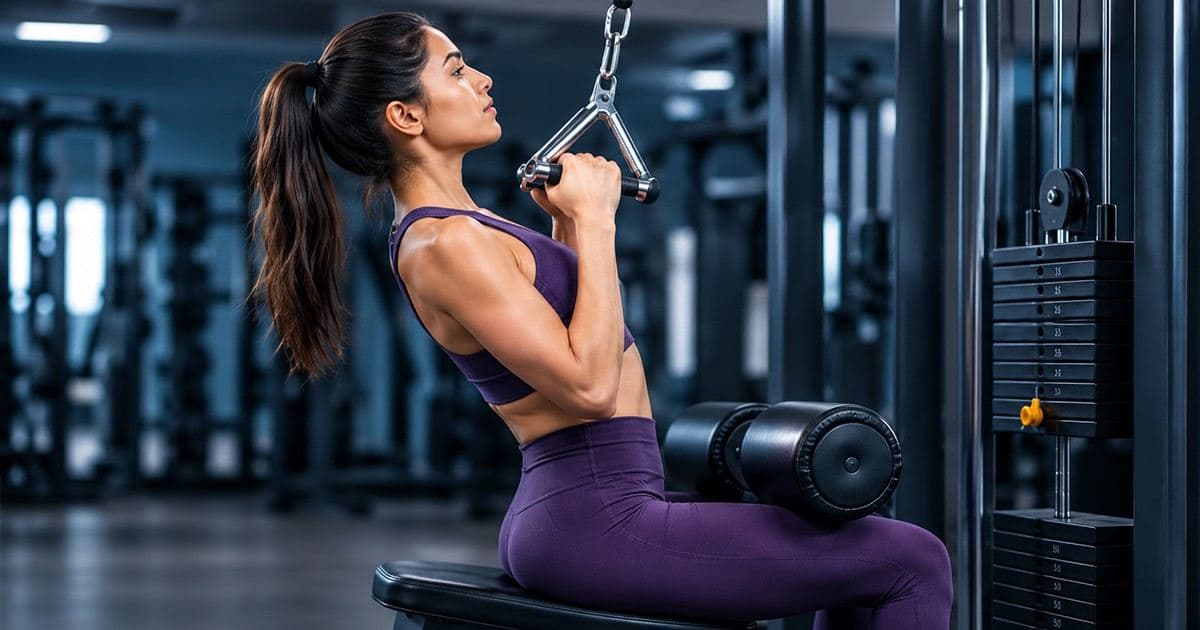
Lat Pull Down Bar: Complete Guide to Build a Stronger Back
When it comes to building a wider, stronger, and more defined back, the lat pull-down bar is one of the most effective tools you can use. Whether you’re training in a gym or building a home workout setup, understanding how to use this versatile piece of equipment can completely transform your upper-body strength.
MyFitnessCoach
September 18, 2023
Close Grip Pulldown: 7 Proven Fixes for Better Results
The close grip pulldown is a cable machine exercise where you pull a narrow attachment down toward your upper chest with your hands positioned close together, usually shoulder-width or narrower. It trains the latissimus dorsi as the primary mover, with support from the rhomboids, trapezius, teres major, and biceps.
MyFitnessCoach
May 16, 2025
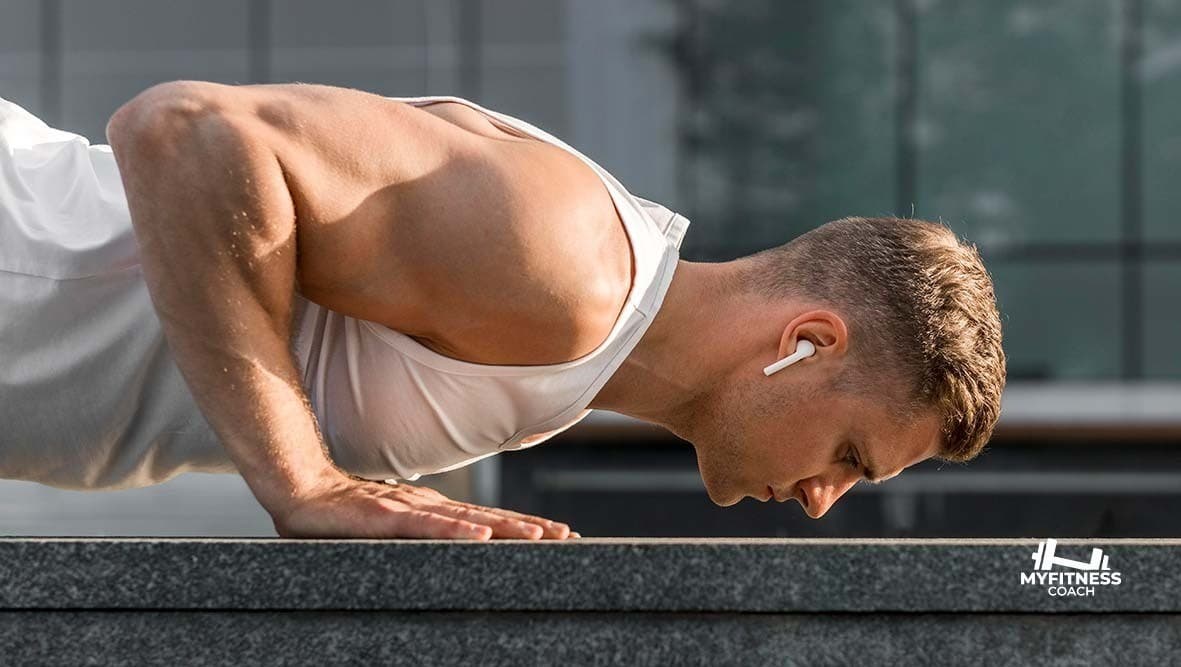
Scapular Push-Up: 7 Mistakes Killing Your Results
A scapular push-up is a bodyweight exercise done in a plank position where your arms stay straight and the only thing that moves is your shoulder blades. You push them apart, then let them draw back together. No elbow bend, no chest-to-floor.