
Reverse Fly: Benefits, Muscles Worked & How to Perform at Home
MyFitnessCoach
July 29, 2025
If you're looking for a simple but powerful exercise to improve your posture, build upper back strength, and reduce shoulder pain, then the reverse fly is a perfect move to try. Whether you're new to fitness or have been working out for a while, this easy-to-learn exercise can be a game-changer for your upper body.
In this article, we’ll explore everything about the reverse fly, how to do it properly, why it matters, and how to include it in your fitness plan. Let’s dive in!

Table of Contents
Subscribe to our newslettter
What is a Reverse Fly?
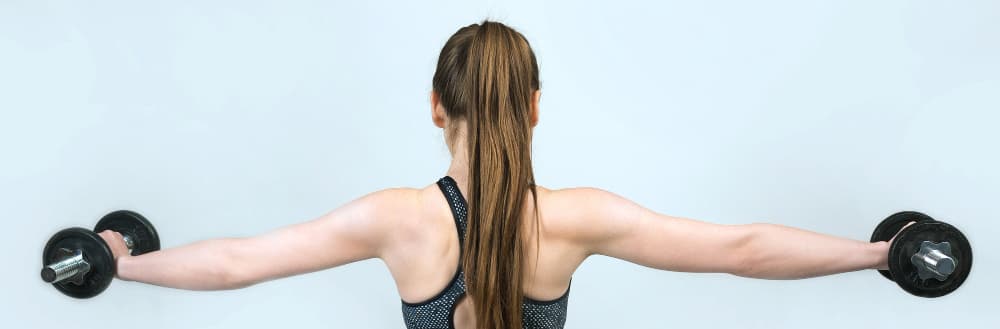
The reverse fly is a strength exercise that works the muscles in your upper back and shoulders, especially the rear deltoids and rhomboids. It mimics the motion of opening your arms like wings, which is why it's sometimes called a "reverse flye" or "bent-over reverse fly."
It’s a great way to target muscles that often get ignored in common pushing exercises like push-ups or bench presses.
Benefits of Reverse Fly
Doing reverse flys regularly can help in many ways. Here are the key benefits:
1. Improves Posture
Sitting at a desk all day or looking down at your phone can weaken your upper back. Reverse fly strengthens the muscles that help keep your shoulders pulled back and your spine upright.
2. Builds Upper Back Strength
This move works the rear deltoids, trapezius, and rhomboids, giving your back more tone and strength.
3. Reduces Shoulder Pain
When your back muscles are strong, your shoulders work better. This can help you avoid shoulder aches caused by muscle imbalances.
4. Boosts Sports Performance
Strong back muscles support better arm movements in sports like swimming, tennis, and baseball.
5. Helps in Pull Movements
Whether it's pull-ups, lat pulldowns, or rows, reverse fly adds balance and power to your pulling workouts.
Muscles Worked in Reverse Fly
Primary Muscles
- Posterior Deltoids (back of the shoulders)
- Rhomboids (between the shoulder blades)
- Trapezius (upper back)
Supporting Muscles
- Rotator cuff
- Spinal erectors
- Core muscles for stabilization
How to Do Reverse Fly Correctly
Doing this exercise with proper form is super important to avoid injury and get the best results.
Reverse Fly Step-by-Step Guide
What You Need:
- A pair of light to medium dumbbells or resistance bands
- A mat or soft surface
- A mirror (optional for checking form)
Instructions:
- Start Position Stand with your feet shoulder-width apart and hold a dumbbell in each hand.
- Hinge Forward Bend slightly at your knees and lean forward from your hips. Your back should stay flat like a tabletop.
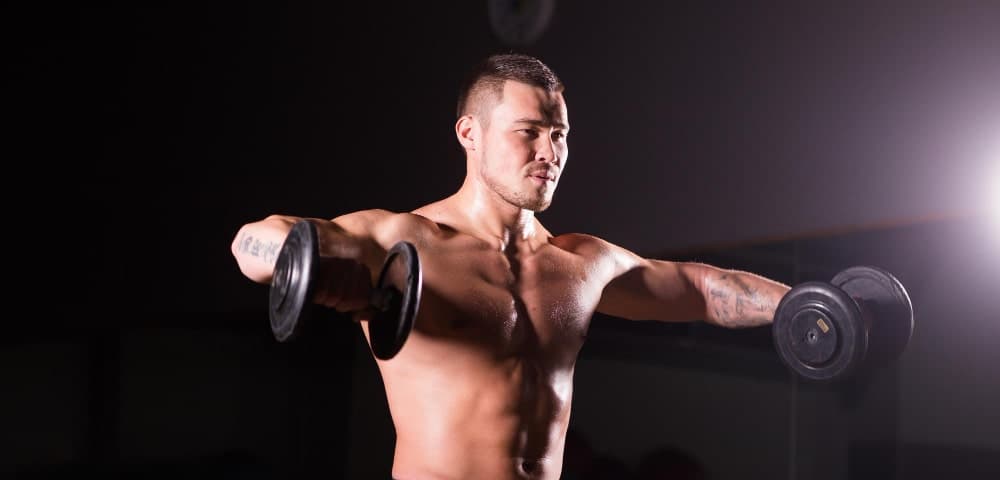
- Lift the Weights With a slight bend in your elbows, raise your arms out to the sides until they’re in line with your shoulders.
- Pause at the Top Squeeze your shoulder blades together and hold for a second.
- Lower Slowly Return the weights to the starting position in a slow and controlled motion.
Tips:
- Don’t use heavy weights. Focus on form first.
- Avoid arching your back.
- Keep your neck in line with your spine.
Reverse Fly Variations for Everyone
Whether you’re a beginner or looking for a challenge, there’s a variation for you.
Seated Reverse Fly
Sit on the edge of a bench and lean forward. This is easier on your lower back.
Resistance Band Reverse Fly
A great option if you don’t have dumbbells. Attach the band to a stable surface and pull the handles apart.
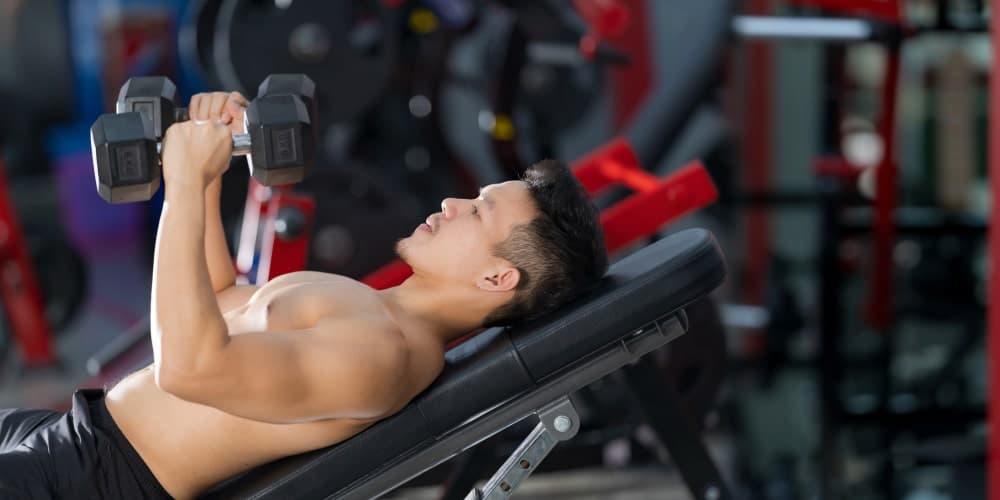
Incline Bench Reverse Fly
Lay on an incline bench and perform the reverse fly for better support and range of motion.
Common Mistakes to Avoid
Using Too Much Weight
If the weight is too heavy, you might swing your arms or use momentum, which takes the work off the right muscles.
Rounding the Back
Always keep your back flat and strong to protect your spine.
Not Controlling the Movement
Dropping the weights quickly can lead to injury and reduce the effectiveness of the exercise.
How to Add Reverse Fly to Your Workout Routine
Reverse fly works well in both upper-body workouts and full-body strength days.
Example Routine:
- Push-ups – 3 sets of 10 reps
- Reverse Fly – 3 sets of 12 reps
- Dumbbell Rows – 3 sets of 10 reps
- Plank – 3 rounds of 30 seconds
You can also log your workout easily using the Workout Logger feature inside the MyFitnessCoach app. This helps you track your reps, sets, and progress over time.
Using MyFitnessCoach for Your Reverse Fly Workouts
Looking to make your workout journey easier and smarter? Try MyFitnessCoach, the all-in-one fitness app designed for everyone. It helps you:
- Track your workouts with the Workout Logger
- Follow personalized strength training plans
- Log your food and track macros
- Access pre-designed workouts, including upper body and back-day routines
- Use wearable devices for better tracking
- Explore fitness videos like how to do the reverse fly properly
Whether you're doing reverse fly or a complete full-body workout, MyFitnessCoach has your back. Literally.
Download MyFitnessCoach now and start your smart fitness journey today!
Reverse Fly at Home
No gym? No problem!
Try These at Home:
- Water bottles instead of dumbbells
- Resistance bands on a door frame
- Standing in front of a mirror to check your form
Final Thoughts
The reverse fly is a simple yet powerful move that improves posture, boosts strength, and helps you build a balanced body. It’s easy to do, doesn’t need fancy equipment, and works perfectly in home or gym workouts.
And with the help of MyFitnessCoach, you can log your progress, get guided plans, and stay on track with your fitness journey, whether you're a beginner or advanced.
Start today. Strengthen your back, open your shoulders, and fly toward a healthier you.
Download MyFitnessCoach, your all-in-one fitness companion.
Frequently Asked Questions
Similar Articles
Stay informed with these similar articles.
MyFitnessCoach
July 30, 2025
Top 6 Dumbbell Back Exercises: Benefits & How to Perform
Why Dumbbell Back Exercises Are Important A strong back is key to good posture, less pain, and better fitness. Whether you're sitting at a desk, lifting groceries, or working out, your back supports almost every move you make. That's why dumbbell back exercises are a great way to improve your health and strength, right from home or the gym.
MyFitnessCoach
August 1, 2025
How to Perform Upright Row: Benefits & Muscles Worked
If you're looking for a simple yet effective way to build strong shoulders and upper back muscles, the upright row might be just what you need. It’s a classic strength exercise that can be done with dumbbells, a barbell, or even resistance bands. Whether you’re just starting or have some experience, learning how to do the upright row properly is key to gaining strength without getting hurt.
MyFitnessCoach
August 1, 2025
Skull Crusher Exercise: Benefits & Step by Step Guidance
The skull crusher exercise is one of the best movements to build strong and toned triceps. It's also known as a lying triceps extension. Despite its scary name, it's totally safe when done correctly. The name comes from the position of the weights coming close to your head during the move, but don't worry, you won’t crush anything if you follow the steps carefully!