
How Can I Recover Quickly After an Intense Workout?
MyFitnessCoach
December 11, 2024
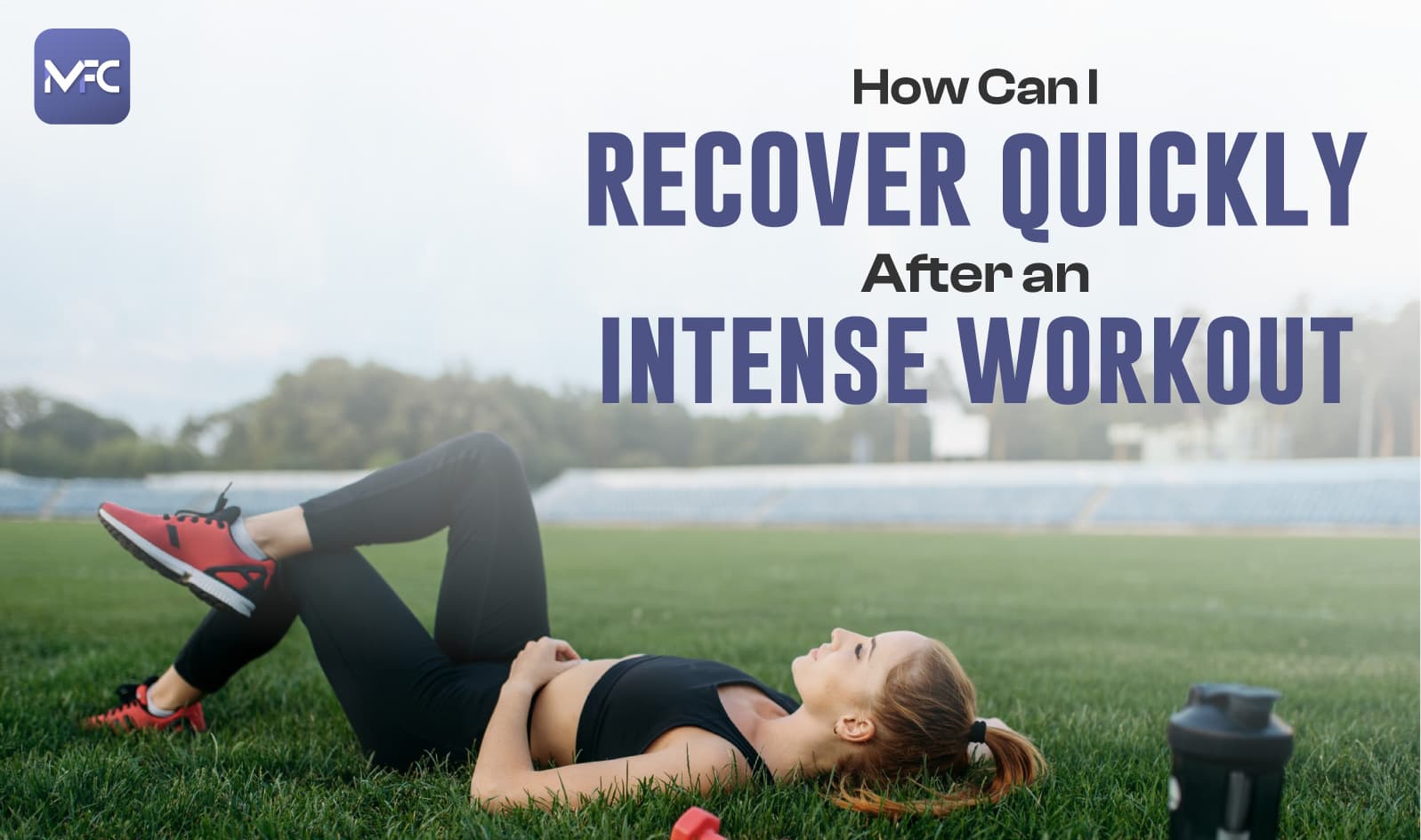
Intense workouts are an essential part of any fitness regimen. Whether you're crushing high-intensity interval training (HIIT), lifting heavy weights, or going all-out in a cardio session, pushing yourself to your limits can result in significant physical gains. However, it can also take a toll on your body. Recovery is just as important as the workout itself, and how you recover can significantly affect your performance in future sessions. So, how can you recover quickly after an intense workout? In this article, we’ll break down the best recovery practices to help you bounce back stronger and faster, so you can keep progressing toward your fitness goals.
Table of Contents
Subscribe to our newslettter
1. Hydrate to Replenish
One of the most important aspects of post-workout recovery is hydration. During an intense workout, your body loses fluids through sweat. If these fluids aren't replaced, it can lead to dehydration, which can impair your performance, delay recovery, and even increase your risk of injury.
How to Hydrate:
- Drink water immediately after your workout to begin rehydrating.
- For intense or long-duration workouts, consider sipping an electrolyte-rich drink to replenish lost minerals like sodium, potassium, and magnesium.
A proper hydration strategy is key to recovering quickly after an intense workout, as it aids in muscle function and helps flush out toxins.
2. Replenish Your Energy with the Right Foods
After an intense workout, your muscles have been through a lot of stress. To recover quickly, you need to replenish the energy stores that were depleted during exercise. This means eating the right mix of carbohydrates and protein to fuel muscle repair and restore glycogen levels.
What to Eat:
- Protein: After a workout, your muscles need protein to repair and rebuild. Aim for 15-25 grams of high-quality protein like lean meat, tofu, eggs, or protein shakes.
- Carbohydrates: Intense workouts deplete your glycogen stores. Replenish them by consuming complex carbohydrates like whole grains, fruits, or starchy vegetables.
- Healthy Fats: Incorporate healthy fats like avocado, nuts, or olive oil into your meals to support overall recovery and reduce inflammation.
A balanced post-workout meal will not only help restore muscle strength but will also optimize your recovery process, so you feel ready for your next workout.
3. Focus on Active Recovery
While rest is essential for recovery, it doesn’t mean you should be completely sedentary. Active recovery, which includes low-intensity movements, can actually accelerate the recovery process. It helps increase blood flow to your muscles, reduces muscle stiffness, and speeds up the removal of metabolic waste products like lactic acid.
Examples of Active Recovery:
- Light jogging or walking: Engage in light aerobic activities to keep your blood circulating.
- Yoga or stretching: Focus on flexibility and gentle movements to lengthen tight muscles.
- Cycling or swimming: These low-impact activities can boost circulation without stressing your muscles.
Active recovery ensures that you’re not overexerting yourself but still promoting the healing and rejuvenation of your muscles.
4. Get Enough Rest and Sleep
Sleep is where the magic of recovery happens. When you sleep, your body releases growth hormones that aid in muscle repair and regeneration. During deep sleep, your body works hard to repair muscle fibres, restore glycogen stores, and reduce inflammation.
Sleep Tips for Recovery:
- Aim for 7-9 hours of quality sleep each night.
- Create a bedtime routine that promotes relaxation (e.g., dimming the lights, avoiding screens, and using calming scents like lavender).
- If you’ve had a particularly tough workout, consider taking a short nap to give your body extra time to recover.
A good night’s sleep is critical for reducing soreness and improving your performance for your next intense workout.
5. Use Foam Rolling and Massage
Foam rolling and massage are excellent tools for easing muscle tension, improving flexibility, and enhancing circulation. By using a foam roller, you can help break up knots in your muscles and improve your range of motion. Massage, on the other hand, helps reduce muscle tightness and promotes relaxation.
How to Foam Roll:
- Focus on muscle groups that are particularly tight or sore.
- Roll slowly over each muscle group for 30 seconds to 1 minute, targeting areas with the most tension.
Massage Tips:
- If you can, book a professional massage to target specific muscle groups.
- Alternatively, self-massage with a massage gun or by using your hands can be effective for relieving soreness.
These techniques not only feel great but also facilitate the repair of muscle tissue, helping you recover faster and reduce muscle stiffness after a hard workout.
6. Cold and Heat Therapy
Cold and heat therapy are often used to manage muscle soreness and accelerate recovery. Cold therapy (such as ice baths or cold packs) helps reduce inflammation, while heat therapy (like warm baths or heat pads) can increase blood flow to injured areas and promote healing.
Cold Therapy:
- Ice baths or cold showers help numb pain and reduce swelling. This is particularly useful for recovery after intense exercises like HIIT or running.
Heat Therapy:
- A warm bath or heating pad can relax your muscles and help ease stiffness, which is especially beneficial after a strength training session.
By alternating between cold and heat, you can boost recovery and manage soreness more effectively.
7. Prioritize Stretching
Stretching after an intense workout is one of the most effective ways to reduce muscle stiffness and improve flexibility. Stretching can also enhance blood circulation, which helps in the recovery process by delivering oxygen and nutrients to your muscles.
Effective Stretching Techniques:
- Dynamic Stretching: In the cool-down phase, perform dynamic stretches to gently lengthen your muscles and improve flexibility.
- Static Stretching: After your workout, hold each stretch for 20-30 seconds to lengthen muscles and relieve tightness.
Stretching not only improves flexibility but also reduces the chances of injury, making it an essential part of any post-workout routine.
8. Consider Supplements for Support
While a balanced diet should be your primary source of nutrition, certain supplements can provide additional support for recovery. The right supplements can reduce inflammation, promote muscle growth, and aid in quicker recovery.
Popular Supplements for Recovery:
- BCAAs (Branched-Chain Amino Acids): Help with muscle repair and reduce soreness.
- Creatine: Improves muscle recovery and enhances performance during high-intensity exercises.
- Fish Oil: Rich in omega-3 fatty acids, which reduce inflammation and promote joint health.
While supplements can enhance recovery, they should complement a well-rounded diet and recovery plan, not replace it.
9. Listen to Your Body
Finally, one of the most important aspects of recovery is learning to listen to your body. While pushing yourself during workouts is important for progress, rest and recovery are just as critical. Overtraining can lead to burnout, injury, and setbacks. Pay attention to your body’s signals and adjust your training intensity and recovery practices accordingly.
If you feel exhausted or overly sore after a workout, consider scaling back your intensity or incorporating an extra rest day into your routine.
10. Incorporate MyFitnessCoach for Enhanced Recovery
If you're looking for personalized guidance on how to recover quickly after intense workouts, the MyFitnessCoach app is here to help. The app offers tailored workout plans that include optimal rest periods and recovery suggestions to ensure you’re maximizing your results and minimizing the risk of injury. With features like progress tracking and recovery tips, MyFitnessCoach ensures you’re on the right track to achieve your fitness goals.
Recovering quickly after an intense workout is essential to maintaining progress and avoiding burnout. By prioritizing hydration, nutrition, rest, active recovery, and incorporating tools like foam rolling and stretching, you can reduce soreness and accelerate muscle repair. Additionally, using the MyFitnessCoach app can further enhance your recovery efforts, offering personalized guidance and a comprehensive approach to fitness.
Remember, recovery is just as important as the workout itself. By giving your body the time and tools it needs to repair and rebuild, you’ll be ready to crush your next workout and continue progressing toward your fitness goals.
Similar Articles
Stay informed with these similar articles.

MyFitnessCoach
April 18, 2024
Boost Your Health and Fitness with Exercises for HIIT Workouts
Workout trends may change, but for the best results, high intensity interval training (HIIT) is here to stay, giving you the most value for your effort. If you ask 10 people about HIIT workouts, you'll likely get 10 different answers because the fitness industry has come up with many versions that aren't truly HIIT.
MyFitnessCoach
November 6, 2023
What is Glycogen: The Body's Energy Reserve
Within the complex workings of the human body, there is a key component called glycogen, which is often likened to a backup of energy. Glycogen is a vital source of power that the body turns to when it requires a rapid surge of energy. Its importance lies in its central role in keeping our blood sugar levels in check and making sure the body always has the required energy for doing any physical activity. To truly understand the importance of glycogen, it's necessary to take a deep dive into what it is, how it forms, where it's stored, and how the body uses it.

MyFitnessCoach
September 13, 2023
Ice Hack to Lose Weight: Cool Way to Shed Pounds
Many people aim to lose weight, but it usually means following difficult diets, doing tough exercises, and sticking to them with a lot of effort. However, there's a cool and somewhat easy trick for losing weight that's become popular lately – it's called the ice hack. In this article, we'll explore what the ice hack is, how it works, and if it's a safe and useful way to help you drop those extra pounds. Let’s get started: