
What Muscles Are Worked in Rowing?
MyFitnessCoach
January 24, 2025
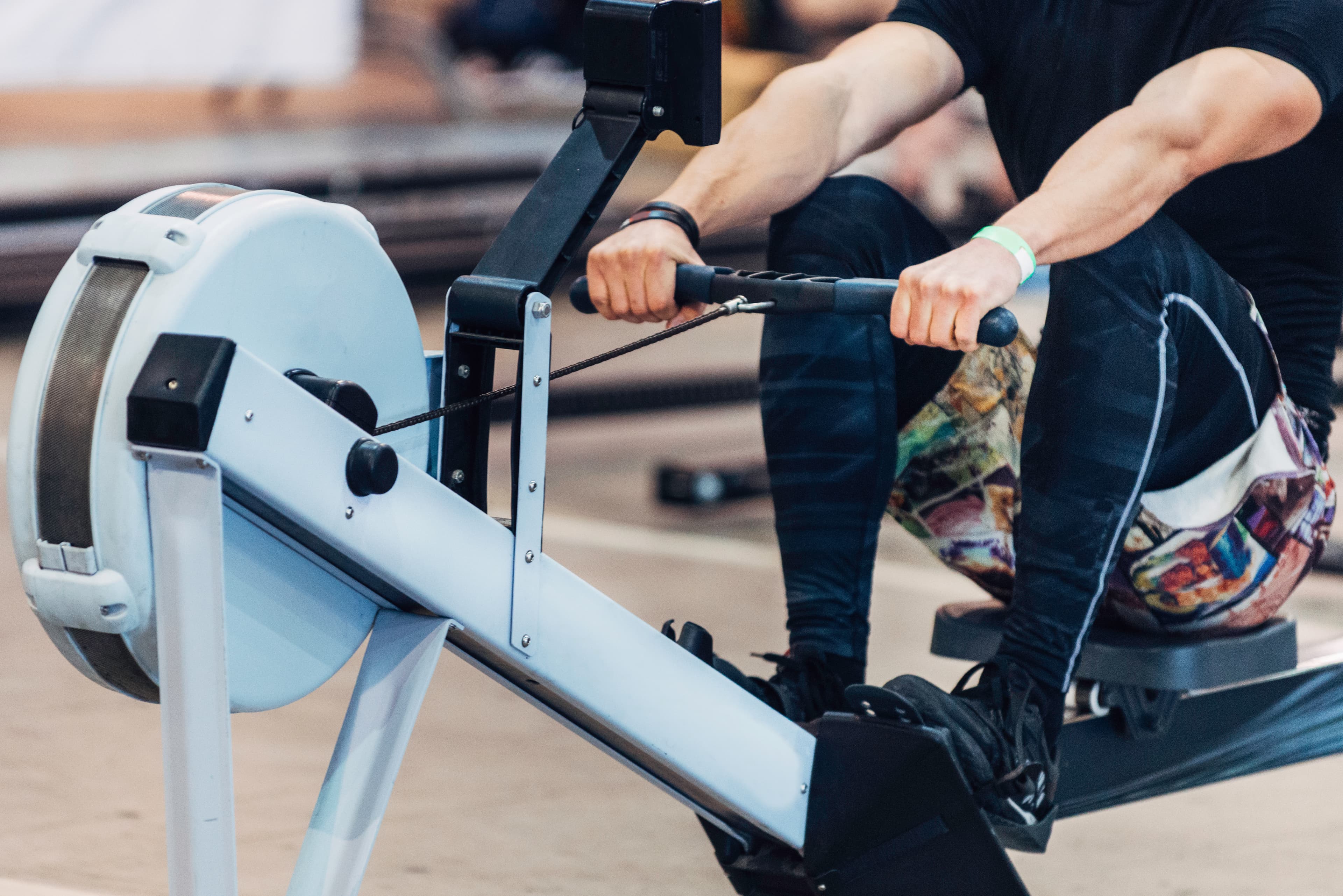
Rowing is an incredible full-body workout that engages multiple muscle groups while delivering a low-impact yet highly effective form of exercise. Whether you’re rowing on a machine at the gym or out on the water, this activity provides both strength training and cardiovascular benefits. But what muscles are actually worked during rowing? Let’s dive into the details and break it down into simple, easy-to-understand sections.

Table of Contents
Subscribe to our newslettter
Understanding the Rowing Stroke
To grasp which muscles are used, it’s important to understand the phases of the rowing stroke. Each stroke consists of four phases:
- Catch: This is the starting position where your body is compressed forward, arms extended, and knees bent.
- Drive: The explosive phase where you push through your legs, engage your core, and pull with your arms.
- Finish: The end of the stroke where you’re leaning slightly back, legs extended, and hands near your chest.
- Recovery: The phase where you return to the starting position, preparing for the next stroke.
Each of these phases activates specific muscle groups, making rowing a total-body workout.
Primary Muscle Groups Worked in Rowing
1. Leg Muscles
Your legs play a dominant role in rowing, particularly during the drive phase. The major leg muscles engaged include:
- Quadriceps: Located on the front of your thighs, these muscles extend your knees during the drive.
- Hamstrings: Found on the back of your thighs, they assist in bending your knees during the recovery phase.
- Glutes: Your gluteal muscles (buttocks) are heavily engaged to help push your body backward during the drive.
2. Core Muscles
A strong core is essential for maintaining balance and stability during rowing. The key core muscles worked include:
- Rectus Abdominis: These are your "six-pack" muscles, helping to stabilize your torso.
- Obliques: Located on the sides of your abdomen, they assist in twisting and maintaining proper posture.
- Erector Spinae: These lower back muscles help keep your spine straight and stable during the movement.
3. Back Muscles
Rowing requires significant engagement of your back muscles, particularly during the drive and finish phases. These include:
- Latissimus Dorsi (Lats): These large muscles on your back help with pulling the handle toward your body.
- Rhomboids: Found between your shoulder blades, they assist in retracting your scapulae.
- Trapezius: This upper-back muscle helps stabilize your shoulders and assists in the pulling motion.
4. Arm Muscles
Your arms play a secondary but important role in rowing. The primary arm muscles worked are:
- Biceps: These muscles bend your elbows as you pull the handle toward your chest.
- Forearms: Your grip strength comes into play, engaging your forearms.
5. Shoulder Muscles
Your shoulders are also activated to stabilize and assist in the pulling motion. The key muscles involved are:
- Deltoids: These muscles in your shoulders help with the pulling and stabilizing actions.
Benefits of Working Multiple Muscle Groups
Rowing is unique because it provides a full-body workout without putting too much stress on your joints. Here are some benefits of engaging so many muscle groups:
- Improved Strength and Endurance: Rowing builds both muscle strength and cardiovascular endurance simultaneously.
- Enhanced Posture: By strengthening your core and back, rowing helps improve posture and reduce back pain.
- Calorie Burn: Engaging multiple muscle groups means you burn more calories, making rowing an excellent choice for weight loss.
- Low Impact: Unlike running, rowing is gentle on the joints, making it suitable for people of all fitness levels.
How to Maximize Muscle Engagement While Rowing
To get the most out of your rowing workouts, proper form is crucial. Follow these tips:
- Focus on the Drive: Push through your legs rather than relying solely on your arms. Remember, rowing is 60% legs, 20% core, and 20% arms.
- Maintain Good Posture: Keep your back straight and core engaged to avoid injury.
- Smooth Transitions: Ensure your movements are fluid, avoiding jerky motions.
- Adjust Resistance: Start with a moderate resistance level and increase it as you build strength.
- Warm-Up and Cool Down: Always warm up before rowing and stretch afterward to prevent muscle soreness.
How MyFitnessCoach Can Help You Track Your Progress
Rowing is an incredible workout, but tracking your progress is key to achieving your fitness goals. That’s where the MyFitnessCoach app comes in! With features like:
- Workout Tracking: Log your rowing sessions and monitor the muscle groups you’ve worked.
- Custom Plans: Get personalized workout plans tailored to your fitness level and goals.
- Progress Reports: Visualize your improvements over time, including calories burned, sets completed, and muscle engagement.
- Community Support: Connect with others for motivation and tips on improving your rowing technique.
Start Your Fitness Journey Today!
Ready to take your fitness to the next level? Download MyFitnessCoach today and unlock the full potential of your rowing workouts.

Track your progress, stay motivated, and achieve your fitness goals faster than ever. Let’s row toward a healthier, stronger you!
Similar Articles
Stay informed with these similar articles.
MyFitnessCoach
August 22, 2023
The Faster Way to Fat Loss: Effective Strategies Made Simple
Losing weight might feel like a big challenge, but it doesn't have to be a hard road. By using the correct methods and a few easy techniques, you can make your fat loss happen more quickly and also make your overall health better.

MyFitnessCoach
November 20, 2023
Should You Work Out When Sore | Myths Explained
Engaging in physical activity is an important part of maintaining a healthy lifestyle and physical wellness. However, a significant number of people often face a problem when it comes to deciding whether to exercise when experiencing muscle soreness. The enduring question remains: should you work out when you are sore and endure the discomfort or go for some rest? This article aims to get into the details of dominant misconceptions associated with working out while experiencing soreness and aims to offer straightforward, practical guidance to help individuals make informed decisions personalized to their specific situations.

MyFitnessCoach
January 27, 2025
Popular Meal the Night Before a Marathon: Fueling for Success
Preparing for a marathon requires more than just months of training and running—your nutrition also plays a key role. What you eat the night before a marathon can significantly impact your performance on race day. It’s not just about loading up on carbs; it’s about eating the right balance of nutrients to ensure your body is ready to handle the 26.2 miles ahead. In this article, we’ll discuss popular meal options for the night before a marathon, provide tips for optimizing your nutrition, and answer frequently asked questions to help you feel confident as you head to the starting line.