
Macros for a Clean Bulk: Your Ultimate Guide to Gaining Lean Muscle

MyFitnessCoach
April 9, 2025
Building muscle effectively requires a structured approach, and one of the most important phases in this process is bulking. However, many individuals find it challenging to follow the right method to gain muscle without unnecessary fat. This is where a clean bulk becomes essential. A clean bulk focuses on increasing muscle mass while minimizing fat gain, allowing you to achieve a lean and well-defined physique.
The secret to a successful clean bulk lies in tracking your macronutrients, commonly known as macros. Macros include proteins, carbohydrates, and fats, all of which play a vital role in muscle growth and overall health. By carefully monitoring your macro intake, you can ensure that your body gets the right balance of nutrients to build muscle efficiently without storing excess fat.
In this comprehensive guide, we will cover everything you need to know about macronutrients for a clean bulk. You will learn about the ideal macronutrient ratio, the best food choices to support muscle growth, and practical ways to track your macros accurately. Whether you are new to bulking or looking to refine your approach, this guide will help you make informed decisions to reach your fitness goals.

Table of Contents
Subscribe to our newslettter
What Is a Clean Bulk?
A clean bulk is a well-planned approach to gaining muscle in a healthy and controlled way. During this phase, you increase the number of calories you eat, but you do so by choosing foods that are rich in nutrients. The goal is to build lean muscle while keeping fat gain as low as possible. This method is different from a dirty bulk, where a person eats anything and everything just to gain weight quickly. Instead of focusing only on consuming large amounts of food, a clean bulk prioritizes high-quality foods that support muscle growth and overall health.
Why Macros Matter in a Clean Bulk
Macros (macronutrients) are the building blocks of your diet, consisting of proteins, carbohydrates, and fats. When planned correctly, they optimize muscle growth and recovery while keeping fat gain at bay.
Macronutrient Breakdown for a Clean Bulk
1. Protein: The Muscle Builder
Protein is essential for muscle repair and growth. Aim for 1.0 to 1.2 grams of protein per pound of body weight. This ensures you provide your muscles with the amino acids they need to recover and grow.
Best Protein Sources:
- Lean meats (chicken breast, turkey, lean beef)
- Fish (salmon, tuna, cod)
- Eggs and egg whites
- Dairy (Greek yogurt, cottage cheese)
- Plant-based sources (tofu, tempeh, lentils, chickpeas)
- Protein powder (whey, casein, plant-based blends)
2. Carbohydrates: The Energy Source
Carbs fuel your workouts and daily activities. For a clean bulk, consume 2.5 to 3.5 grams of carbohydrates per pound of body weight to ensure sustained energy levels.
Best Carb Sources:
- Whole grains (brown rice, quinoa, oats, whole wheat bread)
- Vegetables (broccoli, spinach, carrots, bell peppers)
- Fruits (bananas, berries, apples, oranges)
- Legumes (black beans, lentils, chickpeas)
- Starchy carbs (sweet potatoes, potatoes)
3. Fats: The Hormonal Support
Healthy fats support hormone production and physical fitness. Aim for 0.4 to 0.6 grams of fat per pound of body weight.
Best Fat Sources:
- Healthy oils (olive oil, coconut oil, avocado oil)
- Nuts and seeds (almonds, walnuts, chia seeds, flaxseeds)
- Fatty fish (salmon, mackerel, sardines)
- Dairy (cheese, full-fat yogurt)
- Nut butters (peanut butter, almond butter)
How to Calculate Your Clean Bulk Macros
To determine your macro needs, follow these steps:
- Calculate Your Caloric Needs: Use the TDEE (Total Daily Energy Expenditure) calculator to find your maintenance calories.
- Add a Surplus: For a clean bulk, add 200-500 calories to your maintenance level.
- Divide Your Macros: Use the macro breakdown mentioned earlier to allocate your calories accordingly.
Example Calculation for a 170-lb Individual:
- Protein: 1.2g per pound → 170 x 1.2 = 204g (816 calories)
- Carbs: 3.0g per pound → 170 x 3 = 510g (2040 calories)
- Fats: 0.5g per pound → 170 x 0.5 = 85g (765 calories)
- Total Calories: 816 + 2040 + 765 = 3,621 calories per day
Meal Timing and Frequency
While hitting your macros is the priority, meal timing can optimize performance. Aim for 4-6 meals per day to maintain energy levels and support muscle protein synthesis.
Pre-Workout Meal:
- Carbs: Oatmeal with banana
- Protein: Egg whites
- Fats: Almonds
Post-Workout Meal:
- Carbs: Brown rice
- Protein: Grilled chicken
- Fats: Avocado
Tips for a Successful Clean Bulk
- Stay Consistent: Progress takes time. Stick to your meal plan and adjust as needed.
- Hydrate Well: Aim for at least 3 liters of water daily.
- Strength Train Effectively: Focus on progressive overload to maximize muscle growth.
- Monitor Progress: Track weight, measurements, and strength levels weekly.
- Adjust As Needed: If fat gain is excessive, reduce carbs slightly; if muscle gain is slow, increase calories.
Tracking Macros Made Easy with MyFitnessCoach
Tracking macros can be overwhelming, but using a fitness app like MyFitnessCoach simplifies the process. Our app helps you:
- Calculate and set your ideal macros
- Track meals effortlessly
- Get personalized meal recommendations
- Monitor progress with real-time analytics
By using MyFitnessCoach, you take the guesswork out of clean bulking and stay on track toward your muscle-building goals!
Start Your Clean Bulk with MyFitnessCoach!
Ready to take your clean bulk to the next level? Download MyFitnessCoach today and get personalized meal plans, macro tracking, and expert guidance to build lean muscle efficiently. Start your fitness journey today!

Frequently Asked Questions
Similar Articles
Stay informed with these similar articles.

MyFitnessCoach
March 24, 2025
Clean Bulk Calculator: Gain Muscle Without the Fat
When people talk about gaining muscle, you often hear the word "bulking." However, not all bulking methods are the same. Some approaches lead to excessive fat gain along with muscle growth, while others focus on gaining lean muscle in a more controlled way. This is where the concept of a "clean bulk" comes in. A clean bulk is a smarter and more structured way to build muscle while keeping fat gain to a minimum.

MyFitnessCoach
September 11, 2025
Lean Bulk: The Smart Way to Build Muscle Without Excess Fat
Building muscle does not always have to mean adding layers of unwanted fat. Many people shy away from bulking because they associate it with gaining too much weight, eating junk food, and then going through the exhausting process of cutting. That is where the concept of a lean bulk comes in. It is a structured approach to building muscle while controlling fat gain, making it ideal for those who want to look athletic year-round.
MyFitnessCoach
September 19, 2023
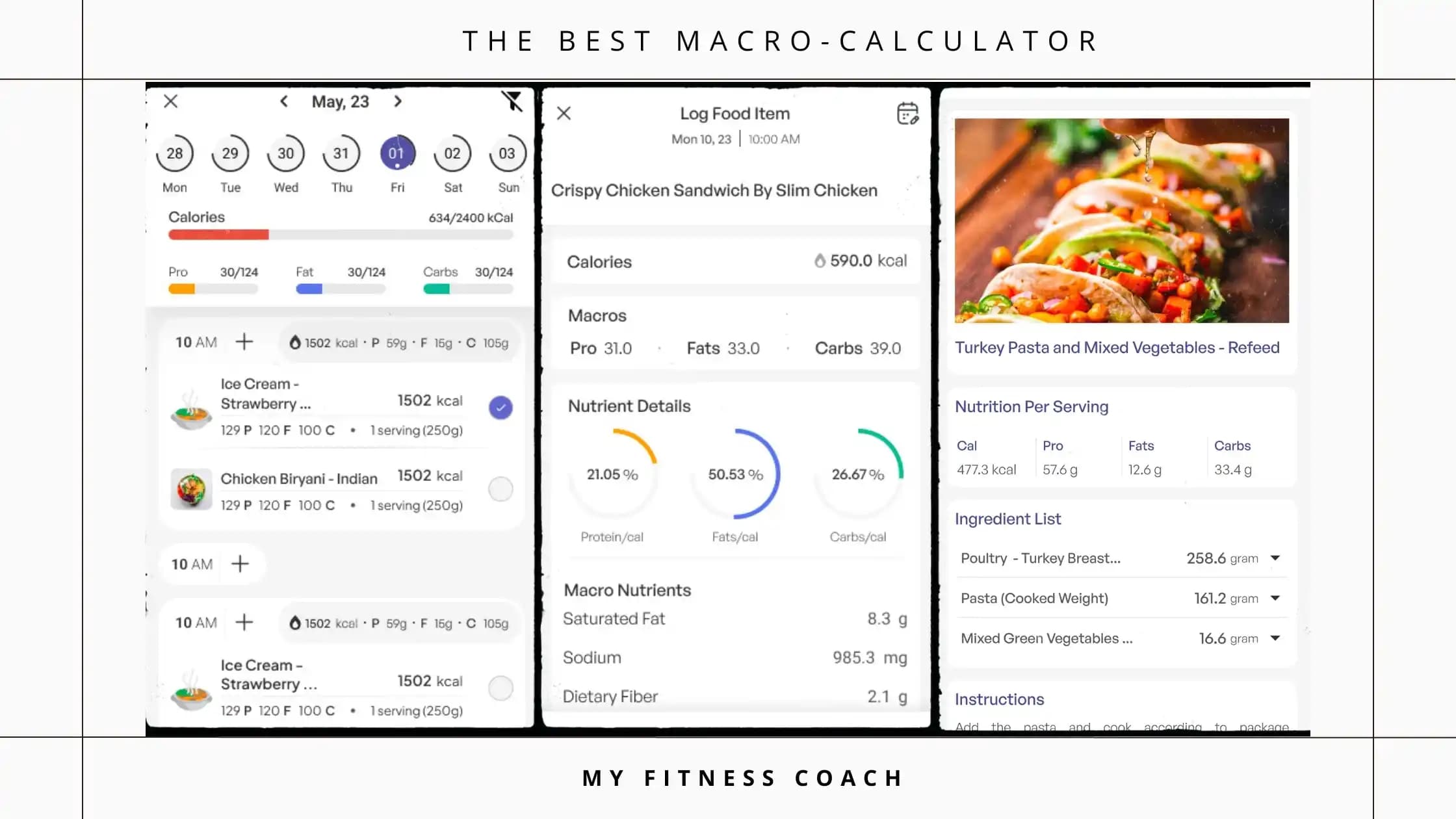
Macro Coach: A Simple Macronutrients Calculator
Eating well is an essential part of leading a healthy lifestyle, and one of the keys to a balanced diet is understanding macronutrients. Macronutrients, often referred to as macros, are the essential nutrients our bodies need in large quantities to function properly. They include carbohydrates, proteins, and fats, and each plays a unique role in our overall health. But how can we determine the right balance of macros for our individual needs? That's where macronutrient calculators come into play, and MyFitnessCoach's innovative feature, MacroCoach, offers a user-friendly solution. In this article, we'll explore macronutrients, explain how to use a macronutrient calculator, get into the details of MacroCoach, and see how it has revolutionized the fitness world.