
Complete Guide to Knee Pull-Ins: Strengthen Your Core and Improve Flexibility
MyFitnessCoach
January 9, 2025
Knee pull-ins are a simple yet effective exercise that targets your core muscles, improves flexibility, and enhances overall body strength. Whether you’re a fitness enthusiast or just starting out, incorporating knee pull-ins into your routine can help you achieve a stronger, leaner body. In this article, we’ll dive deep into the benefits, techniques, and variations of knee pull-ins. Plus, we’ll show you how the MyFitnessCoach app can guide you every step of the way.
What Are Knee Pull-Ins?
Knee pull-ins, also known as seated knee tucks or knee-ups, are a bodyweight exercise that primarily works your abdominal muscles. This movement involves pulling your knees toward your chest while engaging your core and balancing your body. The simplicity of this exercise makes it suitable for all fitness levels, from beginners to advanced athletes.
Key Benefits of Knee Pull-Ins
1. Strengthens Core Muscles
Knee pull-ins directly target your rectus abdominis (the “six-pack” muscles) and obliques, helping you build a solid core foundation. A strong core improves your balance, stability, and overall physical performance.
2. Improves Flexibility
This exercise requires a range of motion that stretches your lower back and hip flexors. Over time, consistent practice can increase flexibility and reduce the risk of injuries.
3. Enhances Posture
A strong core supports your spine and promotes better posture. Knee pull-ins help combat the negative effects of prolonged sitting and slouching.
4. Easy to Perform Anywhere
Knee pull-ins require no equipment, making them perfect for home workouts, gym sessions, or even outdoor fitness routines.
How to Perform Knee Pull-Ins
Follow these steps to ensure proper form and avoid injuries:
Standard Seated Knee Pull-Ins
- Start Position: Sit on the floor or a bench with your hands slightly behind you for support.
- Engage Your Core: Keep your back straight and lean slightly backward.
- Lift Your Feet: Raise both feet off the ground, keeping your knees bent.
- Tuck Your Knees: Pull your knees toward your chest, contracting your abs.
- Extend Your Legs: Slowly extend your legs back to the starting position without touching the ground.
- Repeat: Perform 10-15 reps for 3 sets.
Pro Tips:
- Avoid arching your back during the movement.
- Control your breathing: exhale as you pull your knees in and inhale as you extend your legs.
Variations of Knee Pull-Ins
1. Elevated Knee Pull-Ins
Use a sturdy bench or chair to elevate your body. This variation adds intensity and challenges your balance.
2. Weighted Knee Pull-Ins
Hold a small dumbbell or medicine ball between your feet to increase resistance.
3. Side-to-Side Knee Pull-Ins
Instead of pulling your knees straight in, move them side to side to engage your obliques more effectively.
4. Stability Ball Knee Tucks
Place your shins on a stability ball and perform the knee pull-ins. This advanced variation enhances balance and core engagement.
Common Mistakes to Avoid
- Relying on Momentum: Perform the movement slowly and with control to maximize effectiveness.
- Arching Your Back: Maintain a neutral spine to avoid strain.
- Neglecting Breathing: Proper breathing enhances muscle engagement and prevents fatigue.
How to Incorporate Knee Pull-Ins Into Your Routine
Beginner:
- Perform knee pull-ins 2-3 times a week as part of your core workout.
Intermediate:
- Add variations like side-to-side or weighted knee pull-ins to increase difficulty.
Advanced:
- Combine knee pull-ins with other exercises like planks, crunches, or leg raises for a comprehensive core circuit.
Why Choose the MyFitnessCoach App?
If you’re looking for personalized guidance on your fitness journey, the MyFitnessCoach app is your ultimate solution. Here’s how it can help:
- Customized Workouts: Get tailored routines that include knee pull-ins and other core-strengthening exercises.
- Workout Videos: Access step-by-step videos to ensure proper form and technique.
- Progress Tracking: Monitor your improvements and stay motivated.
- Expert Tips: Receive advice from certified trainers to optimize your workouts.
Ready to take your fitness to the next level? Download the MyFitnessCoach app now and start incorporating knee pull-ins into your routine. Achieve your core goals with expert guidance, personalized plans, and a supportive community. Let’s get moving!
Incorporate these tips and techniques into your fitness routine and enjoy the benefits of a stronger, more flexible core. The journey to a healthier you starts today!
Explore our Alternatives to Hanging Leg Raises guide for more core-training options.
Similar Articles
Stay informed with these similar articles.
MyFitnessCoach
October 11, 2023
Can Bodyweight Exercises Build Muscle? A Comprehensive Guide
In the pursuit of a strong and muscular physique, many people believe that they need access to a fully equipped gym with heavy weights and complex machinery. However, what if I told you that you could achieve significant muscle growth and strength without setting foot in a gym or lifting traditional weights? This is where bodyweight exercises come into play. In this article, we will explore the effectiveness of bodyweight exercises in building muscle and how you can harness the power of your own body to sculpt the physique you desire.
MyFitnessCoach
November 12, 2025
Best Alternative to Hanging Leg Raises for Beginners & Advanced
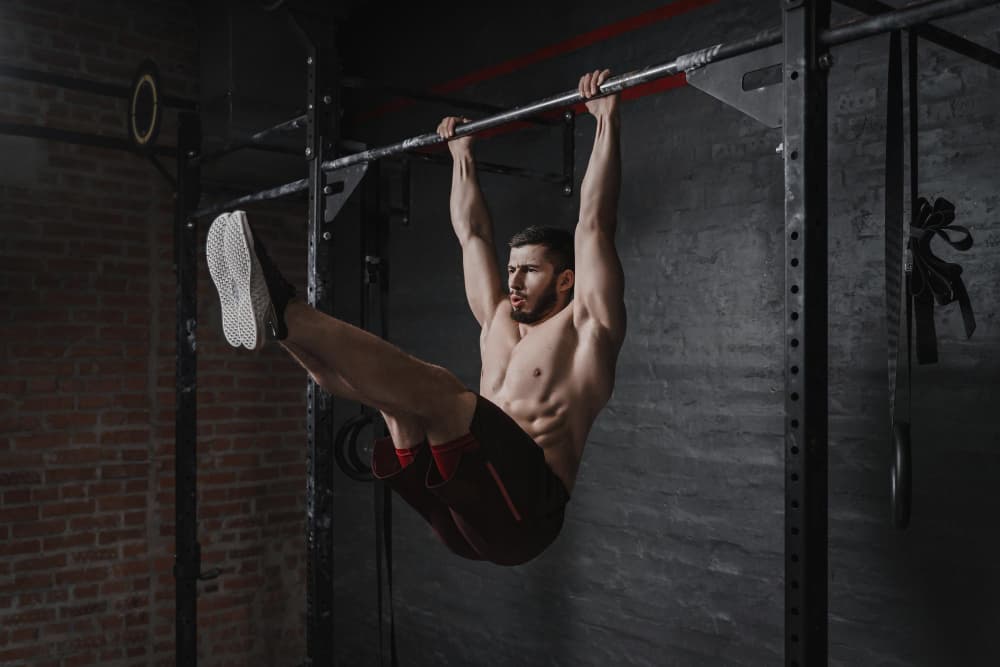
Hanging leg raises are widely recognised as one of the most effective exercises for building a strong core. However, they can be challenging for beginners or those with limited upper-body strength. If you are looking for an alternative to hanging leg raises, you can still achieve the same core benefits without struggling with grip, hanging bars, or intense upper body engagement.
MyFitnessCoach
January 9, 2025
How Long After Donating Blood Can You Exercise?
Donating blood is a generous act that saves lives, but it also temporarily impacts your body. If you’re someone who loves to stay active, you might wonder, “How long after donating blood can you exercise?” The answer depends on your body’s recovery, the type of exercise you plan to do, and how you feel post-donation. In this article, we’ll explore everything you need to know about exercising after donating blood, including tips to stay safe and optimize recovery.