
Importance of Rest During Workout for Muscle Growth and Recovery

MyFitnessCoach
September 2, 2025
When it comes to fitness, most people focus on training harder, lifting heavier, or spending more hours at the gym. While dedication and consistency are crucial, one factor often overlooked is rest. Understanding the importance of rest during workouts can transform your fitness results, prevent injuries, and keep you motivated for the long run.
In this article, we’ll break down why rest is just as important as training, how it affects your body, and how you can use tools like the MyFitnessCoach App to balance workouts with recovery effectively.

Table of Contents
Subscribe to our newslettter
Why Rest is Essential in Any Workout Program
When you exercise, your body undergoes stress. Muscles experience microscopic tears, your energy stores deplete, and your nervous system works harder than usual. Rest during workout sessions allows the body to repair, recover, and adapt.
Here’s what happens when you give your body enough rest:
- Muscle Repair and Growth Strength and muscle gains don’t happen while lifting weights, but rather during recovery. Rest days allow protein synthesis to rebuild muscle fibers, making them stronger.
- Prevents Overtraining Training without rest can lead to fatigue, decreased performance, and even hormonal imbalances. Strategic rest keeps you energized and consistent.
- Supports Mental Health Workouts are not just physical; they challenge the mind. Rest reduces stress, improves sleep, and keeps you mentally sharp for your next session.
- Injury Prevention Fatigue increases the chance of poor form, which can lead to injuries. Recovery gives your joints, tendons, and ligaments time to heal.
The Science Behind Rest and Recovery
When you exercise, your body enters a state of breakdown called catabolism. During rest, your body switches to anabolism, where tissues repair, energy stores replenish, and muscles grow stronger.
- Sleep plays the biggest role in recovery. Growth hormones peak during deep sleep, helping your muscles recover faster.
- Active recovery methods like light stretching, yoga, or walking help blood circulation and reduce stiffness.
- Nutrition also enhances recovery. Protein rebuilds muscles, while carbs restore glycogen.
Without proper rest, this balance is disrupted, which can hinder progress and cause long-term health issues.
How Much Rest Do You Really Need?
The amount of rest depends on your workout intensity, goals, and fitness level. Here’s a general guide:
-
Between Sets:
- Strength training: 2–3 minutes
- Hypertrophy (muscle growth): 1–2 minutes
- Endurance training: 30–60 seconds
-
Between Workouts:
- High-intensity training: 48 hours for the same muscle group
- Moderate training: 24–36 hours
- Weekly Rest Days: At least 1–2 rest days per week are essential for optimal performance.
Active Rest vs. Passive Rest
Rest doesn’t always mean doing nothing. There are two main types:
-
Active Rest
- Involves light activities such as yoga, stretching, walking, or foam rolling.
- Helps reduce muscle soreness and keeps you flexible.
-
Passive Rest
- Complete downtime without physical exertion.
- Ideal when you feel exhausted, injured, or mentally drained.
Both are important and should be balanced based on your fitness journey.
The Role of Rest in Different Training Styles
Not all workouts require the same recovery approach.
- Strength Training: Heavy lifting breaks down muscle fibers, requiring at least 48 hours of rest per muscle group.
- HIIT Workouts: High-intensity sessions stress the nervous system, so 2–3 rest days per week are essential.
- Cardio Training: Low-intensity cardio needs minimal rest, but endurance athletes still benefit from planned recovery.
- Yoga and Mobility: These can be practiced more frequently since they often aid recovery.
Signs You’re Not Getting Enough Rest
If you ignore rest, your body will give you warning signals:
- Constant fatigue or low energy
- Reduced workout performance
- Difficulty sleeping
- Mood swings or irritability
- Frequent injuries or muscle soreness
If these signs show up, it’s time to prioritize recovery before pushing harder.
How MyFitnessCoach Helps Balance Training and Rest
One of the biggest challenges in fitness is knowing when to push and when to rest. This is where technology can help.
The MyFitnessCoach App is designed to track not only your workouts but also your recovery. With features like:
- Custom Workout Planner that ensures you’re not overtraining the same muscle groups
- Body Measurement & Weight Tracking to monitor progress
- Sleep and Recovery Insights that guide when to rest
- Quick Workouts & Active Recovery Routines for lighter rest-day activities
By logging your workouts, rest days, and overall recovery in the app, you can strike the perfect balance between training and rest, ensuring consistent results without burnout.
Download MyFitnessCoach today and take control of your workouts, recovery, and long-term results.
Practical Tips to Maximize Rest and Recovery
- Prioritize Sleep – Aim for 7–9 hours of quality sleep every night.
- Stay Hydrated – Water helps reduce muscle soreness and improves recovery speed.
- Stretch and Foam Roll – Post-workout stretching reduces stiffness.
- Eat Balanced Meals – Ensure enough protein and carbs to fuel recovery.
- Listen to Your Body – If you feel drained, it’s better to take an extra rest day.
Conclusion
The importance of rest during a workout cannot be underestimated. Rest is when the body repairs, muscles grow, and performance improves. Without it, even the hardest workouts won’t deliver results.
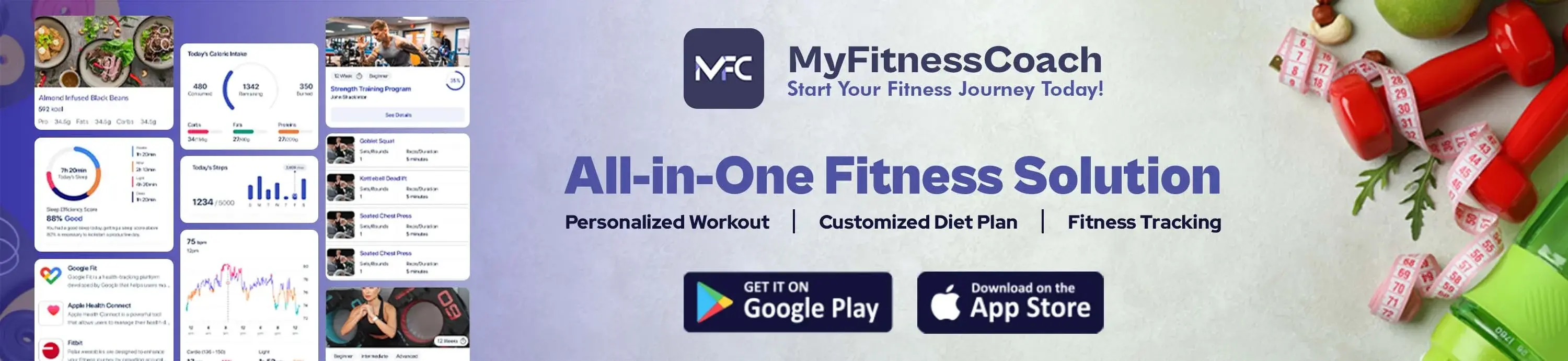
By combining smart training with adequate recovery and leveraging tools like the MyFitnessCoach App, you can build a sustainable fitness routine that keeps you strong, healthy, and motivated.
Similar Articles
Stay informed with these similar articles.

MyFitnessCoach
December 1, 2023
How to Keep the Nervous System Healthy: A Simple Guide
Our nervous system is like the body's communication network. It's responsible for transmitting messages between the brain and the rest of the body, ensuring everything works perfectly. Keeping this system in good shape is crucial for overall health and physical fitness. Billions of cells come together to form the human body. These building blocks are the most basic units of life that work in a complete symphony to ensure our bodies can do everything they need.

MyFitnessCoach
December 6, 2024
Can I Gain Muscle and Lose Fat at the Same Time?
The idea of gaining muscle while simultaneously losing fat might seem too good to be true. After all, these two processes are often seen as conflicting goals. On one hand, building muscle typically requires a caloric surplus, while fat loss requires a caloric deficit. So, can you really achieve both at the same time? In this article, we’ll explore the science behind these processes, how to optimize your training and nutrition, and how to leverage tools like the MyFitnessCoach app to help you on your journey.

MyFitnessCoach
December 4, 2024
How Does HIIT (High-Intensity Interval Training) Work?
High-Intensity Interval Training, or HIIT, has become a popular workout choice for fitness enthusiasts and beginners alike. With its reputation for efficiency, calorie burn, and quick results, it's no wonder HIIT is a top choice for anyone looking to boost their fitness levels. But what exactly is HIIT, how does it work, and why is it so effective? This article explores the mechanisms behind HIIT, how it affects your body, and how you can maximize its benefits with the "MyFitnessCoach" app.