
How to Perform Alternating Lunges? A Comprehensive Guide
MyFitnessCoach
January 9, 2025
Lunges are one of the best exercises for building lower body strength, improving balance, and enhancing overall athletic performance. Among the many variations, alternating lunges are a dynamic and versatile movement that targets multiple muscle groups. Whether you're a beginner or an experienced athlete, mastering alternating lunges can elevate your fitness routine.
In this guide, we'll cover everything you need about alternating lunges, including their benefits, step-by-step instructions, common mistakes, and tips for perfecting your form.

Table of Contents
Subscribe to our newslettter
What Are Alternating Lunges?
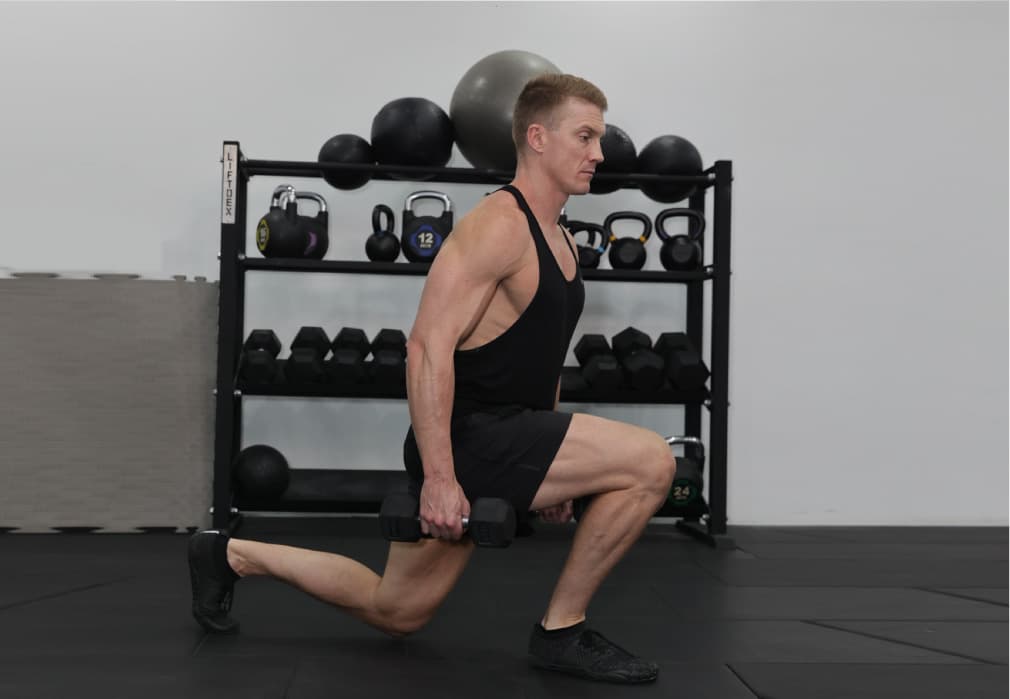
Alternating lunges involve stepping forward with one leg, lowering into a lunge position, and then stepping back to switch to the other leg. This dynamic movement engages your legs, glutes, and core while challenging your balance and coordination.
Muscles Worked
- Quadriceps: The front of your thighs.
- Glutes: The muscles in your buttocks.
- Hamstrings: The back of your thighs.
- Calves: Lower leg muscles.
- Core: For stabilization during movement.
Benefits of Alternating Lunges
Alternating lunges offer numerous benefits, making them a valuable addition to any workout routine.
- Improved Lower Body Strength
- Strengthens the quads, glutes, and hamstrings for better performance in daily activities and sports.
- Better Balance and Coordination
- The shifting of weight between the legs helps enhance stability and neuromuscular coordination.
- Increased Flexibility
- The lunge movement stretches the hip flexors and hamstrings, improving flexibility over time.
- Calorie Burning
- This compound exercise engages multiple muscle groups, making it effective for burning calories and supporting weight loss.
- Reduced Risk of Injury
- Strengthening your lower body and improving balance can help prevent falls and reduce the likelihood of injuries.
How to Perform Alternating Lunges: Step-by-Step Guide
To get the most out of alternating lunges, it’s essential to focus on proper form and technique.
Step 1: Start with the Right Stance
- Stand upright with your feet hip-width apart.
- Engage your core by pulling your belly button toward your spine.
- Keep your shoulders back and your chest lifted.
Step 2: Step Forward
- Take a controlled step forward with your right leg.
- Plant your right foot firmly on the ground, ensuring your toes are pointing straight ahead.
Step 3: Lower Into a Lunge
- Bend both knees to lower your body into a lunge position.
- Your front knee should align directly over your ankle, forming a 90-degree angle.
- Your back knee should hover just above the floor without touching it.
Step 4: Push Back to the Starting Position
- Push through your front heel to return to the starting position.
- Keep your core engaged to maintain balance.
Step 5: Switch Legs
- Repeat the movement with your left leg, stepping forward into a lunge.
- Continue alternating legs for the desired number of repetitions.
Common Mistakes to Avoid
While alternating lunges are straightforward, improper form can lead to discomfort or injury. Here’s what to watch out for:
- Knee Over Toes
- Avoid letting your front knee extend beyond your toes, as this can strain your knee joint.
- Collapsing Chest
- Keep your chest lifted and avoid rounding your shoulders to maintain proper posture.
- Uneven Weight Distribution
- Ensure your weight is evenly distributed between your front and back legs.
- Rushing the Movement
- Perform lunges slowly and with control to maximize muscle engagement.
- Skipping Warm-Up
- Always warm up before lunges to prevent stiffness and reduce the risk of injury.
Tips for Perfecting Your Alternating Lunges
- Start With Bodyweight
- Master the movement using just your body weight before adding resistance like dumbbells or kettlebells.
- Use a Mirror
- Perform lunges in front of a mirror to check your form and alignment.
- Engage Your Core
- A strong core helps maintain balance and prevents swaying.
- Focus on Breathing
- Inhale as you lower into the lunge and exhale as you push back to the starting position.
- Progress Gradually
- Increase the number of repetitions or add weights as you build strength and confidence.
Variations of Alternating Lunges
To keep your workouts fresh and challenging, try these variations:
- Reverse Alternating Lunges
- Step backward instead of forward, which places more emphasis on the glutes and hamstrings.
- Walking Lunges
- Perform lunges while moving forward in a straight line.
- Jumping Lunges
- Add a plyometric element by switching legs mid-air.
- Lateral Lunges
- Step to the side instead of forward to target the inner thighs.
- Weighted Lunges
- Hold dumbbells or a kettlebell to increase resistance.
How MyFitnessCoach Can Help
Achieving perfect form and tracking progress with alternating lunges is easier with the MyFitnessCoach app. Here’s how it supports your fitness journey:
- Workout Videos: Follow step-by-step instructions and video demonstrations to perfect your technique.
- Customized Plans: Incorporate lunges into workout plans tailored to your fitness level.
- Progress Tracking: Monitor your performance and set goals for reps, sets, or added resistance.
- Recovery Tips: Access rehab prehab exercise routines and recovery advice to prevent soreness and injuries.
Download MyFitnessCoach today and start mastering alternating lunges and other effective exercises for a stronger, healthier you!
Conclusion
Alternating lunges are a powerful exercise that delivers multiple benefits, from building lower-body strength to improving balance and flexibility. With proper form and gradual progression, they can be a cornerstone of any fitness routine. Remember to avoid common mistakes, incorporate variations for variety, and use tools like the MyFitnessCoach app to enhance your workout experience.
Start practicing alternating lunges today to build a stronger, more balanced body!
Similar Articles
Stay informed with these similar articles.

MyFitnessCoach
January 9, 2025
Complete Guide to Knee Pull-Ins: Strengthen Your Core and Improve Flexibility
Knee pull-ins are a simple yet effective exercise that targets your core muscles, improves flexibility, and enhances overall body strength. Whether you’re a fitness enthusiast or just starting out, incorporating knee pull-ins into your routine can help you achieve a stronger, leaner body. In this article, we’ll dive deep into the benefits, techniques, and variations of knee pull-ins. Plus, we’ll show you how the MyFitnessCoach app can guide you every step of the way.
MyFitnessCoach
January 9, 2025
How Long After Donating Blood Can You Exercise?
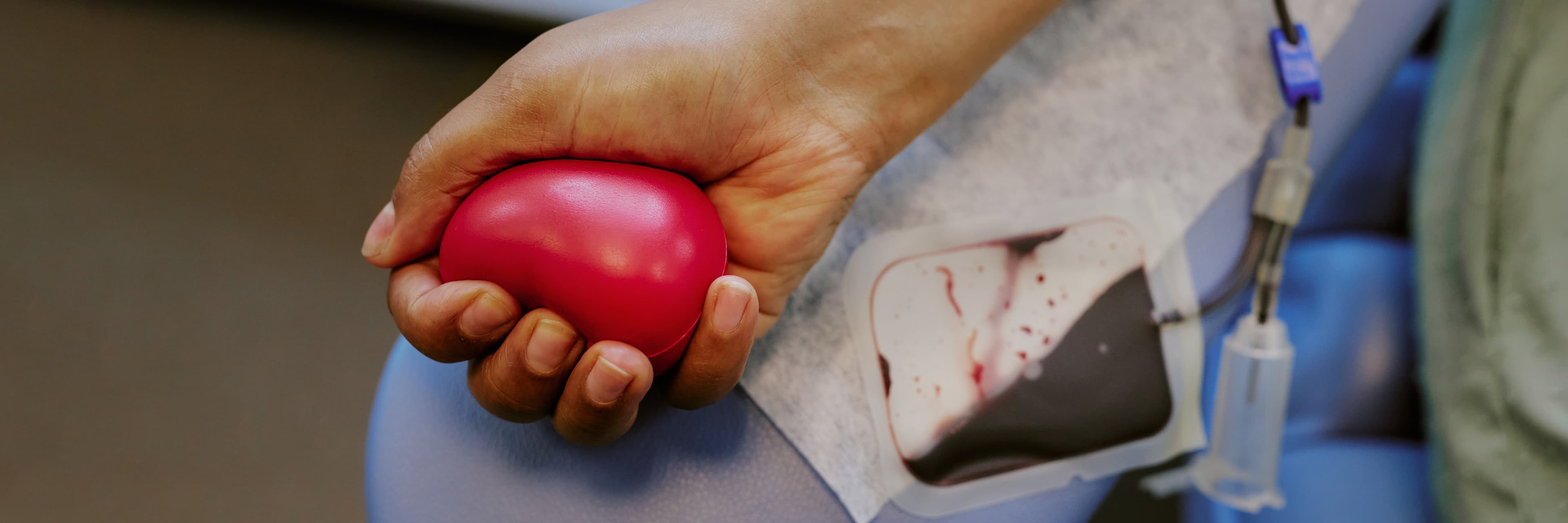
Donating blood is a generous act that saves lives, but it also temporarily impacts your body. If you’re someone who loves to stay active, you might wonder, “How long after donating blood can you exercise?” The answer depends on your body’s recovery, the type of exercise you plan to do, and how you feel post-donation. In this article, we’ll explore everything you need to know about exercising after donating blood, including tips to stay safe and optimize recovery.

MyFitnessCoach
January 9, 2025
Squat and Pulse: A Comprehensive Guide to Strengthen Your Lower Body
When it comes to lower-body exercises, the squat and pulse variation is a game-changer. This dynamic movement not only targets key muscle groups but also enhances endurance, stability, and overall strength. Whether you're new to fitness or a seasoned enthusiast, incorporating squat and pulse into your workout routine can deliver impressive results. In this article, we’ll explore the benefits, techniques, variations, and tips to master the squat and pulse. Let’s dive in!