
How Many Calories Do I Burn While Lifting Weights?
MyFitnessCoach
April 9, 2025
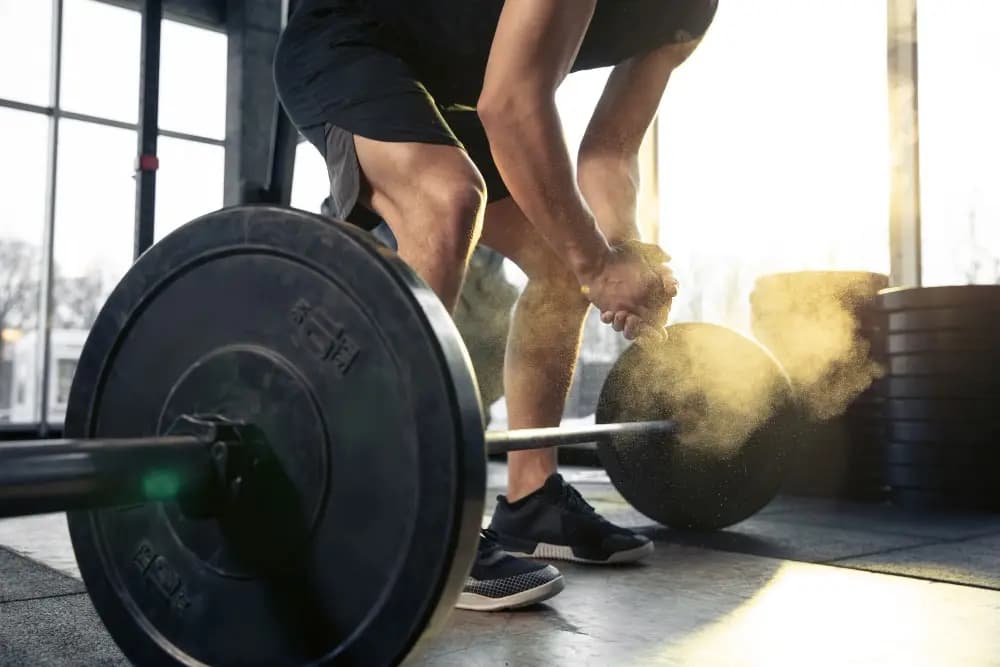
Lifting weights is a great way to increase your strength, shape your muscles, and improve your overall fitness level. Many people include weightlifting in their workout routines to build muscle and stay healthy. However, if your goal is to lose weight or keep track of how many calories you burn during exercise, you may be curious about how many calories weightlifting actually burns.
The number of calories you burn while lifting weights is not the same for everyone. It depends on several important factors, such as how much you weigh, how intense your workout is, and how long you exercise. Some people may burn more calories than others, even if they do the same workout, because their body size and effort level can make a difference.
In this article, we will take a closer look at how weightlifting affects calorie burn. We will also discuss ways to make your workouts more effective so you can reach your fitness goals faster.

Calories Burned While Lifting Weights
Factors That Affect Calorie Burn
Several factors influence how many calories you burn while lifting weights:
- Body Weight – People who weigh more usually burn more calories than those who weigh less, even when doing the same workout. This is because their bodies require more energy to move.
- Intensity – If you lift heavier weights and take shorter breaks between sets, you will burn more calories than if you lift lighter weights and rest for longer periods. The higher effort increases energy use.
- Workout Duration – The more time you spend lifting weights, the more calories your body will burn. Longer sessions require more energy.
- Muscle Engagement – Exercises that use multiple muscle groups at the same time, such as squats, deadlifts, and bench presses, help burn more calories. These movements make your body work harder compared to exercises that focus on just one muscle.
- Rest Periods – Taking short breaks between sets keeps your heart rate elevated, leading to greater calorie burn. On the other hand, long breaks lower your heart rate and reduce calorie expenditure.
- Experience Level – People who have been weightlifting for a long time and perform intense workouts tend to burn more calories than beginners. This is because they often train with greater effort and efficiency.
Lifting Weights vs. Cardio: Which Burns More Calories?
Cardio exercises like running, cycling, and swimming tend to burn more calories during the workout session compared to weightlifting. However, weightlifting helps build lean muscle mass, which increases your metabolism and allows you to burn more calories throughout the day—even at rest. This is known as the afterburn effect or excess post-exercise oxygen consumption (EPOC).
For example, while an hour of running may burn 500-700 calories, weightlifting provides long-term benefits by increasing your resting metabolic rate (RMR) and calorie burn after your workout.
How to Maximize Calorie Burn While Lifting Weights
If you want to burn more calories while lifting weights, try these tips:
1. Focus on Compound Exercises
Exercises that engage multiple muscle groups burn more calories than isolation exercises. Some effective compound movements include:
- Squats
- Deadlifts
- Bench Press
- Pull-ups
- Lunges
- Shoulder Press
2. Reduce Rest Periods
Taking shorter breaks between sets (30-45 seconds) keeps your heart rate elevated and increases calorie burn.
3. Try Circuit Training
Circuit training involves performing multiple exercises in a row with minimal rest, which keeps the intensity high and burns more calories.
4. Lift Heavier Weights
Lifting heavier weights (with proper form) increases muscle engagement and calorie expenditure.
5. Increase Training Volume
Perform more sets and reps to extend the duration of your workout and boost calorie burn.
6. Incorporate Supersets and Drop Sets
These techniques help maintain high intensity throughout the workout, leading to more calories burned.
7. Stay Active Between Sets
Instead of sitting or standing still, perform light cardio movements like jumping jacks, high knees, or jogging in place.
8. Engage Your Core
Keeping your core engaged throughout exercises can help you burn extra calories and strengthen your abdominal muscles.
Tracking Your Calories Burned While Lifting Weights
If you want a better idea of how many calories you burn during exercise or daily activities, you can use different tools to track your progress. Here are some helpful options:
- Fitness Trackers – Devices such as Fitbit, Apple Watch, or Garmin can measure your movement and activity throughout the day. They provide real-time updates on the number of calories you burn based on your steps, heart rate, and workout intensity.
- Heart Rate Monitors – These devices help track your heart rate while you exercise, giving you a better idea of how intense your workout is. Since calorie burn depends on effort and heart rate, these monitors can provide a good estimate of the calories you are using.
- Fitness Apps – Applications like MyFitnessCoach can help you log your workouts, track the number of calories you burn, and monitor your progress over time. They often include additional features like workout recommendations and goal-setting tools to keep you motivated.
How MyFitnessCoach Can Help You Track Calories and Optimize Workouts
Tracking your progress is essential to staying on top of your fitness journey. MyFitnessCoach is an all-in-one fitness app designed to help you:
- Track your calories burned during weightlifting and other workouts.
- Create personalized workout plans tailored to your goals.
- Log exercises and monitor your strength training progress.
- Access expert fitness tips and nutritional advice.
- Stay motivated with challenges and goal tracking.
Whether you want to build muscle, lose weight, or maintain a healthy lifestyle, MyFitnessCoach is the perfect companion to keep you on track.
Start optimizing your workouts and tracking your progress with MyFitnessCoach today! Download the app now and take control of your fitness journey!
Frequently Asked Questions
Similar Articles
Stay informed with these similar articles.

MyFitnessCoach
August 29, 2023
Weight Loss Journey: Easy Changes to Make to Lose Weight
Losing weight doesn't have to be a difficult challenge. Making a few easy changes to your daily routine can lead to significant and sustainable weight loss over time. It's important to remember that quick fixes and extreme diets usually don't provide lasting results. Instead, focusing on simple and manageable adjustments can help you develop healthy habits that contribute to your weight loss journey.

MyFitnessCoach
September 4, 2023
Heart Rate During Exercise: Key to a Healthier Lifestyle
When it comes to exercise, understanding your heart rate is crucial for optimizing your fitness routine. Whether you're a seasoned athlete or just starting your fitness journey, knowing how to monitor and interpret your heart rate can make a significant difference in achieving your health and fitness goals.
MyFitnessCoach
June 15, 2023
Get Your Heart Pumping with Low Impact Cardio Exercises
Cardio, which stands for cardiovascular exercise, is one of the most important parts of any workout program. It is an important part of living a good life. But people with certain health problems, like joint problems or accidents, might not be able to do cardio exercises. They are told not to do the exercise with a lot of force. Low-impact cardio exercises were made for people with these conditions because they know how important cardio is. Low-impact cardio workouts are a great option. They have many benefits and put less stress on the joints, making them less likely to get hurt.