
How Does HIIT (High-Intensity Interval Training) Work?

MyFitnessCoach
December 4, 2024
High-Intensity Interval Training, or HIIT, has become a popular workout choice for fitness enthusiasts and beginners alike. With its reputation for efficiency, calorie burn, and quick results, it's no wonder HIIT is a top choice for anyone looking to boost their fitness levels. But what exactly is HIIT, how does it work, and why is it so effective? This article explores the mechanisms behind HIIT, how it affects your body, and how you can maximize its benefits with the "MyFitnessCoach" app.

Understanding HIIT
HIIT stands for High-Intensity Interval Training, a workout method that alternates between short, intense bursts of activity and brief recovery periods. The high-intensity intervals are designed to push your body close to its limits, and the recovery phases allow you to catch your breath and get ready for the next interval. This back-and-forth pattern elevates your heart rate and keeps it high throughout the workout, which is key to HIIT’s effectiveness.
The intensity in a HIIT workout is about effort, not necessarily specific exercises. Whether you're sprinting, doing burpees, or using a rowing machine, the goal is to give maximum effort during the high-intensity phases. Recovery intervals allow just enough rest to keep going, which helps maximise the workout's effectiveness in a short period.
How Does HIIT Affect Your Body?
HIIT training provides a unique challenge to the cardiovascular, muscular, and metabolic systems. Here’s a closer look at how these systems react to HIIT workouts.
- Cardiovascular System: The fast-paced structure of HIIT keeps your heart rate elevated for the workout’s duration. This constant elevation forces your cardiovascular system to work harder to pump blood and oxygen to your muscles, which over time can increase your heart's strength and endurance.
- Muscular Endurance and Strength: High-intensity intervals typically require powerful, explosive movements that activate multiple muscle groups. This combination helps build muscle endurance and can lead to increased strength over time. Unlike some forms of cardio, HIIT targets both fast-twitch and slow-twitch muscle fibres, giving a balanced approach to strength and endurance.
- Metabolism and Fat Burning: One of the most significant benefits of HIIT is its effect on your metabolism. The intense intervals create a state known as Excess Post-exercise Oxygen Consumption (EPOC). After completing a HIIT workout, your body continues to burn calories at an elevated rate for hours as it works to return to its resting state. This is why HIIT is particularly effective for fat loss, as it helps torch calories long after the workout has ended.
- Hormonal Impact: HIIT workouts stimulate the release of hormones like adrenaline and growth hormone, which aid in breaking down fat for energy. Additionally, HIIT boosts endorphins, which are the body's natural mood enhancers. This hormonal boost is part of what makes HIIT both energizing and effective.
Benefits of HIIT
HIIT workouts are most effective when they're performed with the right balance of intensity, recovery, and proper technique. Warming up thoroughly, maintaining good form, choosing appropriate work-to-rest intervals, and allowing enough recovery between sessions can help you improve performance while reducing the risk of injury. If you'd like to maximize every HIIT session, explore our Get the Most Out of a HIIT Workout guide.
Why Is HIIT So Effective?
There are several reasons why HIIT has gained so much popularity, and much of it comes down to the efficiency and versatility of the workout. HIIT workouts are often shorter than traditional workouts, sometimes lasting just 20-30 minutes, making them ideal for people with busy schedules. Despite their brevity, HIIT sessions can burn as many calories as longer, moderate-intensity workouts due to the high-intensity bursts and the post-exercise calorie burn.
HIIT also offers variety, as the high-intensity and rest phases can be adapted to different exercises. This adaptability keeps workouts engaging and allows you to focus on various muscle groups, making it an all-encompassing workout option. Plus, because HIIT can be done with minimal equipment, it's accessible to most people, whether they're working out at home or in a gym.
Common HIIT Workouts
There are several types of HIIT workouts to choose from, depending on your goals and fitness level. Here are a few examples:
- Tabata: This popular HIIT format includes 20 seconds of intense exercise followed by 10 seconds of rest, repeated for four minutes. Tabata is short but very intense and works well with exercises like jump squats, push-ups, and high knees.
- Circuit Training: In circuit training, you move from one exercise to the next with minimal rest in between. It combines strength and cardio exercises, making it ideal for those looking to build muscle while improving cardiovascular health.
- Pyramid Intervals: These intervals gradually increase the duration of high-intensity work phases before decreasing them again, giving a structured and challenging workout format.
- Bodyweight HIIT: If you don't have equipment, bodyweight HIIT exercises like burpees, mountain climbers, and jump lunges offer a full-body workout without the need for weights or machines.
Tips for Getting the Most Out of HIIT
For beginners, it’s essential to start at a pace that feels challenging but manageable. The goal is to push your limits without overexerting yourself. Try these tips to maximize your HIIT experience:
- Warm-Up and Cool Down: Start with a 5-10 minute warm-up to prepare your muscles and avoid injuries. Cooling down after a session helps your body transition back to its normal state and reduces soreness.
- Focus on Form: Proper form is critical in HIIT to prevent injury and maximize effectiveness. Pay attention to body alignment, especially during high-impact moves.
- Consistency Is Key: To see significant results, aim to incorporate HIIT into your routine consistently. Three to four times a week is generally recommended for optimal results.
- Listen to Your Body: Because HIIT is intense, you need to listen to your body and allow adequate recovery. Muscle soreness is normal, but overexertion can lead to injuries.
- Progress at Your Own Pace: As your fitness improves, gradually increase the intensity or duration of your intervals to keep challenging yourself.
Using the MyFitnessCoach App to Improve Your HIIT Workouts
If you're ready to take your HIIT workouts to the next level, the MyFitnessCoach app is designed to help. Our app offers a range of HIIT routines tailored for different fitness levels and goals, making it easy to find a workout that fits your schedule and experience level. The app provides step-by-step guidance for each exercise, ensuring you maintain proper form and maximize each interval's benefits.
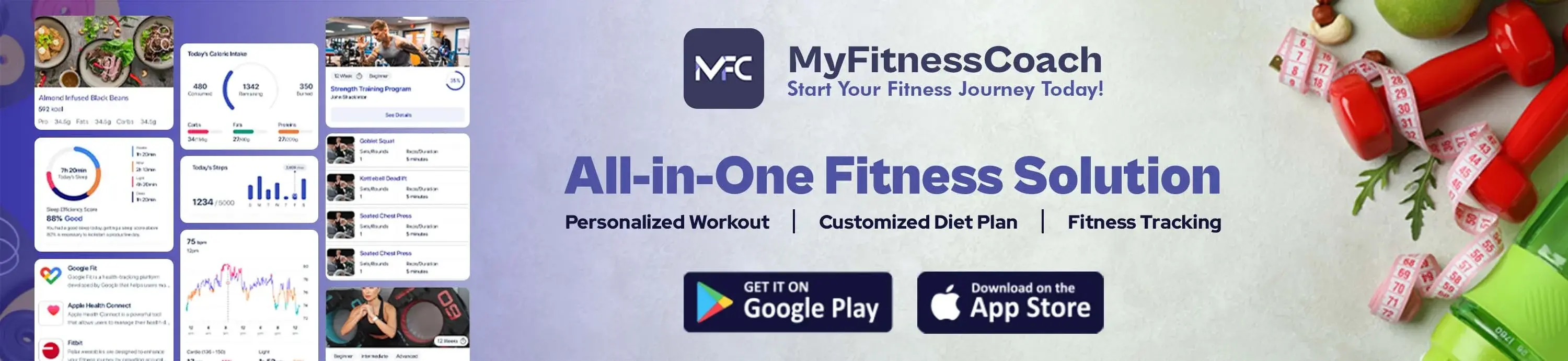
With MyFitnessCoach, you can customize your workout plan, track your progress, and set personal goals to stay motivated. Whether you're a beginner or a seasoned athlete, our app allows you to adjust workout intensity and frequency, so you’re always challenged and engaged. Plus, with built-in rest timers and interval alerts, "MyFitnessCoach" helps you maintain the optimal rhythm needed to get the most out of every HIIT session.
Similar Articles
Stay informed with these similar articles.

MyFitnessCoach
November 23, 2023
The Benefits of HIIT Workouts for Beginners - Explained
High-Intensity Interval Training, or HIIT, is a powerful way to work out that is becoming more and more popular among fitness fans, especially newcomers who want to find quick and effective workouts. This type of dynamic exercise combines short bursts of intense action with short rest periods. This is good for your health in many ways. We're going to learn about HIIT workouts for beginners and talk about why they can change the way you work out.

MyFitnessCoach
January 2, 2025
How to Get the Most Out of a HIIT Workout?
High-Intensity Interval Training (HIIT) has become one of the most popular ways to exercise, and for good reason! It’s quick, effective, and great for burning calories and building endurance. But how do you ensure you’re maximizing your time and effort during a HIIT workout? This guide will walk you through everything you need to know to get the most out of your sessions. With tips from the MyFitnessCoach app, you'll learn how to make your workouts count.

MyFitnessCoach
July 31, 2023
Tabata: High-Intensity Interval Training Workouts
A healthy lifestyle is crucial for sustaining good health and overall well-being. There are countless exercises and training methods available for fitness routines. People often get confused to choose the best fit and the most effective one for their fitness needs. However, one method that has gained immense popularity in recent years is Tabata training. This training method is developed by Japanese scientist. This high-intensity interval training (HIIT) approach has captured the attention of fitness enthusiasts worldwide. In this article, we will thoroughly study the history, principles, benefits, and some popular Tabata exercises that can help you achieve your fitness goals.