
What is Foam Rolling, and How Does It Help Recovery?
MyFitnessCoach
December 19, 2024
If you’re on a fitness journey or exploring new ways to recover after workouts, you’ve probably heard about foam rolling. But what is foam rolling, and how does it help recovery? In this article, we’ll dive deep into this incredible recovery tool and how it can fit seamlessly into your routine—especially with the help of the MyFitnessCoach app.
Understanding Foam Rolling
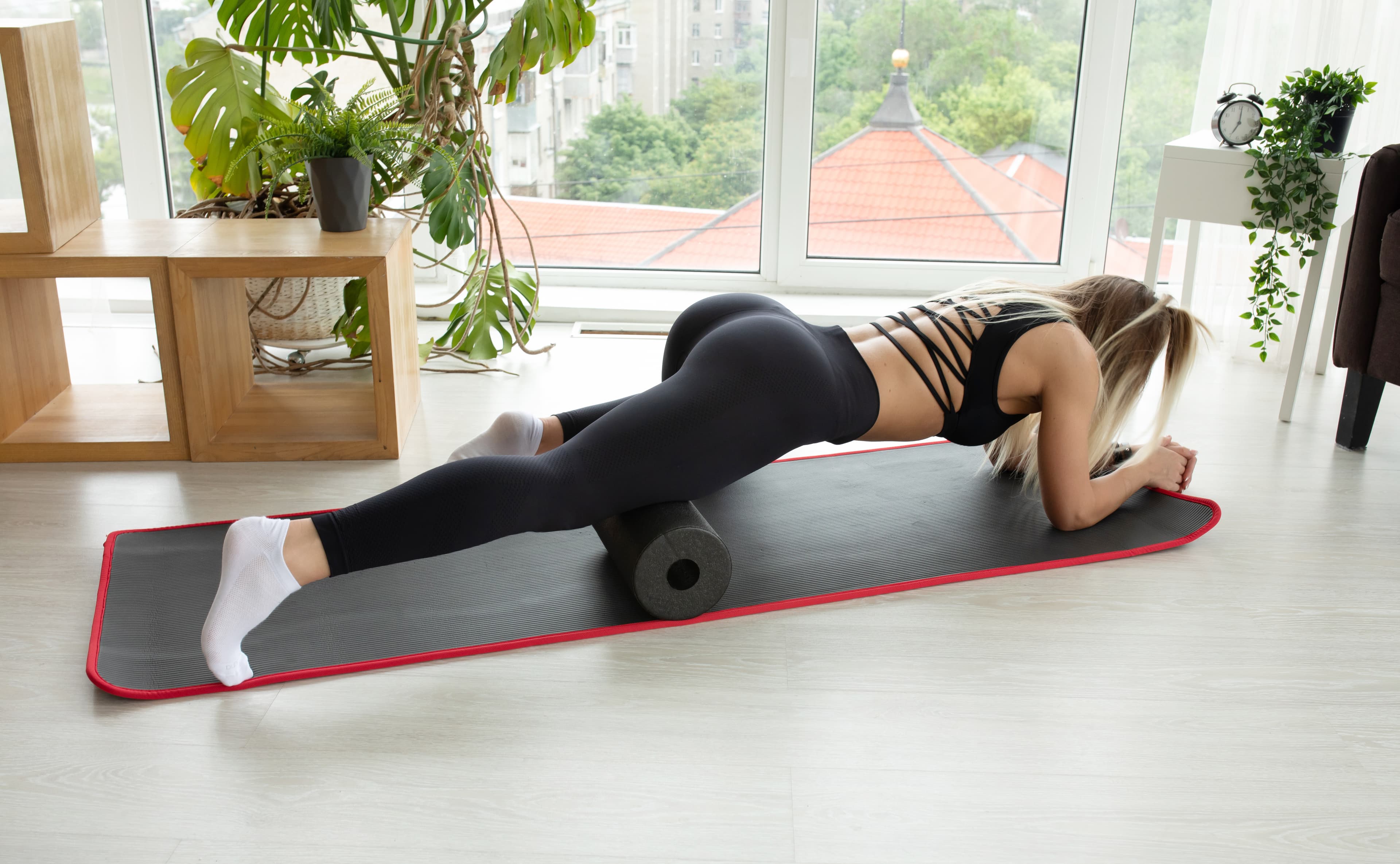
Foam rolling is a form of self-myofascial release (SMR). Essentially, it involves using a foam roller to apply pressure to specific muscles and soft tissues in your body. This pressure helps release tension, break up knots, and improve blood flow to the targeted area. Think of it as giving your muscles a deep tissue massage—but without the hefty price tag.
Foam rollers come in different shapes, sizes, and densities. From smooth rollers to textured ones with ridges or knobs, there’s a type to suit everyone’s preferences and recovery needs. Using one can be as simple as rolling back and forth on sore muscles, but the results can be profound for recovery, flexibility, and overall performance.
How Does Foam Rolling Help Recovery?
After an intense workout, your muscles can feel tight and sore due to micro-tears caused by physical exertion. Foam rolling targets these areas to:
- Reduce Muscle Soreness: Foam rolling promotes blood flow, which helps carry oxygen and nutrients to your muscles. This speeds up recovery and reduces delayed-onset muscle soreness (DOMS).
- Improve Flexibility: By loosening tight muscles and breaking up adhesions, foam rolling can help you move more freely. Greater flexibility means better performance during workouts and reduced risk of injuries.
- Release Tension and Knots: Your muscles can develop trigger points or knots due to stress, overuse, or poor posture. Foam rolling applies direct pressure to these areas, helping them release and relax.
- Boost Circulation: Foam rolling stimulates blood flow, which aids in faster removal of toxins and lactic acid buildup.
- Enhance Range of Motion: Consistent foam rolling improves joint mobility, making your movements smoother and more efficient during workouts.
Foam Rolling Techniques for Maximum Benefits
Here are some basic foam rolling techniques to get you started:
1. Hamstring Roll
- Sit on the floor with your foam roller under your thighs.
- Roll slowly from just below your glutes to just above your knees.
- Pause and apply pressure on tender spots for 20-30 seconds.
2. Calf Roll
- Place the foam roller under your calves while sitting on the floor.
- Use your hands to lift your hips and slowly roll from your ankles to your knees.
- Rotate your legs slightly to target different areas.
3. Upper Back Roll
- Lie on your back with the foam roller under your shoulder blades.
- Cross your arms over your chest and lift your hips slightly.
- Roll from the top of your shoulders to the middle of your back.
4. IT Band Roll
- Lie on your side with the foam roller under your outer thigh.
- Support your body with your opposite leg and arm.
- Roll from your hip to just above your knee.
5. Quad Roll
- Lie face down with the foam roller under your thighs.
- Use your forearms to support your upper body as you roll from your hips to just above your knees.
Foam Rolling and the MyFitnessCoach App
The MyFitnessCoach app is your ultimate companion for foam rolling and recovery. With step-by-step video tutorials, personalized routines, and recovery tips, the app ensures you’re using the foam roller effectively and safely. Whether you’re a beginner or a seasoned athlete, you’ll find tailored advice to suit your goals.
The app also lets you track your recovery progress, integrate foam rolling into your fitness plan, and access expert tips to prevent injuries. Plus, with reminders to include foam rolling in your daily routine, it’s easier than ever to stay consistent.
Common Foam Rolling Mistakes to Avoid
To get the most out of foam rolling, steer clear of these common errors:
- Rolling Too Fast: Slow and controlled movements are key. Rushing through the process reduces the effectiveness.
- Skipping Tender Spots: If you find a sore spot, don’t avoid it. Pause and apply pressure until the discomfort lessens.
- Using Too Much Pressure: Start with a softer foam roller and gradually increase intensity as your body adapts.
- Rolling Over Joints: Avoid rolling directly over bones or joints to prevent injury.
- Inconsistent Practice: Like any recovery tool, consistency is crucial. Aim to foam roll at least 3-4 times a week.
Foam Rolling: Perfect for Everyone
No matter your fitness level, foam rolling offers something for everyone:
- Athletes: Enhance performance and reduce recovery time.
- Beginners: Ease muscle soreness and prevent stiffness after starting a new routine.
- Busy Professionals: Relieve tension from sitting all day.
- Seniors: Improve flexibility and mobility.
Foam rolling is an easy, effective, and affordable way to improve recovery, reduce soreness, and boost overall performance. Incorporating it into your routine doesn’t have to be complicated, especially with tools like the MyFitnessCoach app to guide you every step of the way.
Ready to feel better, move better, and recover faster? Download the MyFitnessCoach app today and unlock your full potential with foam rolling and more!
Similar Articles
Stay informed with these similar articles.

MyFitnessCoach
December 19, 2024
How Do I Safely Increase Workout Intensity?
Are you ready to take your fitness routine to the next level but worried about pushing yourself too hard? Increasing workout intensity is an excellent way to build strength, improve endurance, and achieve your fitness goals faster. However, it's essential to do it safely to avoid injuries or burnout. In this guide, we’ll explore step-by-step strategies to safely increase workout intensity, relate it to the features of the MyFitnessCoach app, and answer some common questions.
MyFitnessCoach
December 19, 2024
Prehab Rehab Workouts for Preventing and Recovering from Injury
In the world of fitness, the terms prehab and rehab workouts are becoming increasingly popular as more individuals focus on injury prevention and recovery. Whether you're an athlete, a weekend warrior, or someone who just wants to stay active, understanding these concepts can greatly improve your overall fitness journey. In this article, we will explore the importance of prehab and rehab workouts, how they differ, and how incorporating them into your routine can enhance your performance and help you recover faster. We’ll also discuss how the MyFitnessCoach app offers features to guide you through effective prehab and rehab exercises for a healthier, injury-free life.
MyFitnessCoach
December 23, 2024
What is Plyometric Training, and Who Should Do It?
Plyometric training, often referred to as "jump training" or "plyos," is a dynamic form of exercise that focuses on explosive movements. By combining strength and speed, plyometric exercises help improve power, agility, and overall athletic performance. This type of training is especially popular among athletes, but it can benefit anyone who wants to enhance their fitness levels.