
How Can I Create a Balanced Workout Plan?
MyFitnessCoach
December 11, 2024
Creating a balanced workout plan is essential for anyone aiming to achieve their fitness goals, improve overall health, and maintain a sustainable routine. A well-rounded workout plan incorporates different types of exercises, aligns with your personal goals, and fits seamlessly into your lifestyle. Let’s explore the key steps to creating a balanced workout plan that keeps you motivated and consistent.
Table of Contents
Subscribe to our newslettter
1. Set Clear Goals
Before designing your workout plan, define your fitness goals. Are you looking to lose weight, build muscle, improve flexibility, or enhance endurance? Your goals will shape your workout structure. For instance:
- Weight Loss: Prioritize cardio and strength training.
- Muscle Building: Focus on weightlifting and resistance training.
- Flexibility and Recovery: Include yoga and stretching sessions.
Clear goals help you stay focused and measure progress effectively.
2. Include the Four Pillars of Fitness
A balanced workout plan should include these four types of exercises to ensure all aspects of fitness are addressed:
a. Cardiovascular Exercise
Cardio improves heart health, boosts endurance, and aids calorie burning. Activities like running, cycling, swimming, or brisk walking are excellent cardio options. Aim for 150–300 minutes of moderate-intensity or 75–150 minutes of vigorous-intensity cardio weekly.
b. Strength Training
Building muscle is crucial for improving metabolism, supporting bone health, and enhancing functional strength. Incorporate strength training exercises like squats, lunges, push-ups, and deadlifts. Include strength workouts 2–3 times per week, ensuring to target all major muscle groups.
c. Flexibility and Mobility
Stretching and mobility exercises prevent injuries, enhance posture, and improve range of motion. Yoga, Pilates, or simple dynamic stretches can be included 2–3 times weekly.
d. Balance and Stability
Balance training enhances coordination and prevents falls, especially important as we age. Try exercises like single-leg stands, stability ball workouts, or tai chi 1–2 times per week.
3. Gradually Increase Intensity
Progression is key to seeing results. Gradually increase the intensity, duration, or frequency of your workouts. This might mean lifting heavier weights, running a longer distance, or adding an extra workout day. However, listen to your body and avoid overtraining, which can lead to fatigue and injury.
4. Prioritize Recovery
Recovery is as important as exercise. Overtraining without rest can hinder progress and increase injury risk. Include these elements in your recovery routine:
- Sleep: Aim for 7–9 hours of quality sleep nightly to allow your muscles to repair and grow.
- Hydration: Drink plenty of water to support optimal body function.
- Nutrition: Fuel your body with balanced meals, including proteins, healthy fats, and complex carbs.
- Active Recovery: Engage in low-intensity activities like walking or yoga to keep your body moving on rest days.
5. Make Workouts Enjoyable
Consistency is easier when you enjoy your workouts. Experiment with different activities to find what you love—dance classes, group sports, outdoor hiking, or even home-based exercises.
6. Track Your Progress
Regularly monitor your fitness progress to stay motivated. You can:
- Keep a workout journal.
- Use fitness apps to track your performance.
- Take progress photos or measure body composition changes.
Tracking provides tangible evidence of your hard work and highlights areas needing adjustment.
7. Stay Flexible
Life can be unpredictable, and it’s okay to modify your plan when needed. If you miss a session, adjust your schedule rather than abandoning your routine altogether.
8. Consult Professionals
If you’re unsure how to start or need guidance, consider consulting a personal trainer, physiotherapist, or fitness coach. They can create a personalised plan tailored to your needs and help you avoid common mistakes.
9. Leverage Technology to Simplify Your Fitness Journey
Fitness apps like MyFitnessCoach can be a game-changer in helping you create and maintain a balanced workout plan. With customizable workout schedules, guided HIIT sessions, and progress-tracking features, MyFitnessCoach is designed to make fitness accessible and fun for everyone. Whether you're a beginner or an experienced athlete, this app can adapt to your goals and keep you motivated with professional-grade resources.
Creating a balanced workout plan isn’t about rigid routines or perfection; it’s about tailoring a program that works for you. By combining cardio, strength, flexibility, and balance training, and prioritising rest and recovery, you’ll achieve a sustainable fitness lifestyle.

With the help of tools like MyFitnessCoach, your fitness journey can become streamlined and enjoyable, ensuring you stay on track toward your goals. Download the app today and take the first step toward creating a balanced workout plan tailored just for you!
Similar Articles
Stay informed with these similar articles.

MyFitnessCoach
December 21, 2023
The Ultimate Guide to the Best Power Building Program
A power building program is like a workout plan that mixes ideas from powerlifting and bodybuilding to help you get much stronger and build bigger muscles. Basically, you get both strong and look strong. In power building, you do exercises with lower reps and really heavy weights to boost your strength. These are the big moves like squats, bench press, and deadlifts. But it doesn't stop there! You also do more reps with lighter weights for other exercises that help those big moves and make your muscles look good. So, it's like hitting two birds with one stone – getting super strong and having muscles that turn heads.
MyFitnessCoach
June 27, 2023
Squats For Beginners: Build Lower Body Strength
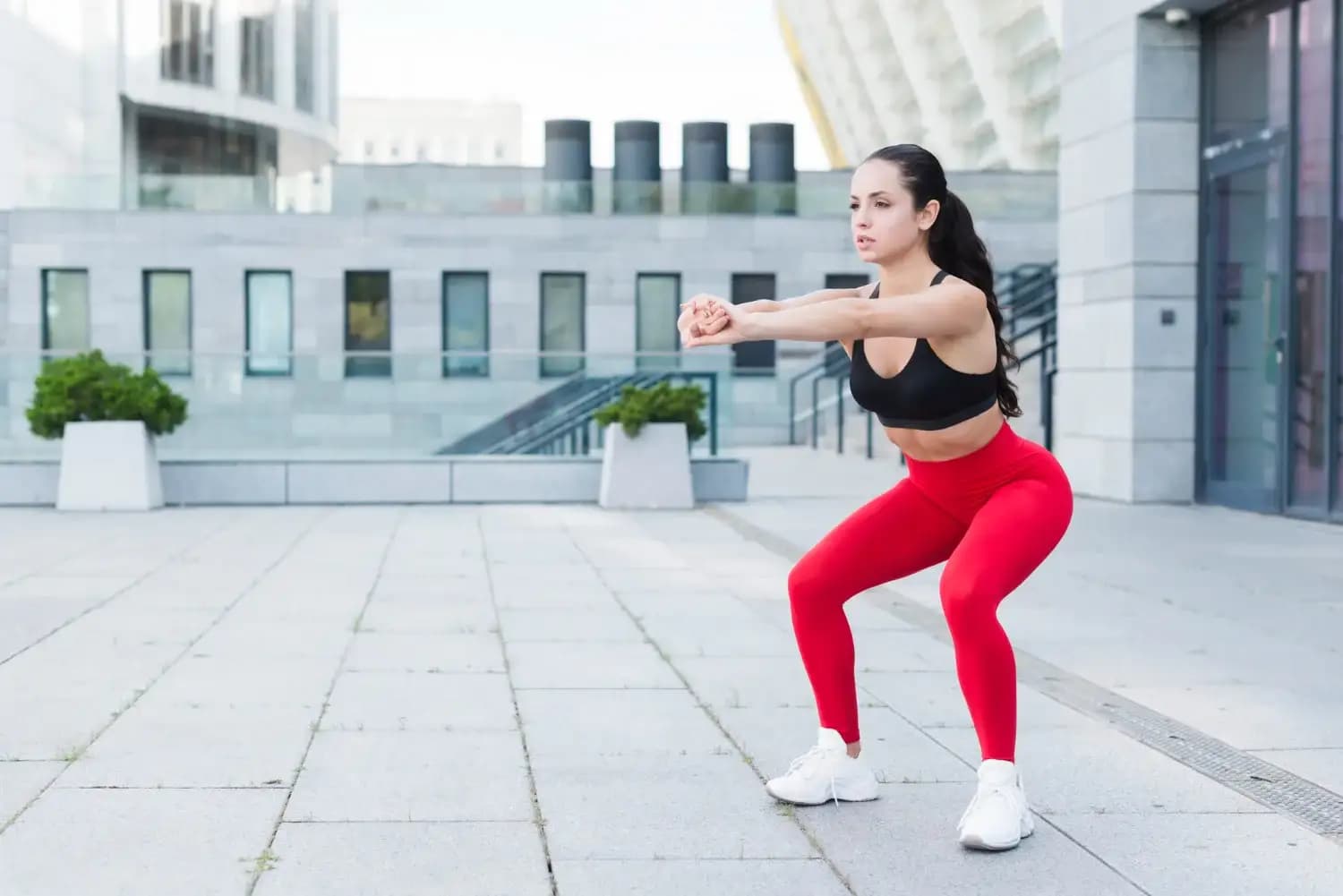
Squats are the best exercise for developing lower body strength. Squats are one of the most effective lower-body workouts. They work a variety of muscles, including the quadriceps, hamstrings, glutes, and core. Squats, whether you are a fitness enthusiast or a newbie, may provide several benefits to your training program. However, good form and technique are essential for maximizing benefits and avoiding injuries.This article aims to give a comprehensive instruction for beginners on how to execute squats, concentrating on proper technique, variations, frequent errors, and safety precautions. Let us not waste any more time and thoroughly examine squats:
MyFitnessCoach
December 11, 2024
Discover the Benefits of Group Fitness Classes
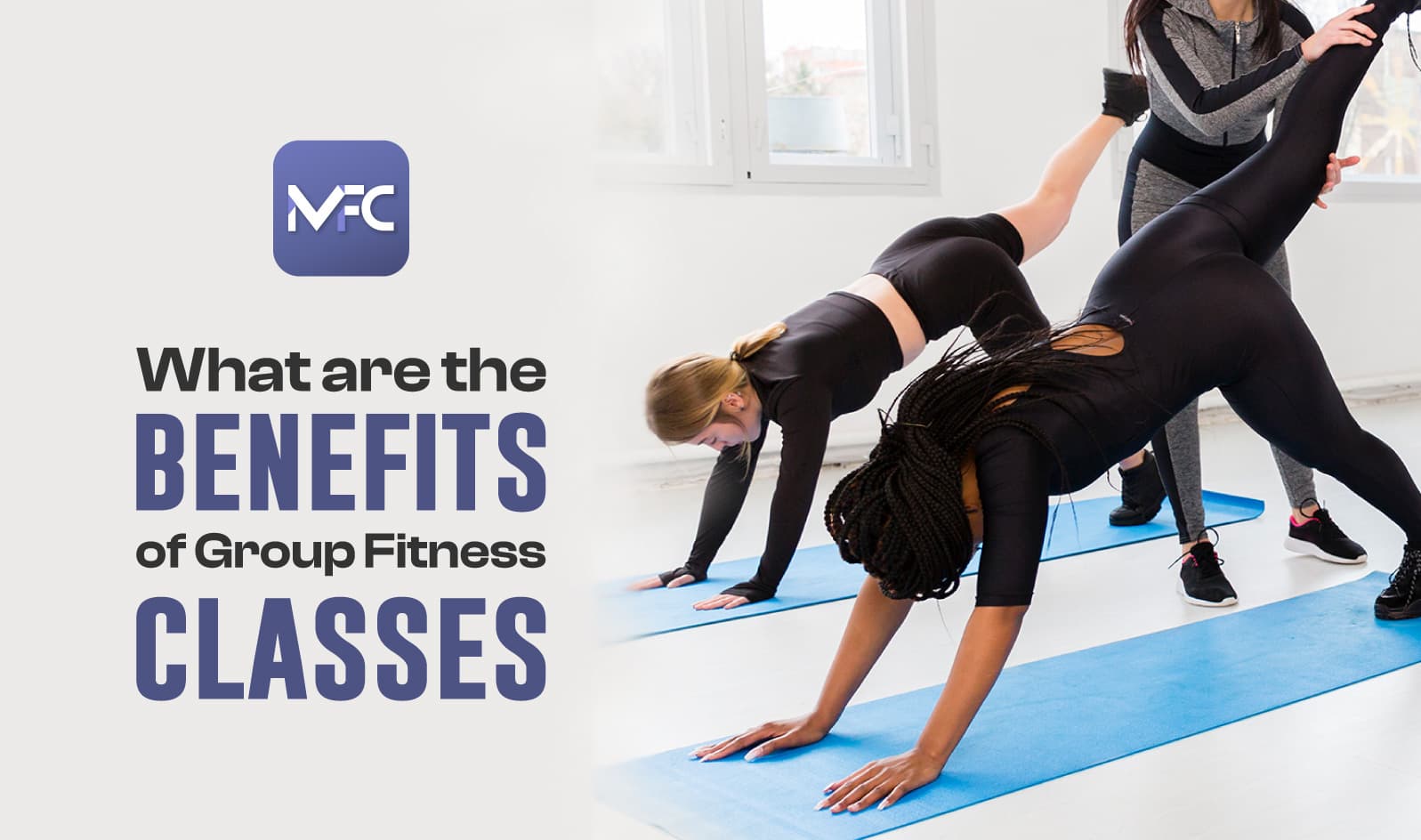
Group fitness classes have become increasingly popular, and for a good reason. These classes offer not only a structured way to exercise but also bring a host of physical, mental, and social benefits that make them stand out from solo workouts. Whether you're a beginner or a seasoned athlete, group fitness classes provide a supportive environment where you can work towards your goals while enjoying the company of like-minded people. In this article, we'll explore the many benefits of group fitness classes and why they might be the ideal addition to your workout routine.