
Hammer Strength Press: Form, Weight and MTS
MyFitnessCoach
September 8, 2025
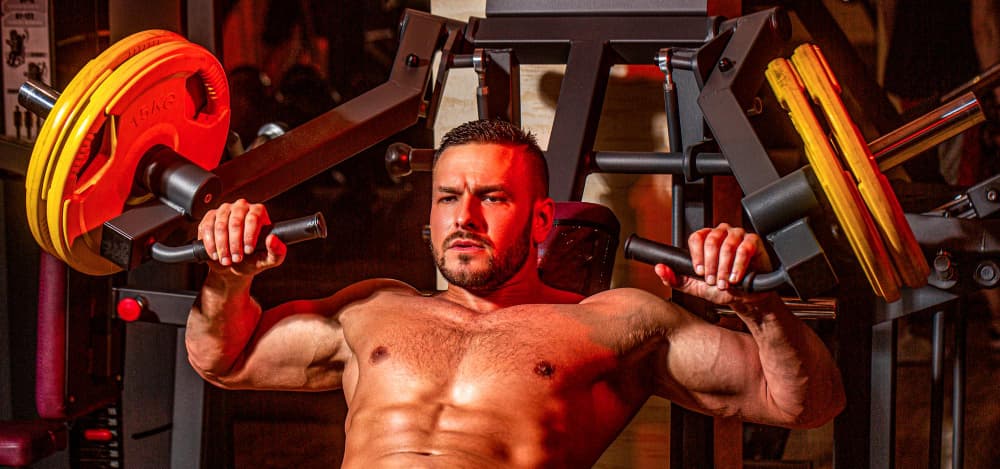
The Hammer Strength press is a seated chest machine with two independent arms that press forward on converging arcs. Set the seat so the handles sit at mid-chest, keep your back on the pad, press without locking your elbows and lower slowly. Start light, add weight until the last 2–3 reps are hard, and use 8–12 reps for muscle.
Key takeaways
- "Iso-lateral" means each arm moves on its own. MTS is the weight-stack version, and the plate-loaded version uses plates.
- In a 2023 meta-analysis, machines and free weights built similar muscle. Strength gains are specific to the exercise you train.
- There's no universal starting weight. Warm up, then pick the weight that makes the last 2–3 reps hard.

Table of Contents
Subscribe to our newslettter
What Is the Hammer Strength Press?
Hammer Strength is a brand of strength machines owned by Life Fitness. Its chest presses share one idea: Life Fitness calls it iso-lateral technology, with each arm moving independently on natural, converging arcs, so you can press both arms together, one at a time, or alternating.
| Type | Loaded with | Notes |
| Plate-loaded iso-lateral press | Weight plates | Flat, incline and decline versions |
| MTS iso-lateral chest press | Two weight stacks | One stack per arm |
| Select chest press | One weight stack | The arm adjusts to five positions |
What does MTS mean in Hammer Strength?
MTS stands for Motion Technology Selectorised. Life Fitness describes it as the motion of its plate-loaded machines in a weight-stack machine, with an independent stack for each limb. The MTS chest press has two 150 lb stacks, and its arms are counterbalanced so the arm's own weight doesn't add to the load.
How to Do the Hammer Strength Press
- Adjust the seat so the handles line up with the middle of your chest.
- Sit with your back flat on the pad, feet flat on the floor and shoulder blades pulled back.
- Grip the handles and press forward until your arms are almost straight. Don't lock your elbows.
- Pause briefly, then lower slowly and stop before the weights touch down.
- Keep both arms moving at the same speed.
On a plate-loaded machine, change plates one side at a time so the machine doesn't tip. These steps follow Planfit's guides and Stronger's.
What Is the Starting Weight on a Chest Press?
There's no standard number. Machines differ, and so do people. On an MTS machine the arms are counterbalanced, so the weight you select is what you lift. On a plate-loaded machine, the arms themselves may add load, so check the machine's placard.
How to find yours: do one or two light warm-up sets, then add weight until the last 2–3 reps of a set of 8–12 are hard but clean. These ranges come from trainers quoted by Parade, and they are common practice, not trial results.
| Goal | Sets × reps | Rest |
| Strength | 3–4 × 4–6 | 3+ min |
| Muscle | 3–5 × 8–12 | 60–90 sec |
Use double progression: reach the top of the rep range on every set, then add the smallest weight jump. Weight numbers aren't comparable between machines or gyms, so log the machine along with the weight.
Is the Hammer Strength Press the Same as the Bench Press?
Both work your chest, shoulders and triceps, but they aren't identical.
| Hammer Strength press | Bench press | |
| Arms | Move independently | Move together on one bar |
| Path | Guided arc | Free |
| Setup | Adjust the seat | Lie flat |
| Spotter | Usually not needed | Often wanted |
A 2023 meta-analysis of 13 studies with 1,016 adults found no difference in muscle growth between free-weight and machine training, though only 5 of the studies measured it. Strength gains were specific to the exercise trained: free-weight training raised free-weight strength more. So if you want a bigger barbell bench, train it. If you want chest size, both work.
Is the machine safer? You'll often read that it is. The same paper says it's uncertain whether injury risk differs between the two. A guided path can feel easier to control, but pushing too heavy can still strain your shoulders.
Variations
| Version | Aims at | Related |
| Incline press | Upper chest | Incline bench workouts |
| Decline press | Lower chest | Chest dips |
| One-arm press | One side at a time | Lighter weight, same form |
Mistakes and Fixes
These tips are common practice, not study results.
| Mistake | Fix |
| Seat too high or low | Handles at mid-chest |
| Locking your elbows | Stop just short |
| Shoulders shrugging | Pull shoulder blades back |
| Arching your back | Keep your back on the pad |
| Slamming the weight stack | Lower slowly |
| One arm doing more | Lower the weight, or press one arm at a time |
Where It Fits in a Chest Workout
Do it first when you want to lift heavy and focus on your chest, or later to finish your chest after free weights. A simple chest day:
| Exercise | Sets × reps |
| Flat bench press | 3 × 8 |
| Incline dumbbell press | 3 × 10 |
| Hammer Strength press | 3 × 12 |
| Cable fly | 3 × 15 |
A 2017 meta-analysis linked 10 or more weekly sets per muscle to more growth, so count your chest sets across the week. No Hammer machine at your gym? Try the chest workout machine guide, a cable chest workout, the incline dumbbell press or the dumbbell floor press.
Track It in MyFitnessCoach
Machine weights change between gyms and brands, so a number alone doesn't tell you much. In MyFitnessCoach, you can log every set, reps and weight in the workout logger, note which machine you used, see your progress in graphs and get reminders when it's time to add weight or reps. See our progressive overload guide.
The Bottom Line
Set the seat at mid-chest, find a weight where the last reps are hard, count your weekly sets and log which machine you used. The machine builds muscle as well as free weights. It just doesn't replace training the lifts you want to improve.
Log your chest days inMyFitnessCoach so you can see your numbers climb.
This article is for general information and isn't medical advice. Stop if you feel sharp pain. If you have a shoulder, elbow or chest injury, talk to a qualified professional before training.
Frequently Asked Questions
Similar Articles
Stay informed with these similar articles.
MyFitnessCoach
November 3, 2025
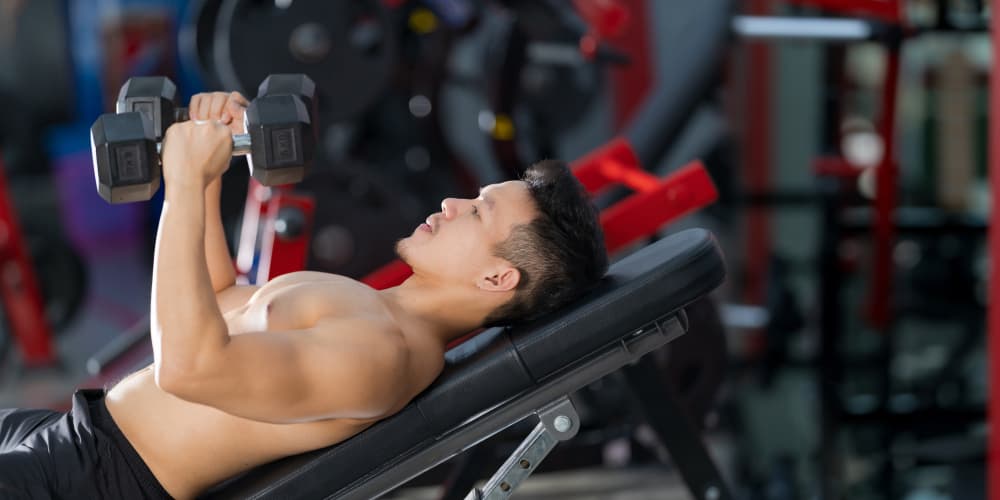
Top 5 Incline Bench Workouts for Upper Chest with Dumbbell & Barbell
If you’ve been looking for ways to make your upper body workouts more effective, incline bench workouts are one of the best places to start. They help target muscles that standard flat bench presses often miss, especially your upper chest, shoulders, and triceps. Whether you’re a beginner or already experienced in strength training, adding incline bench exercises to your routine can level up your results.
MyFitnessCoach
July 29, 2025
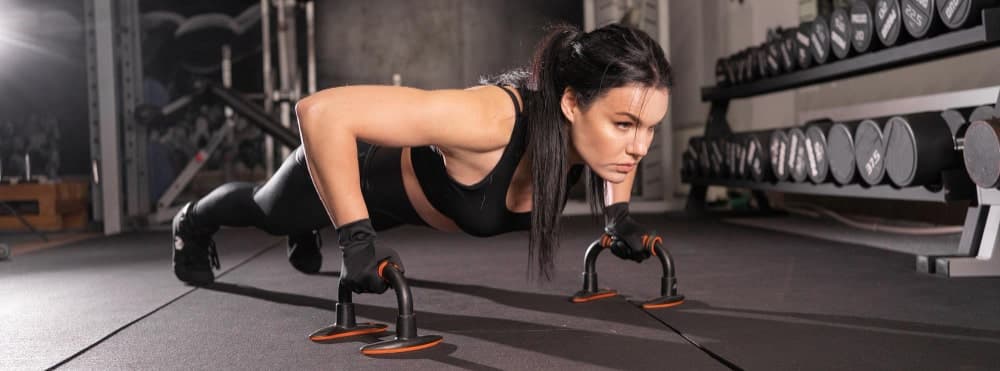
Chest Dips: 5 Major Benefits, Muscle Worked & How to Perform
If you're looking for a bodyweight move that targets your chest, shoulders, and triceps all in one, chest dips are one of the best exercises out there. This movement not only builds muscle but also helps improve upper body control and balance. Whether you're a beginner or advanced, chest dips can be modified to match your fitness level.
MyFitnessCoach
July 1, 2025
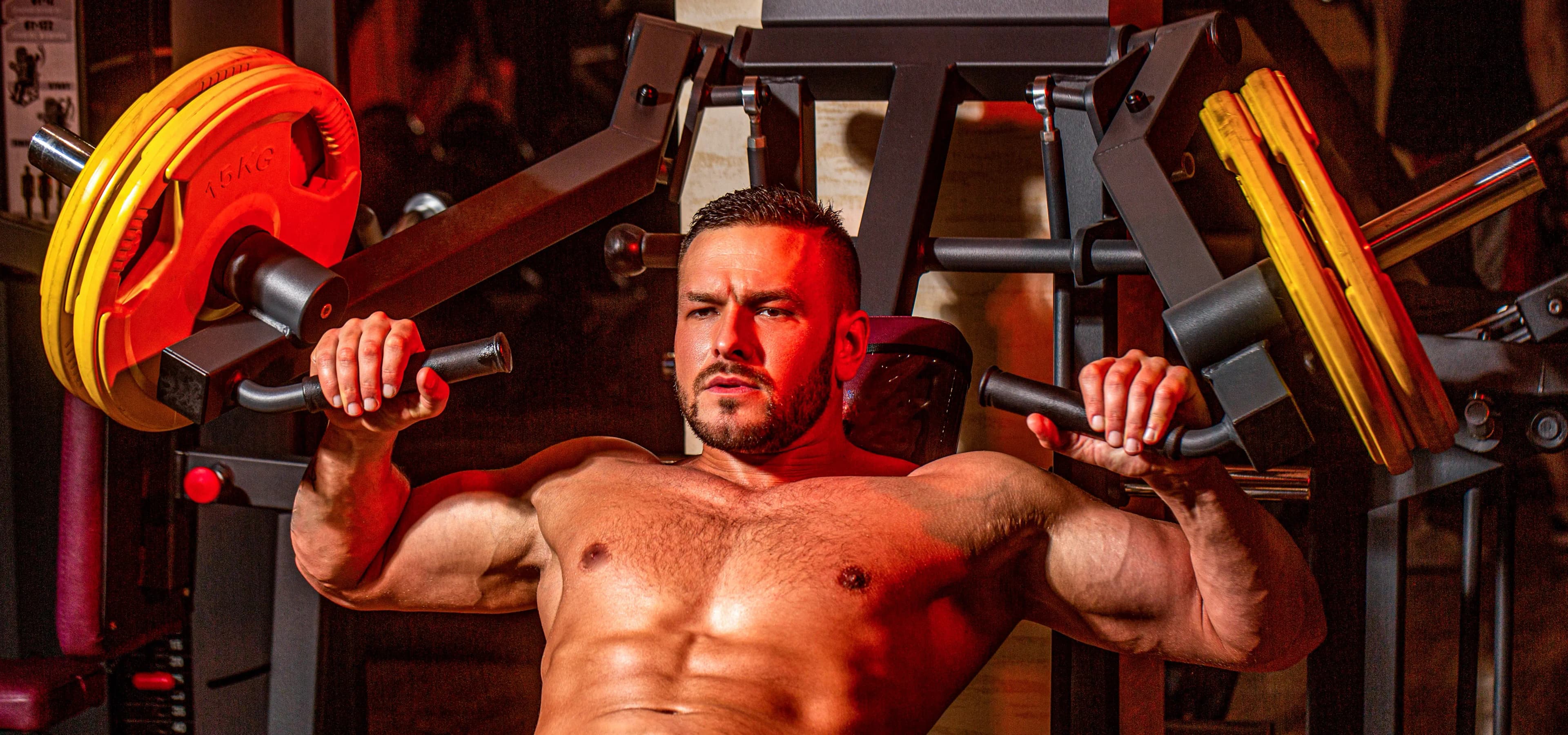
Top 4 Chest Workout Machines & How To Use
Want to build a strong chest that helps you stand tall and feel confident? You’re in the right place. Using a chest workout machine is a smart and easy way to grow your chest muscles. Whether you’re new to fitness or have been working out for a while, machines make chest exercises safer and easier to learn.