
Top 10 Gymnastic Leg Exercises: Benefits & Tips

MyFitnessCoach
November 19, 2025
Gymnasts are known for strong, powerful, and flexible legs. Whether it’s explosive tumbling, stable handstands, high jumps, or smooth transitions, leg strength plays a big role in gymnastics. The good news is that you do not need a gym or advanced equipment to start building the kind of leg power gymnasts have. You only need the right exercises and a consistent routine.
This guide explains the most effective gymnastic leg exercises, why they work, and how you can train them safely at home. Even though MyFitnessCoach does not offer a dedicated “gymnastics program,” the app provides bodyweight workouts, balance training, flexibility routines, Pilates, Yoga, lower-body strength sessions, and mobility exercises that directly support gymnastics training.
By the end of this article, you will understand how to build strong legs like a gymnast and how MyFitnessCoach can help you structure your progress.
Table of Contents
Subscribe to our newslettter
Why Gymnastic Leg Exercises Matter
Gymnasts rely on their legs for almost everything they perform. Strong legs help in:
- Jumping higher
- Landing softly
- Holding positions longer
- Moving with control
- Improving flexibility
- Preventing injuries
Gymnastics is a sport that demands power, balance, and mobility at the same time. That means your leg training should develop strength, stability, and flexibility, not just muscle size.
Benefits of Training Like a Gymnast
Build Functional Strength
Gymnastic leg exercises train muscles in natural movement patterns. This strength carries over into daily life and other sports.
Improve Body Control
Exercises that build balance and stability help you move your body more precisely. This is useful for handstands, jumps, kicks, and floor routines.
Increase Flexibility
Gymnastics requires flexible hamstrings, quads, hip flexors, and glutes. This flexibility also reduces injury risk.
Enhance Explosive Power
Movements like jumps, bounds, and dynamic leg drills train the fast-twitch fibres needed for explosive takeoffs.
Strengthen Tendons and Joints
Gymnastic-style training improves ankle, knee, and hip strength for long-term stability.
Best Gymnastic Leg Exercises
Below are the most effective gymnastic leg exercises you can perform at home using only your bodyweight. Each movement builds different aspects of a gymnast’s lower-body strength.
Strength-Based Gymnastic Leg Exercises
These exercises focus on building raw strength in the legs.
Single-Leg Squats (Pistol Squats)
Pistol squats develop enormous quad and glute strength while challenging balance.
How to Do It:
- Stand tall on one leg.
- Extend your other leg forward.
- Lower yourself slowly into a squat.
- Rise back up with control.
Why Gymnasts Use It: It improves balance, leg power, ankle mobility, and coordination.
Bulgarian Split Squats
This is one of the most effective leg exercises for stability and unilateral strength.
How to Do It:
- Place one foot behind you on a step or chair.
- Lower into a lunge position.
- Push through your front leg to stand.
Benefits: Targets quads, glutes, and hamstrings while improving hip stability.
Nordic Curls (Assisted)
Gymnasts often use Nordic curls to develop strong hamstrings, which help in tumbling and landing.
How to Do It:
- Kneel on a soft surface.
- Anchor your feet under something stable.
- Lean forward slowly, keeping your body straight.
- Use your hands lightly to catch yourself.
Benefits: Builds hamstring strength and reduces injury risk.
Power and Explosive Gymnastic Leg Exercises
Gymnastics requires explosive takeoffs, jumps, and rotations.
Broad Jumps
A simple but powerful way to build explosive power.
How to Do It:
- Start in a squat stance.
- Jump forward as far as possible.
- Land softly.
Why It Works: Improves power for jumps, flips, and sprinting.
Tuck Jumps
A fundamental power drill for gymnasts.
How to Do It:
- Jump straight up.
- Bring your knees to your chest.
- Land lightly.
Benefits: Builds leg explosiveness and core coordination.
Split Jumps
These help with leaps and floor routines.
How to Do It:
- Jump and switch legs mid-air.
- Land softly and repeat.
Benefits: Improves balance, power, and hip mobility.
Box Jumps (Optional if You Have a Step)
If you have a sturdy platform, box jumps help with explosiveness and landing control.
Balance and Stability Gymnastic Leg Exercises
Gymnasts must control their bodies in complex positions. These exercises help develop stability.
Single-Leg Balance Hold
Stand on one leg for as long as possible. Beginners may start with eyes open, advanced users with eyes closed.
Single-Leg Romanian Deadlift
How to Do It:
- Stand on one leg.
- Lean your torso forward while lifting your other leg back.
- Return to standing.
Benefits: Stabilises the hips and improves hamstring strength.
Side Leg Raises
Useful for improving hip strength and control.
Flexibility-Focused Gymnastic Leg Exercises
Flexibility is essential for gymnastic movements.
Front Split Stretch
Helps improve hamstring and hip flexor flexibility.
Middle Split Stretch
Perfect for improving lower-body mobility for kicks and leaps.
Hamstring Floor Stretch
Helps improve forward fold flexibility.
A Sample Gymnastic Leg Routine You Can Do at Home
This routine combines strength, power, flexibility, and stability.
Warm-up (5 Minutes)
- Light jogging
- Leg swings
- Hip circles
Strength (10 Minutes)
- Pistol squats (or supported pistols)
- Bulgarian split squats
- Nordic Curl
Explosiveness (7 Minutes)
- Broad jumps
- Tuck jumps
- Split jumps
Balance and Stability (5 Minutes)
- Single-leg balance holds
- Single-leg Romanian deadlifts
Flexibility (8 Minutes)
- Front splits
- Middle splits
- Hamstring stretch
- Total time: 30–35 minutes.
How MyFitnessCoach Supports Gymnastic Leg Training
Even though MyFitnessCoach does not offer a specific gymnastics training section, it has everything you need to improve leg strength, power, balance, and flexibility for gymnastics performance.
Here’s how:
Bodyweight and Strength Workouts
Gymnastic leg exercises rely heavily on bodyweight. MyFitnessCoach includes:
- Calisthenics plans
- Leg-focused home workouts
- Lower-body strength routines
- Full-body functional workouts
These programs help you build the same foundation gymnasts develop.
Flexibility and Mobility Options
Gymnastics needs flexibility, and MyFitnessCoach includes:
- Yoga flows
- Mobility routines
- Flexibility sessions
- Pilates programs
These help improve range of motion, posture, and control.
Balance and Core Development
MyFitnessCoach workouts include many core and stability-focused movements, such as:
- Planks
- Glute bridges
- Single-leg exercises
- Pilates core sessions
A strong core directly supports gymnastic movement.
Workout Logger for Tracking Progress
Gymnastic training requires long-term consistency.
The app’s Workout Logger helps you:
- Track sets, reps, and progress
- Log bodyweight routines
- Record flexibility improvements
- Stay consistent with routines
Custom Workout Builder
If you want to create your own gymnastic-style routine, MyFitnessCoach lets you:
- Select any exercises
- Build a full lower-body session
- Adjust reps and rest
- Save your custom gymnastics leg workout
This is ideal for users who want to integrate gymnastics-style training into their fitness plan.
Nutrition Support for Better Performance
Gymnastics requires good nutrition for:
- Muscle recovery
- Fat loss
- Energy levels
- Improved strength
MyFitnessCoach includes:
- Food Logger
- Barcode Scanner
- Diet Plans
- Recipe explorer
These help fuel your training properly.
Gymnastic leg exercises build powerful, flexible, and balanced legs. You can train like a gymnast from home by following strength, power, mobility, and stability movements. While MyFitnessCoach does not have a dedicated gymnastics program, its wide range of bodyweight workouts, Yoga, Pilates, strength sessions, and custom workout tools make it perfect for supporting gymnastic leg development.
If you want structured routines, easy tracking, and full-body balance, MyFitnessCoach is one of the best choices for improving lower-body performance.
Frequently Asked Questions
Similar Articles
Stay informed with these similar articles.
MyFitnessCoach
May 9, 2025
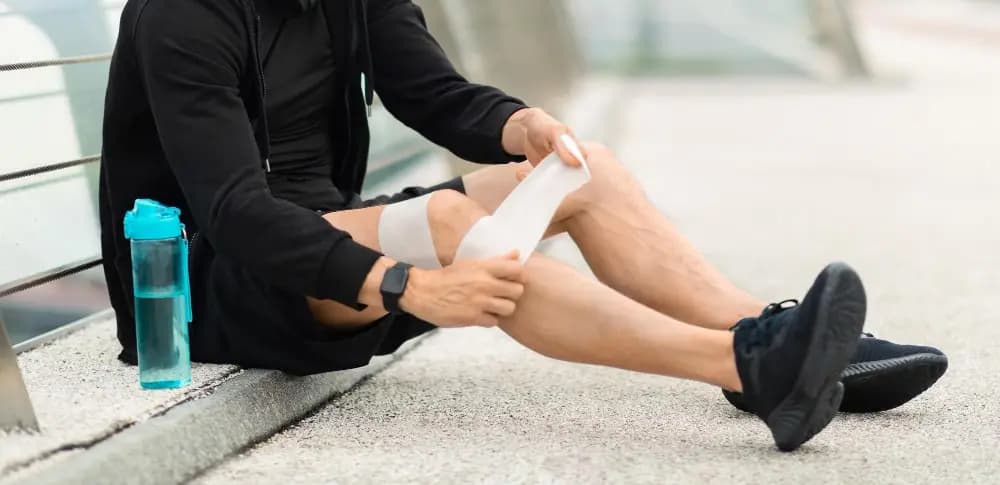
Why Kneecaps Sweat? 5 Surprising Causes & Proven Fixes
Ever noticed your knees getting sweaty for no reason? You're not alone. Sweaty kneecaps might seem odd, but they're more common than you think.
MyFitnessCoach
March 6, 2025
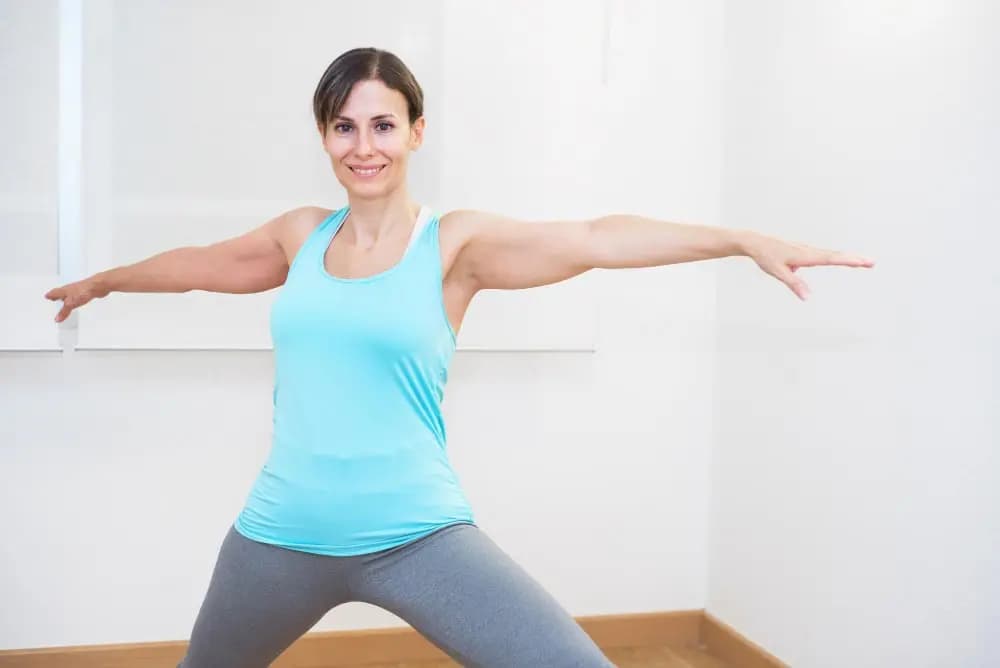
Arm Swing Exercise: Effective Way to Boost Your Fitness
When it comes to fitness, we often think of intense workouts, heavy lifting, or long runs. But what if I told you that a simple exercise like arm swings could be just as effective in improving your overall fitness? Arm swing exercises are easy to do, require no equipment, and can be done anywhere. Whether you're a beginner or a fitness enthusiast, arm swings can help you improve flexibility, strength, and even cardiovascular health. In this article, we’ll explore the benefits of arm swing exercises, how to do them correctly, and how you can incorporate them into your fitness routine using the MyFitnessCoach app.
MyFitnessCoach
February 24, 2025
Best Deodorant for Athletes: Stay Fresh During Your Workouts
When you're an athlete or someone who loves to stay active, staying fresh and odor-free is a top priority. Whether you're hitting the gym, running a marathon, or sweating it out during a high-intensity workout, the right deodorant can make all the difference. But with so many options available, how do you choose the best deodorant for athletes? In this article, we’ll break down everything you need to know about finding the perfect deodorant to keep you feeling confident and fresh, no matter how intense your workout gets. Plus, we’ll show you how the MyFitnessCoach app can help you stay on top of your fitness game.