
Good Morning Exercise: Form, Mistakes & 6 Easy Variations

MyFitnessCoach
October 22, 2026
Good morning is a hip-hinge exercise: you push your hips back and lean your torso forward with a slight knee bend, then stand back up. It trains the hamstrings, glutes and lower-back muscles. It can be done with bodyweight, dumbbells, a band or a barbell on your upper back.
Most problems come from the angle: a rounded back, knees that keep bending, or hips that never move. This guide shows how to test your hinge first, fix those mistakes, pick a variation, and run a 10-minute good morning workout.
Key takeaways
- The good morning trains the hamstrings, glutes and back extensors. Use lighter loads than you would for a Romanian deadlift.
- Test your hip hinge with body weight first. If you can't hinge cleanly, don't add a bar.
- In trained lifters, heavier loads didn't change back or hip angle, but knee bend increased. Watch your knees as the weight goes up.
- No study found for this guide has measured injury rates for good mornings. The risk comes from form and load.

Table of Contents
Subscribe to our newslettter
Muscles Worked
| Muscle | Role |
| Hamstrings | Stretched and loaded as you lower |
| Glutes | Drive your hips forward |
| Erector spinae | Hold your spine in position |
| Core | Braces your trunk |
In a study of hamstring exercises, erector spinae activity in the good morning was similar to the Romanian deadlift and the prone leg curl, and lower than the glute-ham raise (McAllister 2014). A 2002 analysis cited by later researchers put peak spinal erector forces in the good morning at about 5,930 N, comparable to the clean, snatch, Romanian deadlift and bent-over row. It's a real back exercise.
How to Do Good Mornings (Step by Step)
- Stand with your feet about shoulder-width apart and a soft bend in your knees.
- Set the load. With a barbell, rest it across your upper trapezius, not on your neck. With bodyweight, place your hands behind your head or across your chest.
- Brace your core and keep your ribs down.
- Push your hips straight back, as if closing a car door with them. Keep the knee bend the same.
- Lower your torso until you feel a stretch in your hamstrings, or stop just before your back would round. For many people that's near parallel to the floor.
- Drive your hips forward to stand tall.
Breathing: breathe in on the way down, out on the way up. Tempo: about 2 to 3 seconds down, then up under control.
If you want a guide to follow, the workouts in MyFitnessCoach walk you through each exercise.
Angle Mistakes That Hurt Your Back
| Mistake | What happens | Fix |
| Back rounds at the bottom | Load shifts to the spine | Go less deep, use less weight |
| Knees keep bending | It becomes a squat | Keep one soft, fixed bend |
| Hips don't move back | You bend from the waist | Push hips back first |
| Bar on the neck | Pain, unstable bar | Place on upper traps |
| Looking up hard | Neck strain | Keep head in line |
| Too heavy | Form breaks | Lower the weight |
| Rushing down | Lose control | 2–3 seconds down |
Why watch your knees: in a PeerJ study of trained lifters, adding load tended to raise hamstring and spinal erector muscle activity and increased knee bend. Lumbar and hip angles showed no remarkable change between loads. So when the bar gets heavy, the first thing to drift may be your knees, which turns a good morning into something closer to a squat.
.webp)
Test Your Hip Hinge First
Do this before you add a bar. Both tests are common practice, not study results.
| Test | How | Pass if |
| Wall test | Stand a hand-length from a wall, push hips back until they touch it | Back stays flat, knees only soft |
| Dowel test | Hold a stick along your back (head, upper back, tailbone touching) | All three contacts stay as you hinge |
If you pass, start with bodyweight, then light dumbbells. If you don't, practice the drill until you do.
Which Variation Should You Use?
| Variation | Load | Best for |
| Bodyweight | None | Learning the hinge |
| Band | Light | Warm-up and feel |
| Seated | Bodyweight or light | Keeping hips in place |
| Dumbbell | Light to moderate | Most people |
| Barbell | Heavier | Experienced lifters |
| Smith machine | Fixed bar path | Less balance needed |
The seated and Smith machine versions are common practice, not tested head to head. For the Smith machine, see our guide to deadlifting on a Smith machine for setup and bar weight.
Good Morning vs Romanian Deadlift
| Good morning | Romanian deadlift | |
| Load position | Upper back | Hands |
| Erector spinae | Similar | Similar |
| Semitendinosus | Lower | Higher |
| Typical weight | Lighter | Heavier |
The muscle comparison comes from McAllister 2014. Typical weight is common practice. Neither is proven better. Choose by comfort and how well you hinge. For the RDL, see Romanian deadlift with a kettlebell and the stiff-leg deadlift.
Is Good Morning Dangerous?
It's often called dangerous, but the evidence is thinner than the reputation.
- It loads the back. Spinal erector forces are comparable to the Romanian deadlift and bent-over row.
- Heavier loads didn't change the measured lumbar angle in trained lifters in one study, but knee bend rose. The same lifters showed roughly 25° to 27° of lumbar flexion at every load, so even trained lifters don't keep a perfectly flat back. That's a reason to go lighter and stop short of deep, not proof of injury risk.
- No injury data. We found no study measuring injury rates for good mornings.
So the practical risk comes from form and load: going too heavy, too deep, or with a rounded back. Start light, stop when form changes, and skip it if you have back pain. If you get pain after hinging, see lower back pain after deadlifts.
A 10-Minute Good Morning Workout
| Block | What to do | Time |
| Warm-up | March in place, then 10 hinge drills | 2:00 |
| Round 1 | 10 dumbbell good mornings, rest, 12 bodyweight with a 2-sec pause, rest | 3:00 |
| Round 2 | Same as round 1 | 3:00 |
| Cool-down | Gentle hamstring and glute stretches | 2:00 |
| Total | 10:00 |
(If you were looking for a morning routine rather than the exercise, that's a different topic.)
Sets, Reps and Progression
These numbers are common practice, not study results.
| Item | Starting point |
| Sets | 3 |
| Reps | 8–12 |
| Tempo | 2–3 sec down |
| Frequency | 1–2 times a week |
Progress: add reps first, then a small amount of weight, but only if your knee bend and back angle stay the same as in the lighter set.
Good Morning Alternatives
| Alternative | Why |
| Kettlebell RDL | Easier to learn |
| Back extension | Supported, no bar |
| Glute bridge | Glutes, low back stress |
| Barbell hamstring exercises | More options |
The Bottom Line
Good morning is a useful hinge exercise when the angle is right: hips back, back flat, knees steady, and a weight you can control. Test your hinge first, start light and stop when form slips.
Try a guided hinge workout in MyFitnessCoach.
This article is for general information and isn't medical advice. If you have back pain or an injury, talk to a qualified professional before trying this exercise. Stop if you feel sharp pain.
Frequently Asked Questions
Similar Articles
Stay informed with these similar articles.
MyFitnessCoach
May 7, 2025
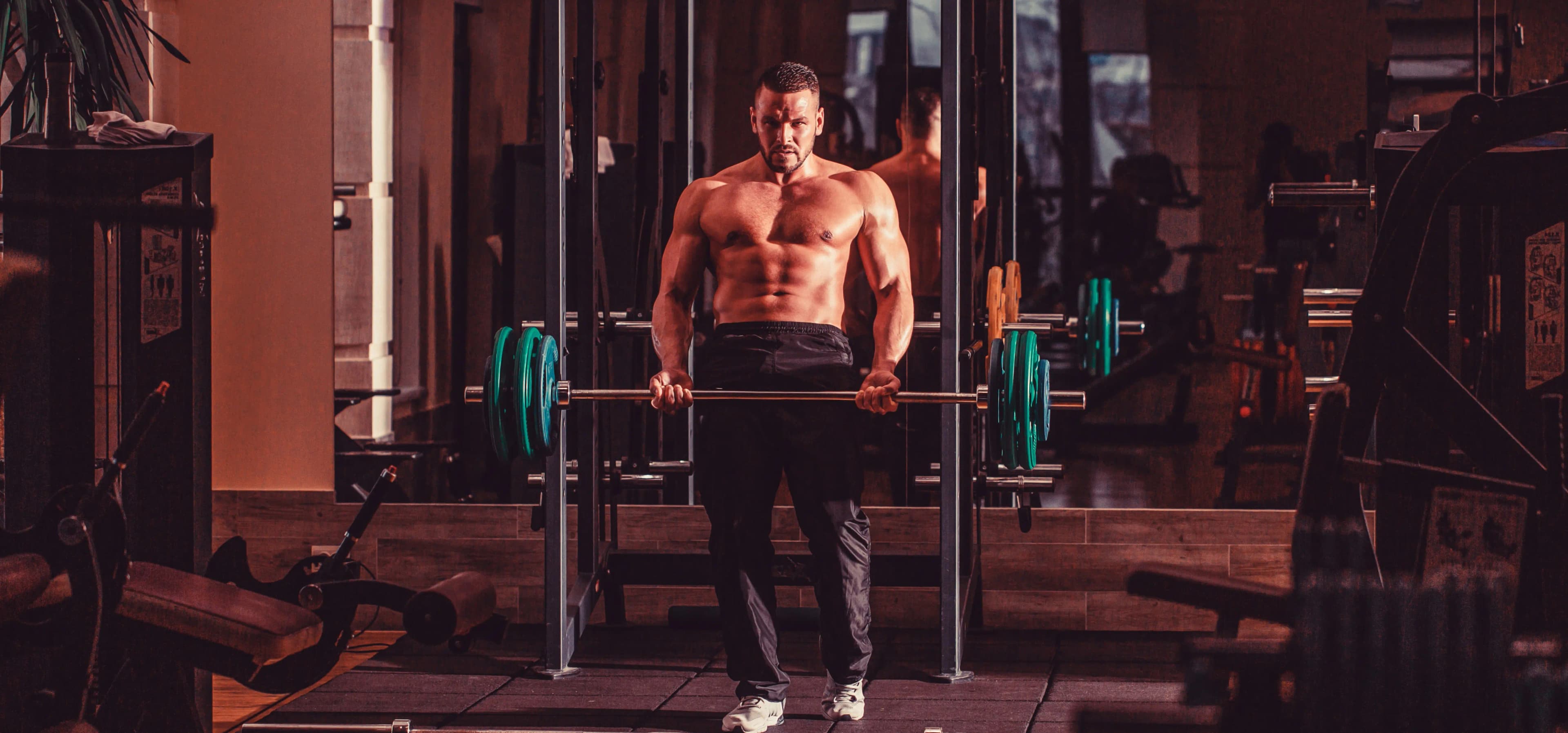
Can You Deadlifts on a Smith Machine?
Deadlifting is one of the best exercises to help you build muscle and become stronger. It works many muscles in your body at the same time and helps improve your overall fitness. However, if you are new to working out or just starting to go to the gym, lifting heavy weights with free weights like a barbell might feel confusing or even a little scary. That’s completely normal!
MyFitnessCoach
February 20, 2025
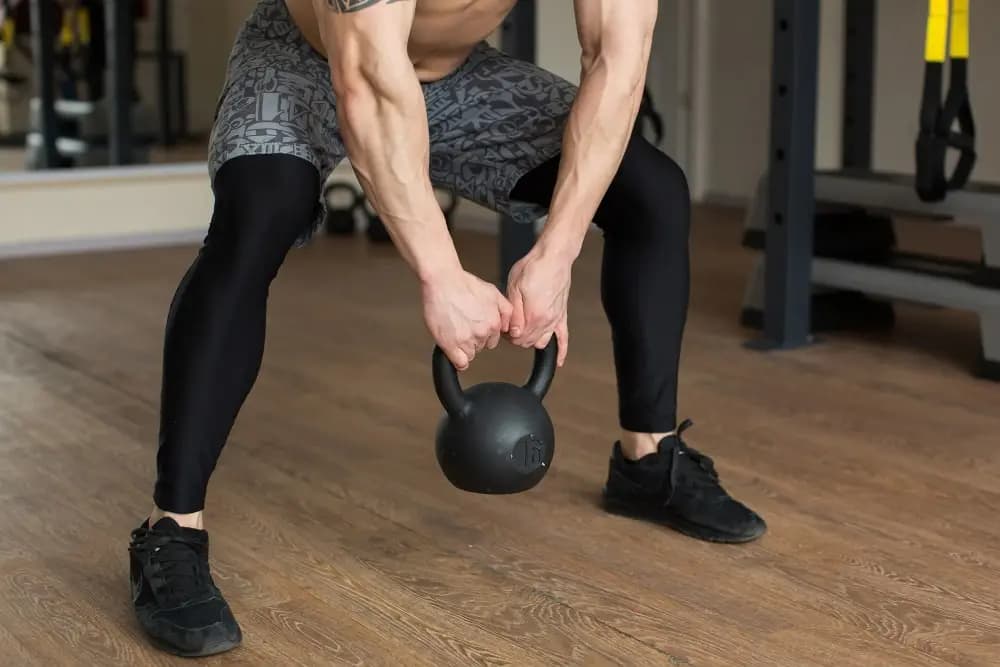
Romanian Deadlift with Kettlebell: A Complete Guide
The Romanian Deadlift (RDL) is one of the most effective exercises for building strength, improving posture, and targeting the posterior chain (the muscles along the back of your body). When you add a kettlebell to the mix, it becomes an even more versatile and functional movement. Whether you're a beginner or a seasoned fitness enthusiast, the Romanian Deadlift with a kettlebell is a must-try exercise. In this article, we’ll break down everything you need to know about this exercise, its benefits, how to perform it correctly, and how you can use the MyFitnessCoach app to take your fitness journey to the next level.
MyFitnessCoach
September 1, 2025
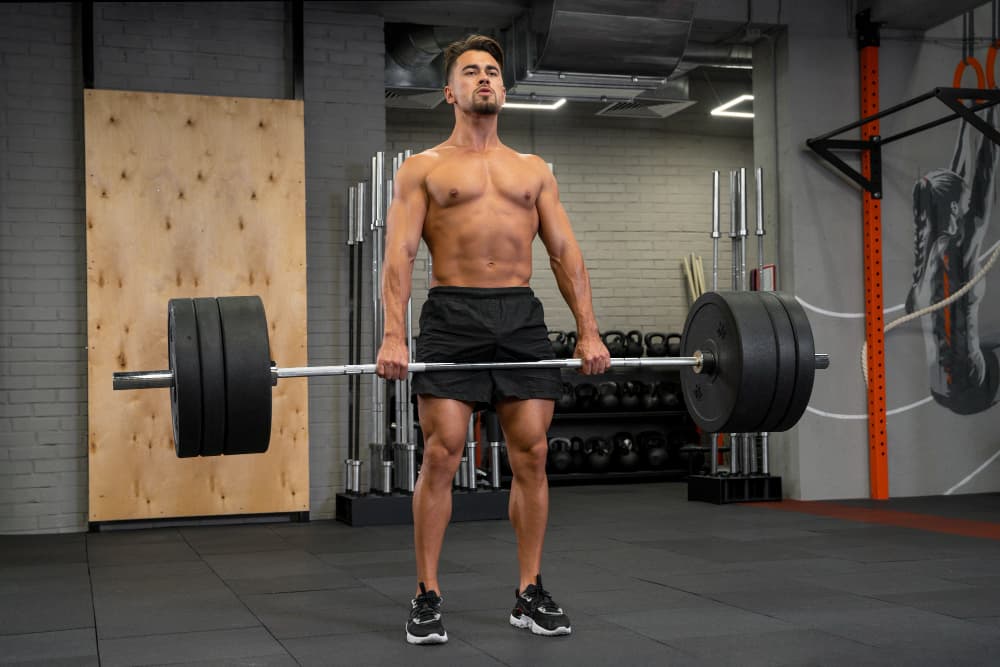
Stiff Leg Deadlift: Benefits, Form, and Training Tips
Strength training is the foundation of building a powerful, resilient, and well-balanced body. Among the many exercises that target the posterior chain, the stiff leg deadlift stands out as a highly effective movement. Whether your goal is muscle growth, strength, or improving athletic performance, this exercise deserves a place in your routine.