
Glute Bridge with Weights: Uncovering Strength and Stability
MyFitnessCoach
November 15, 2023
In the fitness world, this exercise is not always in the spotlight but is highly effective – it's the Glute Bridge with weights. Now, this exercise might seem easy, but it does way more than give you a nice-looking buttock. We'll look at how the glute bridge works, discuss why adding weights is a good idea, and walk you through the steps to get good at this exercise – like a hidden treasure in the fitness world. Let's start:

Understanding the Glute Bridge
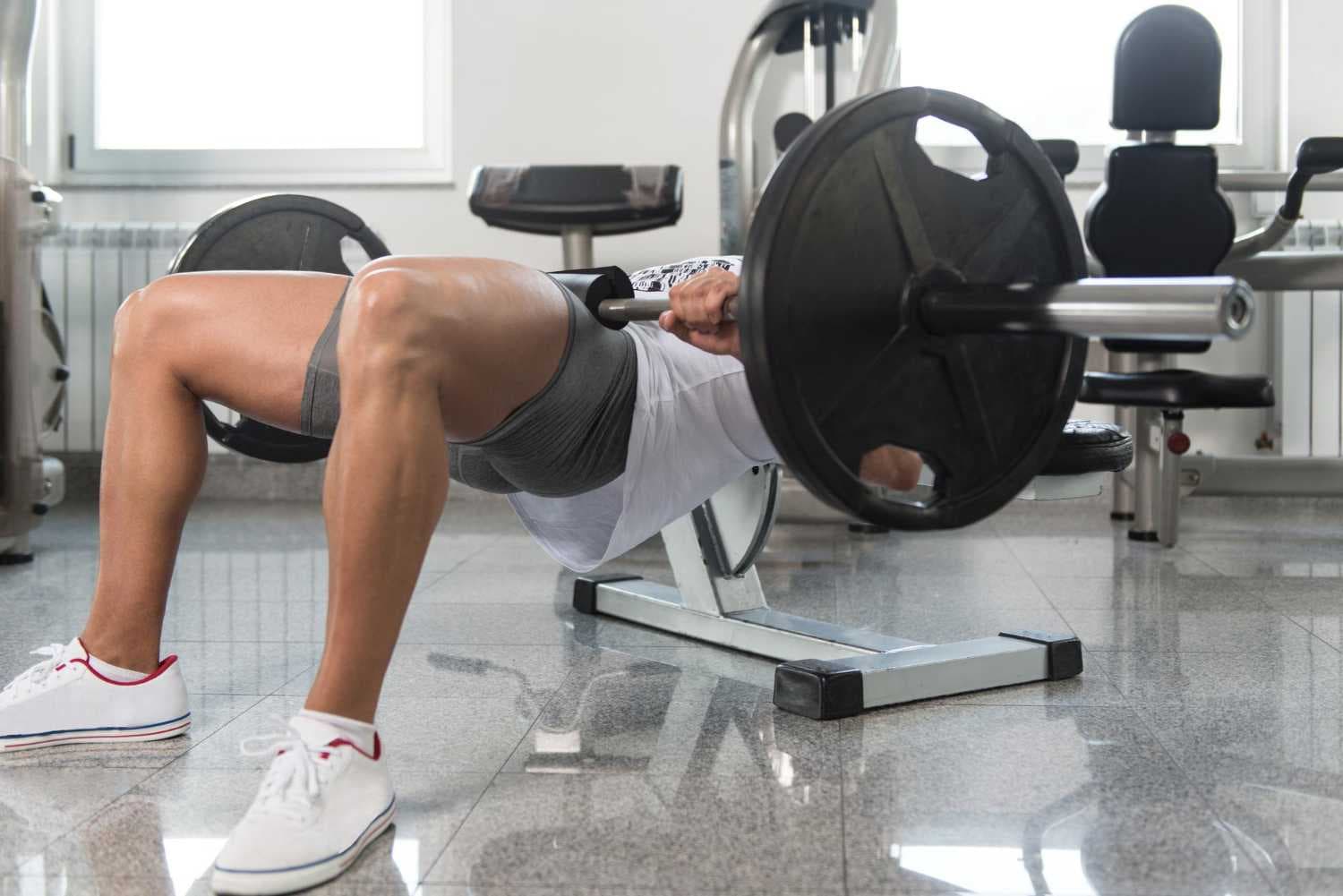
The glute bridge is a fundamental exercise that primarily targets the gluteus maximus, the most significant muscle in the buttocks. This movement involves lifting your hips towards the ceiling while keeping your feet firmly planted. In contrast, the standard glute bridge is effective on its own. But if you add weights to the exercise, then it takes the workout to a whole new level.
Why Add Weights to the Glute Bridge?
- Increased Resistance to Growth: Integrating weights into the traditional glute bridge exercise adds resistance, challenging your muscles to work harder and promoting muscle growth. This primarily benefits those aiming to build a stronger and more defined posterior.
- Engaging Additional Muscles: Weights intensify the workload on your glutes and engage other muscle groups, such as the hamstrings, core, and lower back. This complete engagement contributes to overall strength and stability.
- Calorie Burn and Fat Loss: The additional resistance from weights increases the overall intensity of the exercise, leading to a higher calorie burn. This can benefit individuals seeking to lose weight and improve their body composition.
- Functional Strength: Strengthening the muscles in the glute bridge with weights can enhance your functional strength, making everyday activities like walking, climbing stairs, and lifting objects easier.
Choosing the Right Equipment:
Before diving into the glute bridge with weights, selecting the appropriate equipment is essential. Start with a moderate weight, such as a dumbbell or kettlebell, and gradually increase the load as your strength improves.
Proper Form for Maximum Impact:
Achieving the desired results from the glute bridge with weights requires proper form. Follow these step-by-step instructions:
- Starting Position: Lie on your back with your knees bent and feet flat on the ground. Place the weight of your choice just above your hips.
- Grip the Weight: If you're using a dumbbell or kettlebell, hold it securely with both hands. Ensure you have a firm grip to prevent any accidents during the exercise.
- Engage Your Core: Before lifting your hips, engage your core muscles. This provides stability to your spine and adequately distributes the workload.
- Lift Your Hips: Press through your heels and squeeze your glutes as you lift your hips towards the ceiling. Aim for a straight line from your shoulders to your knees at the movement's top.
- Pause and Squeeze: Hold the bridge position at the top moment, focusing on squeezing your glutes. This maximizes the activation of the targeted muscles.
- Lower with Control: Slowly lower your hips back to the starting position, maintaining control throughout the descent. Avoid letting your hips drop too quickly.
- Repeat: Perform the desired number of repetitions, keeping a steady and controlled pace.
Common Mistakes to Avoid:
While performing the glute bridge with the weight, you need to avoid the following mistakes:
- Overarching the Lower Back: Maintain a neutral spine throughout the exercise to prevent excessive strain on the lower back.
- Neglecting Core Engagement: A strong core is vital for stability. Ensure that your core muscles are engaged from the beginning to the end of the movement.
- Using Excessive Weight: Start with a weight that challenges you without compromising form. Gradually increase the load as your strength improves.
- Rushing the Movement: Focus on the quality of each repetition rather than speed. Performing slow and controlled movements improves muscle activation and effectiveness.
Incorporating Glute Bridge into Your Routine:
To gain the full benefits of glute bridges with weights, consider adding them to your regular workout routine. Here's a sample workout plan:
- Warm-Up: Begin with a dynamic warm-up to prepare your muscles for the upcoming workout. This could include light cardio, leg swings, and glute stretches.
- Glute Bridge Activation: Perform a set of bodyweight glute bridges to activate the muscles before adding weights. This prepares your glutes for the additional challenge.
- Glute Bridge with Weights: Complete 3 sets of 12-15 repetitions, gradually increasing the weight as you progress.
- Supplementary Exercises: Include other lower-body exercises like squats, lunges, and leg presses to create a well-rounded workout.
- Cool Down and Stretching: Finish your workout with static stretches to improve flexibility and reduce muscle tension.
Final Thoughts
In the fitness world, sometimes simple things work well. The glute bridge with weights is an excellent example of this. It's an easy but firm way to make your lower body muscles more robust and shaped. Whether you love exercising or you're just starting to be healthier, doing this exercise regularly can make you feel stronger, more balanced, and more sure of yourself. So, get a weight, get on the floor, and start bridging to become a more robust version of yourself!

Ready to strengthen your lower body, boost stability, and shape those glutes? Try the Glute Bridge with Weights and unlock a new level of fitness! Whether you're a workout enthusiast or just beginning your health journey, MyFitnessCoach is here to guide you. Grab your weights, hit the mat, and bridge to a stronger you! Download the app now and embrace the power of simple yet effective workouts for a healthier lifestyle.
Frequently Asked Questions
Similar Articles
Stay informed with these similar articles.
MyFitnessCoach
September 13, 2023
The Benefits of the Bridge Exercise: A Comprehensive Guide
In the realm of fitness, there are exercises that stand out as versatile powerhouses. One such gem is the Bridge Exercise. This seemingly simple move packs a punch when it comes to building core strength, improving posture, and enhancing overall stability. Whether you're a fitness enthusiast or a beginner looking to enhance your strength and flexibility, incorporating bridge exercise into your routine can yield impressive results. In this comprehensive guide, we'll delve into the mechanics, benefits, variations, and tips for performing the bridge exercise.

MyFitnessCoach
September 19, 2023
How Many Calories Should I Eat to Lose Weight?
Many individuals struggle to lose excess weight, yet the path to achieving this goal can often be confusing. An essential aspect of weight management revolves around the number of calories you take into your body. In this article, we will understand the science of calorie consumption for the purpose of weight reduction with some uncomplicated steps. Our aim is to provide clarity and help you grasp the appropriate calorie intake required to shed those extra pounds.

MyFitnessCoach
June 14, 2023
Glute Stretches: An Effective Way to Enhance Flexibility
The best glute stretches are the figure-4 (lying or seated), the knee-to-opposite-shoulder stretch, half pigeon and a standing version you can do anywhere. Hold each for about 30 seconds per side at a firm but comfortable stretch, and repeat two or three times. Doing it regularly for a couple of weeks is what improves how far your hips move.