
Fast or Slow Reps for Muscle Growth: What Works Best?

MyFitnessCoach
February 28, 2025
When people want to build muscle, one of the most talked-about questions is whether it is better to lift weights using fast movements or slow movements. There are strong opinions on both sides, and each method has its own benefits. Some believe that lifting weights quickly is the best way to gain strength, while others argue that moving slowly helps muscles grow more effectively. But which technique is truly better for building muscle? In this article, we will take a closer look at the science behind fast and slow repetitions, discuss the advantages of each method, and help you decide which one might be best for your fitness goals. Additionally, we will explain how the MyFitnessCoach app can support you in your journey to gaining muscle and improving your workouts.

Table of Contents
Subscribe to our newslettter
What Are Reps?
Before we start discussing whether it is better to perform repetitions quickly or slowly, let’s first take a moment to understand what a "rep" actually means. The word "rep" is short for "repetition," and it refers to one complete movement of a particular exercise. For instance, if you are performing a bicep curl, lifting the weight up towards your shoulder and then slowly lowering it back down to the starting position counts as one full rep. The pace at which you complete these repetitions—whether you move quickly or take your time—can make a significant difference in how your muscles develop and grow.
Fast Reps: The Basics
Fast reps are performed at a quicker pace, usually taking 1-2 seconds to complete the movement. This style of training is often associated with powerlifting, explosive strength, and athletic performance.
Benefits of Fast Reps:
- Builds Power and Explosiveness: Fast reps help you develop explosive strength, which is useful for sports like sprinting, basketball, or weightlifting.
- Increases Muscle Activation: Moving quickly can recruit more muscle fibers, especially fast-twitch fibers, which are crucial for growth.
- Saves Time: Since you’re moving faster, you can complete your workouts in less time.
Drawbacks of Fast Reps:
- Higher Risk of Injury: Fast movements can lead to poor form, especially if you’re lifting heavy weights.
- Less Time Under Tension: Muscles grow when they’re under tension for longer periods. Fast reps may not provide enough time under tension for optimal growth.
Slow Reps: The Basics
Slow reps are performed at a controlled pace, often taking 3-5 seconds for each phase of the movement (lifting and lowering). This style is popular in bodybuilding and hypertrophy training.
Benefits of Slow Reps:
- Increased Time Under Tension: Slow reps keep your muscles under tension for longer, which is a key factor in muscle growth.
- Better Mind-Muscle Connection: Moving slowly allows you to focus on the muscle you’re working, improving your form and effectiveness.
- Reduced Risk of Injury: Slow, controlled movements are safer and help you maintain proper form.
Drawbacks of Slow Reps:
- Less Focus on Power: Slow reps don’t build explosive strength as effectively as fast reps.
- Longer Workouts: Since each rep takes longer, your workouts may take more time to complete.
Which is Better for Muscle Growth?
The answer isn’t black and white. Both fast and slow reps can contribute to muscle growth, but they work in different ways.
- Fast Reps are great for building power and recruiting fast-twitch muscle fibers, which are essential for explosive movements and overall strength.
- Slow Reps are ideal for maximizing time under tension and ensuring proper form, which are critical for hypertrophy (muscle growth).
For the best results, many fitness experts recommend combining both styles. For example, you could use fast reps for compound lifts like squats and bench presses to build strength, and slow reps for isolation exercises like bicep curls or leg extensions to focus on muscle growth.
How to Incorporate Fast and Slow Reps into Your Routine
Here’s a simple way to include both fast and slow reps in your workouts:
- Warm-Up: Start with light weights and fast reps to get your muscles ready.
- Strength Training: Use fast reps for heavy compound lifts (e.g., deadlifts, squats) to build power.
- Hypertrophy Training: Use slow reps for isolation exercises (e.g., dumbbell flys, tricep extensions) to focus on muscle growth.
- Cool-Down: Finish with slow, controlled stretches to improve flexibility and recovery.
The Role of Nutrition and Recovery
No matter how you train, muscle growth also depends on proper nutrition and recovery. Make sure you’re eating enough protein, carbs, and healthy fats to fuel your workouts and repair your muscles. Additionally, get plenty of sleep and allow your muscles time to recover between sessions.
How MyFitnessCoach Can Help
If you’re unsure how to balance fast and slow reps in your workouts, the MyFitnessCoach app is here to help. This fitness app offers personalized workout plans tailored to your goals, whether you’re looking to build muscle, increase strength, or improve endurance. With video demonstrations, progress tracking, and expert tips, MyFitnessCoach makes it easy to incorporate both fast and slow reps into your routine. Plus, the app provides nutrition guidance and recovery tips to ensure you’re getting the most out of your efforts.
Conclusion
Both fast and slow reps have their place in a muscle-building program. Fast reps are ideal for building power and explosive strength, while slow reps maximize time under tension and improve muscle growth. By combining both styles, you can create a well-rounded workout routine that helps you achieve your fitness goals.
Ready to take your training to the next level? Download the MyFitnessCoach app today and get access to personalized workout plans, expert guidance, and everything you need to build muscle effectively. Whether you prefer fast reps, slow reps, or a mix of both, MyFitnessCoach has you covered. Start your journey to a stronger, fitter you now!
Frequently Asked Questions
Similar Articles
Stay informed with these similar articles.
MyFitnessCoach
July 5, 2023
Hypertrophy Training: Maximize Your Muscle Strength
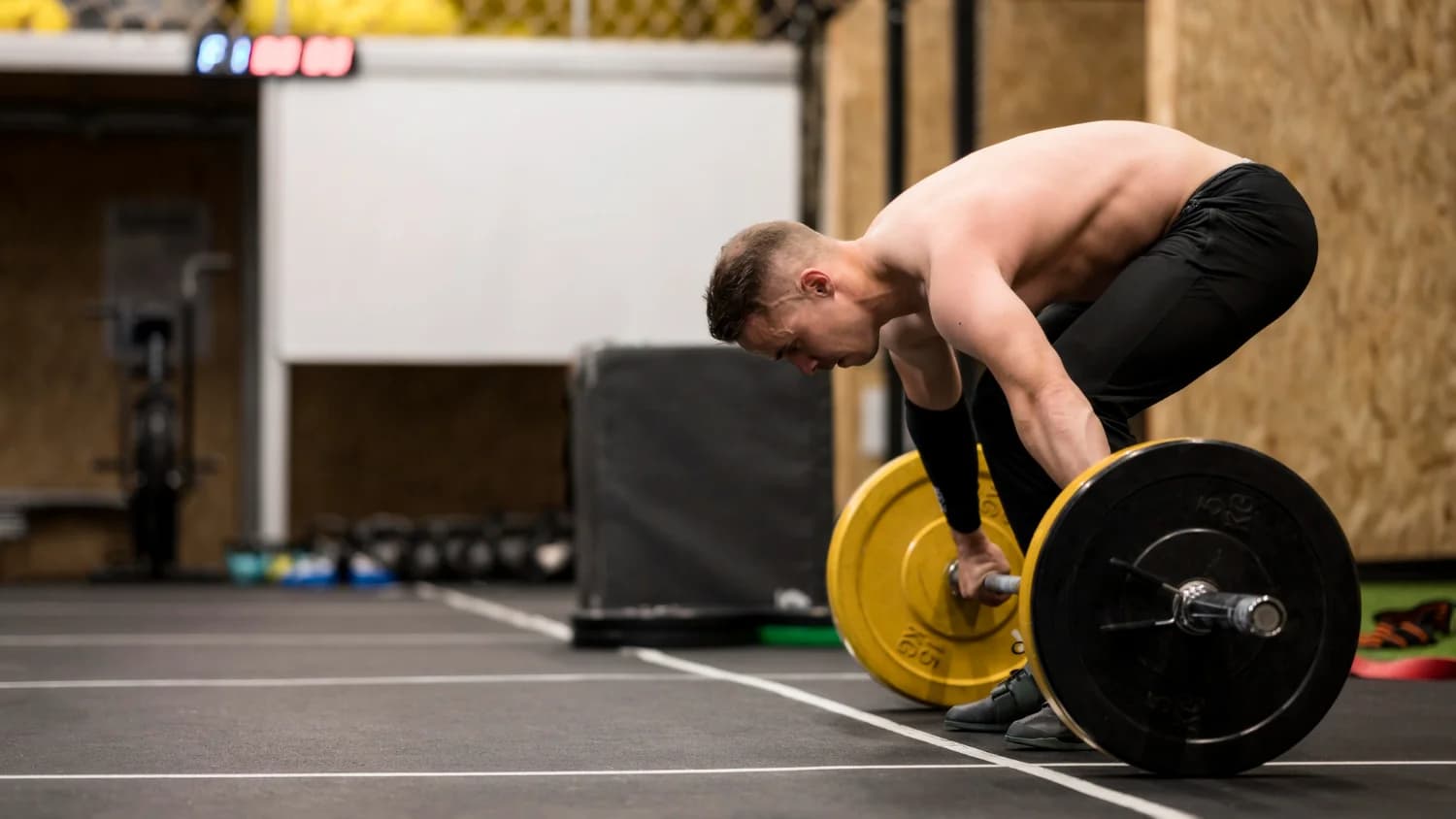
Hypertrophy training, commonly known as muscle building or bodybuilding, is a specialized training method designed to stimulate muscle growth and increase muscle size. When your aim is to strengthen your muscles then hypertrophy training is the best option for you. Whether you are an athlete aiming to improve performance, a fitness enthusiast looking to build your muscles, or someone looking for better health, understanding hypertrophy training is essential to reaching your goals.
MyFitnessCoach
December 27, 2023
A Comprehensive Guide to Triceps Cable Workouts
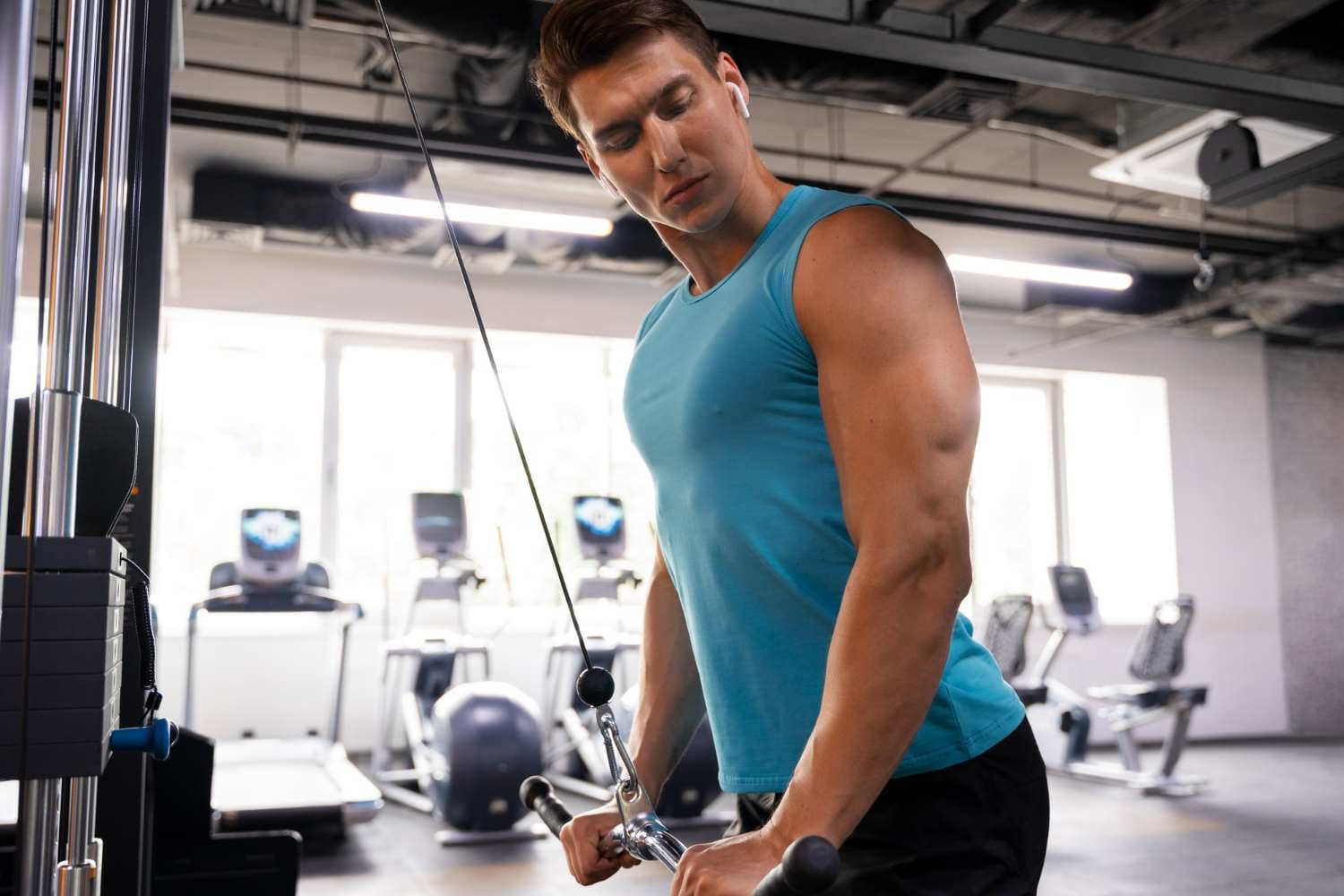
While everyone talks about the biceps, if you want awesome arms, you shouldn't forget about your triceps. Actually, your triceps are even more important because they are bigger than your biceps. There are many ways to make your triceps strong. Doing dips and close grip bench presses works well, and there are also other exercises using weights or just your body.

MyFitnessCoach
February 28, 2025
The Ultimate Guide to Knee-Up Exercise
Fitness enthusiasts are always on the lookout for simple yet effective exercises that can be done anywhere, anytime. One such exercise that has gained popularity is the knee-up exercise. This versatile movement targets multiple muscle groups, improves core strength, and enhances overall fitness. Whether you're a beginner or a seasoned athlete, knee-ups can be a valuable addition to your workout routine. In this article, we’ll explore everything you need to know about knee-up exercises, including their benefits, how to perform them correctly, and tips to maximize results. Plus, we’ll show you how the MyFitnessCoach app can help you incorporate knee-ups into your fitness journey seamlessly.