
Dumbbell Plie Squat: A Complete Guide to This Powerful Exercise
MyFitnessCoach
February 12, 2025
If you want to strengthen your lower body, shape your legs, and improve your overall fitness, the dumbbell plié squat is an excellent exercise to include in your routine. This modified version of the traditional squat is especially effective because it works multiple muscle groups at the same time. It targets your inner thighs, glutes, quadriceps, and core, helping to build strength and improve muscle tone. In this article, we will explain everything you need to know about the dumbbell plié squat. You will learn the correct way to perform the exercise, the benefits it offers, and useful tips to get the best results. Additionally, we will show you how the MyFitnessCoach app can guide you in adding this movement to your workout plan effortlessly.
Table of Contents
Subscribe to our newslettter
What is a Dumbbell Plie Squat?
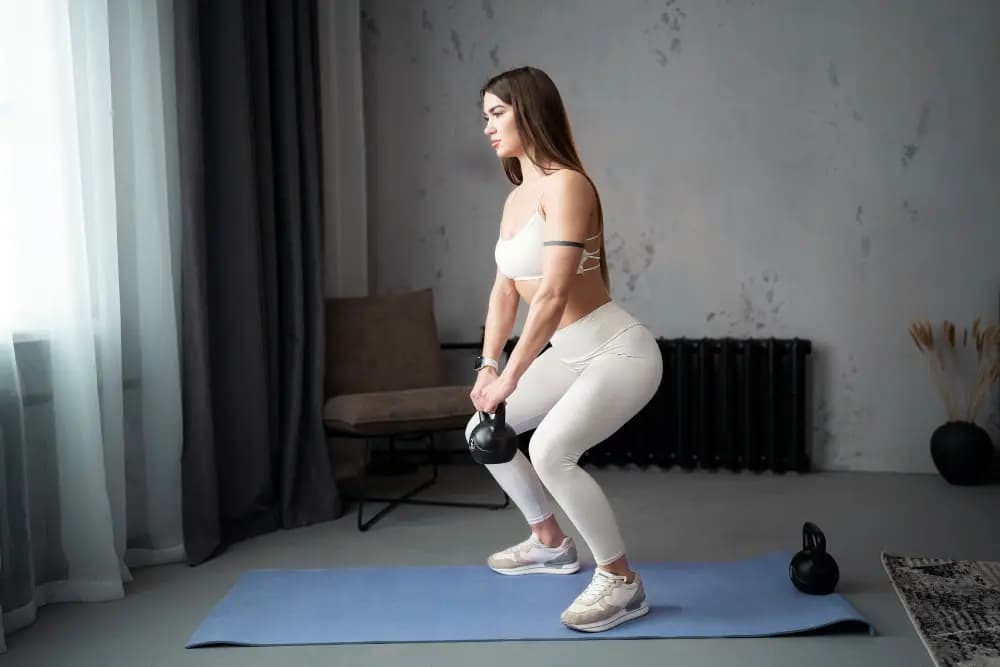
The dumbbell plié squat is a lower-body exercise that takes inspiration from ballet movements. It combines the wide stance and knee bend of a plié, which is a common ballet position, with the extra challenge of holding a dumbbell for added resistance. This exercise mainly works the muscles in your inner thighs, glutes, and quadriceps, while also requiring your core muscles to stay engaged in order to maintain balance and stability.
Unlike a regular squat, where your feet are positioned about shoulder-width apart, the plié squat requires you to take a wider stance with your toes pointing outward. This difference in foot placement shifts the focus more toward your inner thigh and glute muscles, helping to strengthen and tone these areas. Because of this, the dumbbell plié squat is an excellent movement to include in your leg workout routine.
How to Perform a Dumbbell Plie Squat
Performing a dumbbell plie squat correctly is essential to avoid injury and get the most out of the exercise. Follow these steps:
- Starting Position:
- Stand with your feet wider than shoulder-width apart.
- Point your toes outward at a 45-degree angle.
- Hold a single dumbbell with both hands, letting it hang vertically between your legs. Alternatively, you can hold a dumbbell in each hand by your sides.
- The Movement:
- Engage your core and keep your chest up.
- Lower your body by bending your knees, ensuring they track over your toes (not collapsing inward).
- Lower yourself until your thighs are parallel to the floor or as low as your flexibility allows.
- Pause for a second at the bottom of the movement.
- Return to Start:
- Push through your heels to return to the starting position.
- Squeeze your glutes at the top of the movement.
- Repetitions:
- Aim for 10-15 reps per set, depending on your fitness level.
- Perform 3-4 sets for optimal results.
Benefits of Dumbbell Plie Squats
- Targets Inner Thighs: The wide stance and toe positioning place extra emphasis on the inner thighs, helping to tone and strengthen this often-neglected area.
- Builds Lower Body Strength: This exercise works your quads, glutes, hamstrings, and calves, making it a comprehensive lower body workout.
- Improves Flexibility: The deep squat position helps improve hip and ankle flexibility over time.
- Engages the Core: Balancing the dumbbell and maintaining proper form requires core engagement, giving you an added abdominal workout.
- Boosts Balance and Stability: The wide stance challenges your balance, improving overall stability and coordination.
Tips for Perfecting Your Dumbbell Plie Squat
- Begin with Less Weight: If you are trying this exercise for the first time, it is best to start with a lighter dumbbell or even no weight at all. This will help you focus on learning the correct movement and maintaining proper form before adding resistance.
- Maintain an Upright Posture: Keep your chest lifted and your back straight throughout the exercise. Leaning too far forward can put unnecessary strain on your lower back and may lead to discomfort or injury.
- Position Your Knees Correctly: As you lower yourself into the squat, make sure your knees move in line with your toes. They should not bend inward, as this could put stress on your joints and increase the risk of injury.
- Move with Control: Perform each squat slowly and with controlled movements. This helps engage your muscles more effectively and prevents using momentum, which can reduce the effectiveness of the exercise.
- Prepare Your Muscles First: Before beginning plie squats, take some time to warm up your lower body. Doing a proper warm-up will increase blood flow to your muscles, improve flexibility, and lower the risk of injury.
Common Mistakes to Avoid
- Leaning Too Far Forward: This can put unnecessary strain on your lower back. Keep your chest up and core engaged.
- Knees Caving In: Ensure your knees are aligned with your toes to avoid knee pain or injury.
- Not Going Low Enough: Aim to lower yourself until your thighs are parallel to the floor for maximum muscle activation.
- Using Too Much Weight: Start with a manageable weight and gradually increase as your strength improves.
Incorporating Dumbbell Plie Squats into Your Routine
The dumbbell plie squat can be incorporated into your leg day routine or full-body workouts. Here’s a sample workout plan:
- Warm-Up: 5-10 minutes of dynamic stretches or light cardio.
- Dumbbell Plie Squats: 3 sets of 12-15 reps.
- Lunges: 3 sets of 10 reps per leg.
- Deadlifts: 3 sets of 10-12 reps.
- Calf Raises: 3 sets of 15-20 reps.
- Cool Down: Stretch your lower body to improve flexibility and reduce soreness.
How MyFitnessCoach Can Help You Master Dumbbell Plie Squats
If you’re looking to incorporate dumbbell plie squats into your fitness routine but aren’t sure where to start, the MyFitnessCoach app is here to help. This user-friendly fitness app offers personalized workout plans, step-by-step exercise tutorials, and progress tracking to keep you motivated. Whether you’re a beginner or an experienced fitness enthusiast, MyFitnessCoach provides the guidance you need to perform exercises like the dumbbell plie squat with proper form and confidence.
The app also includes video demonstrations, so you can see exactly how to perform each movement. Plus, with features like workout reminders and progress analytics, you’ll stay on track to achieve your fitness goals. Download MyFitnessCoach today and take the first step toward a stronger, healthier you!
Frequently Asked Questions
Similar Articles
Stay informed with these similar articles.
MyFitnessCoach
June 27, 2023
Squats For Beginners: Build Lower Body Strength
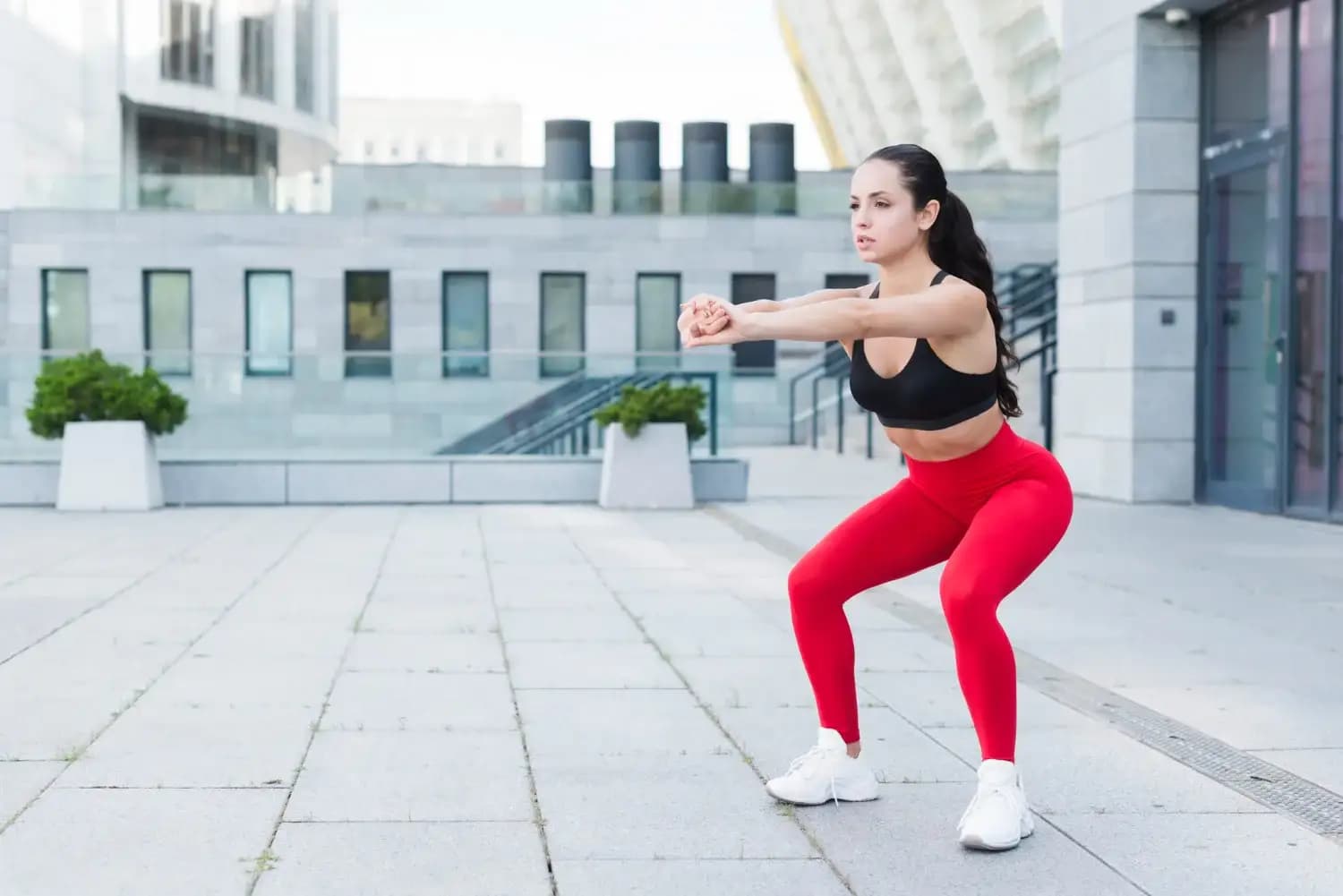
Squats are the best exercise for developing lower body strength. Squats are one of the most effective lower-body workouts. They work a variety of muscles, including the quadriceps, hamstrings, glutes, and core. Squats, whether you are a fitness enthusiast or a newbie, may provide several benefits to your training program. However, good form and technique are essential for maximizing benefits and avoiding injuries.This article aims to give a comprehensive instruction for beginners on how to execute squats, concentrating on proper technique, variations, frequent errors, and safety precautions. Let us not waste any more time and thoroughly examine squats:
MyFitnessCoach
April 30, 2024
Strengthen Your Core | Effective Lower Abs Workouts | MFC Guide
Striving for a toned and strong core? Look no further than targeting your lower abs. While many focus on the upper abdominals, neglecting the lower region can lead to imbalances and hinder overall core strength. Lower abs not only contribute to a shaped midsection but also play a crucial role in stabilizing the pelvis and supporting the lower back. However, sculpting these indefinable muscles requires targeted exercises and dedication. In this article, we’ll get into simple yet effective lower abs workouts that you can incorporate into your routine, whether you're a beginner or a fitness enthusiast. Get ready to ignite those lower abs and take your core strength to the next level!
MyFitnessCoach
April 14, 2025
Mastering the Dumbbell Snatch for Full-Body Strength
Ever wish there was one single move that could boost your strength and improve your cardio?