
Can Strength Training Improve Bone Health?
MyFitnessCoach
December 12, 2024
Strength training is not just about building muscles—it plays a crucial role in improving your overall health, particularly when it comes to bone strength. If you're looking for an all-in-one fitness solution to guide you through effective strength training and more, MyFitnessCoach is your go-to app. This feature-packed app makes achieving your fitness goals easier than ever.
In this article, we’ll explore how strength training benefits your bones, why it's essential for long-term health, and how you can get started. Let’s dive in!
Table of Contents
Subscribe to our newslettter
What is Strength Training?
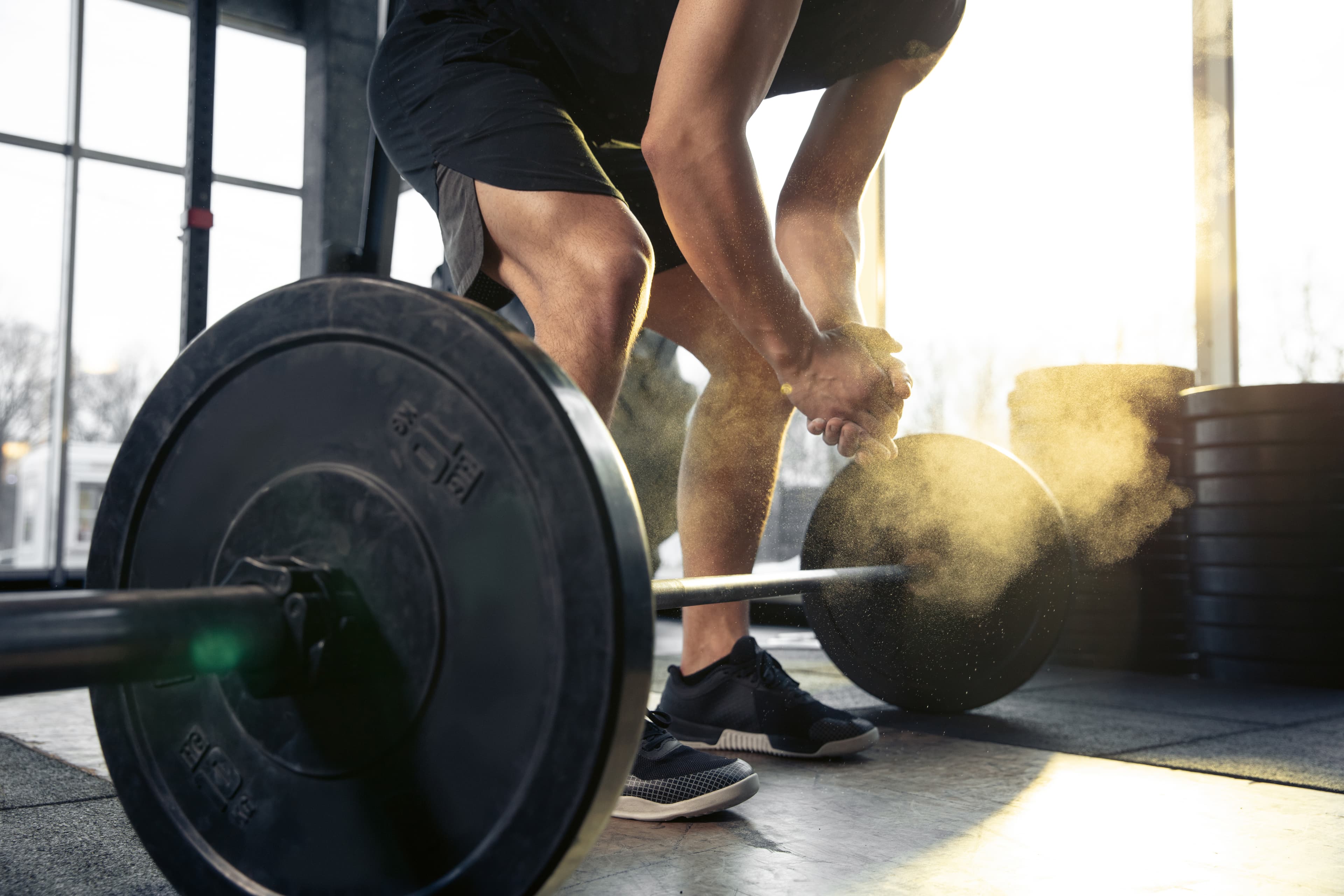
Strength training, also known as resistance training, involves exercises that improve muscular strength and endurance. By using resistance from weights, resistance bands, or even your body weight, this form of exercise helps build lean muscle and enhance bone density. Activities like lifting dumbbells, squats, push-ups, or using weight machines are all great examples of strength training.
How Does Strength Training Improve Bone Health?
Bone Adaptation to Stress
Bones are living tissues that respond positively to stress. When you perform strength-training exercises, the load applied to your bones stimulates bone-forming cells called osteoblasts. Over time, this leads to increased bone density and strength, reducing the risk of fractures and conditions like osteoporosis.
Hormonal Benefits
Strength training triggers the release of growth hormones and testosterone, both of which contribute to bone growth and repair. These hormonal changes are particularly important as you age, as bone density naturally declines.
Enhanced Muscle-Bone Connection
Stronger muscles exert more force on your bones, further promoting bone remodeling. This synergy between muscles and bones is crucial for maintaining balance, coordination, and stability, especially in older adults.
Who Can Benefit from Strength Training for Bone Health?
Strength training isn’t limited to athletes or bodybuilders. It’s a valuable practice for:
- Women: Especially postmenopausal women, as they are at higher risk of osteoporosis.
- Seniors: To maintain bone density and prevent falls.
- Teenagers: Building bone mass early reduces the risk of future issues.
- Anyone with Sedentary Lifestyles: Counteract bone loss caused by inactivity.
Getting Started with Strength Training
1. Consult a Professional
Before beginning any strength-training regimen, consult a healthcare provider or fitness expert to assess your current health and bone density.
2. Choose Weight-Bearing Exercises
Opt for weight-bearing activities like squats, lunges, and step-ups. These exercises target the bones in your hips, legs, and spine—the areas most prone to fractures.
3. Start Light and Progress Gradually
Begin with light weights or resistance bands. Gradually increase resistance as your strength improves to keep your bones and muscles challenged.
4. Track Your Progress
Using a tool like MyFitnessCoach can make this easier. Log your workouts, monitor your progress, and receive customized workout plans tailored to your needs.
How MyFitnessCoach Supports Bone Health
Our app, MyFitnessCoach, is designed to cater to all your fitness needs. Here’s how it can help you improve your bone health through strength training:
- Customized Workouts: Build personalized strength-training routines based on your fitness level.
- Workout Logger: Track your reps, sets, and weights to ensure consistent progress.
- Prehab and Rehab Workouts: Prevent injuries and recover effectively with specialized plans.
- Yoga and Pilates: Enhance bone and joint flexibility to support your strength-training goals.
- Wearable Integration: Sync your wearable devices for real-time tracking.
Additional Benefits of Strength Training
Strength training doesn’t just improve bone health—it offers a host of other benefits:
- Boosts Metabolism: Increased muscle mass burns more calories at rest.
- Enhances Mood: Releases endorphins that improve mental well-being.
- Improves Posture: Stronger muscles support better alignment.
- Reduces Risk of Chronic Conditions: Lowers the likelihood of diabetes and heart disease.
By incorporating strength training into your routine, you’re not just building stronger bones but also laying the foundation for a healthier lifestyle.
So, can strength training improve bone health? Absolutely! It’s a scientifically proven method to enhance bone density, reduce the risk of fractures, and support overall physical well-being. Whether you’re a beginner or experienced, strength training should be a part of your routine.

Ready to get started? Download MyFitnessCoach today and let us help you build a stronger, healthier you—one workout at a time. Start improving your bone health today with customized workout plans on MyFitnessCoach! Download now and transform your fitness journey.
Similar Articles
Stay informed with these similar articles.

MyFitnessCoach
May 9, 2024
The Power of Resistance Bands Workouts | MFC Guide
In the search for a healthier lifestyle, many people seek out effective yet accessible ways to stay fit. Among the excess of fitness tools available, resistance bands stand out as versatile, affordable, and incredibly effective. Whether you’re a seasoned gym-goer or just starting your fitness journey, including resistance bands into your workouts can provide countless benefits. Let’s delve into what resistance bands are, why they’re beneficial, and some simple yet impactful workouts you can do with them.

MyFitnessCoach
December 12, 2024
What’s the Difference Between Fasted and Non-Fasted Cardio?
Fasted and non-fasted cardio are popular methods for improving fitness and achieving specific goals like weight loss or endurance. However, choosing between them can be tricky if you’re unsure how each affects your body.

MyFitnessCoach
December 13, 2024
How Does Running Compare to Cycling for Cardio Fitness?
Running and cycling are two of the most popular choices for improving your cardiovascular fitness. Both activities offer incredible health benefits, but which one is better for your fitness goals? The answer depends on several factors, including your current fitness level, preferences, and specific objectives.