
Benefits of Reverse Lunges and How to Perform
MyFitnessCoach
May 5, 2025
Reverse lunges are one of the best exercises you can do without needing any equipment. They help make your legs and lower body stronger. But many people don’t know all the great things this simple move can do for them. Let’s find out what are the benefits of reverse lunges and why you should add them to your workouts.
With the MyFitnessCoach app, you can learn to do reverse lunges the right way. Our app also helps you track your workouts, follow custom plans, and stay motivated every day.
Table of Contents
Subscribe to our newslettter
What Are the Benefits of Reverse Lunges for Beginners?
Reverse lunges are easy to learn. They are a great way to build strength without hurting your knees. This makes them perfect for beginners or people with joint pain. Unlike forward lunges, reverse lunges don’t put as much pressure on the front knee.
Here are some simple benefits:
- Build strong legs
- Improve balance
- Support knee health
- Work both legs equally
- Improve posture
With MyFitnessCoach, you can find beginner-friendly workouts that include reverse lunges. You can also track your progress and see how strong you get over time.
How Do Reverse Lunges Help in Daily Life?
Reverse lunges help you move better in real life. This is called functional fitness. These moves copy how we walk, sit, and go up steps. When you do reverse lunges often, it gets easier to do everyday things like:
- Climbing stairs
- Getting up from a chair
- Carrying groceries
- Walking for longer periods
This is why personal trainers often add reverse lunges to workout plans in MyFitnessCoach. You can even build your own plan and include these moves easily.
Benefits for Muscle Building
Reverse lunges help build muscle in the lower body. They work your:
- Quads (front of thighs)
- Hamstrings (back of thighs)
- Glutes (butt muscles)
- Calves
Since you use one leg at a time, both legs get the same workout. This keeps your body balanced. And when you use dumbbells or weights, you can build even more muscle.
Need a plan that helps you grow stronger legs? Use the Build Your Own Workout tool in MyFitnessCoach. It lets you add reverse lunges, squats, and more to a custom workout just for you.
Benefits in Injury Prevention?
Reverse lunges are a safe way to strengthen muscles. They help make your joints stable, especially the knees and hips. When these parts are strong, you are less likely to get hurt.
Many people use reverse lunges as part of rehab or prehab. Prehab means doing exercises that stop injuries before they happen. The Prehab and Rehab section in MyFitnessCoach has workouts that include reverse lunges for this reason.
Benefits for Weight Loss?
If you're trying to lose weight, reverse lunges are great. They:
- Burn calories
- Work big muscles
- Increase your heart rate
- Help you stay active longer
The more muscle you build, the more fat your body can burn—even at rest. That’s why trainers often add lunges to fat-burning workouts.
You can find weight loss plans in MyFitnessCoach that include reverse lunges. These plans are simple to follow and easy to stick to.
Reverse Lunges for Core Strength
Reverse lunges are not just for the legs. They also make your core muscles stronger. Your core helps you stay balanced when you move. Every time you do a lunge, your core keeps you steady. Over time, this builds a stronger tummy and lower back.
Want to work your core too? Use the Workout Logger in MyFitnessCoach to log reverse lunges with planks, crunches, and other ab moves.
Reverse Lunges for Balance
Good balance is important for everyone. Reverse lunges help improve balance because you stand on one leg at a time. This teaches your body how to stay steady.
Older adults and people recovering from injury can really benefit from this. In the Rehab and Balance Training workouts inside MyFitnessCoach, you can add reverse lunges to keep your body strong and stable.
Reverse Lunges for Athletes
Athletes need strong, balanced, and stable legs. Reverse lunges help with all three. They are great for:
- Runners
- Cyclists
- Dancers
- Basketball and soccer players
By training one leg at a time, reverse lunges help fix any strength gaps. This can boost performance in sports and help avoid injuries.
MyFitnessCoach has sport-specific training plans that include reverse lunges to help athletes stay strong and agile.
Tips to Reverse Lunges Safely
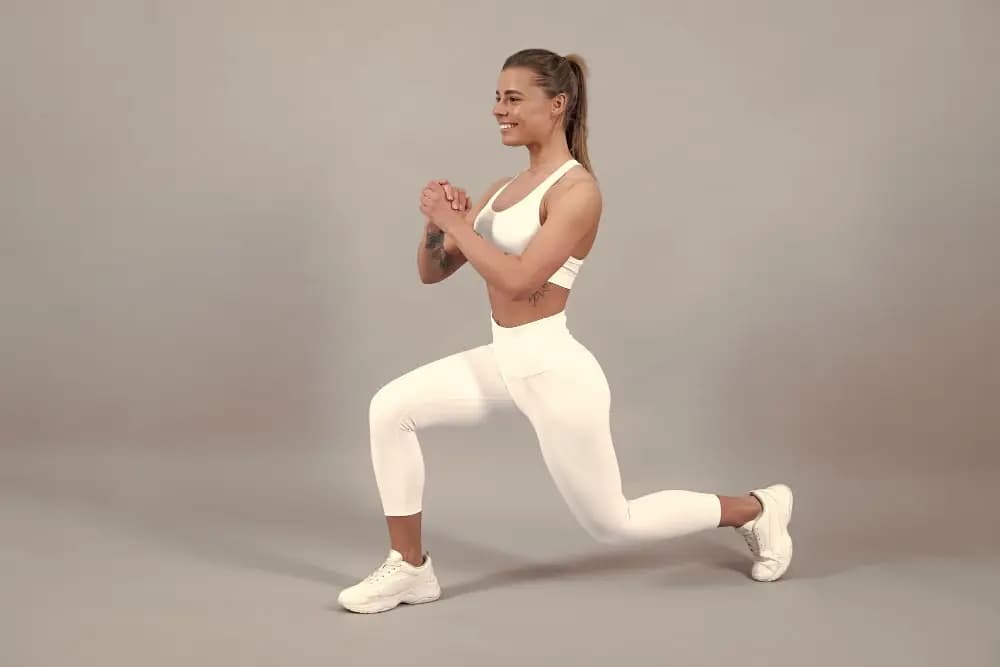
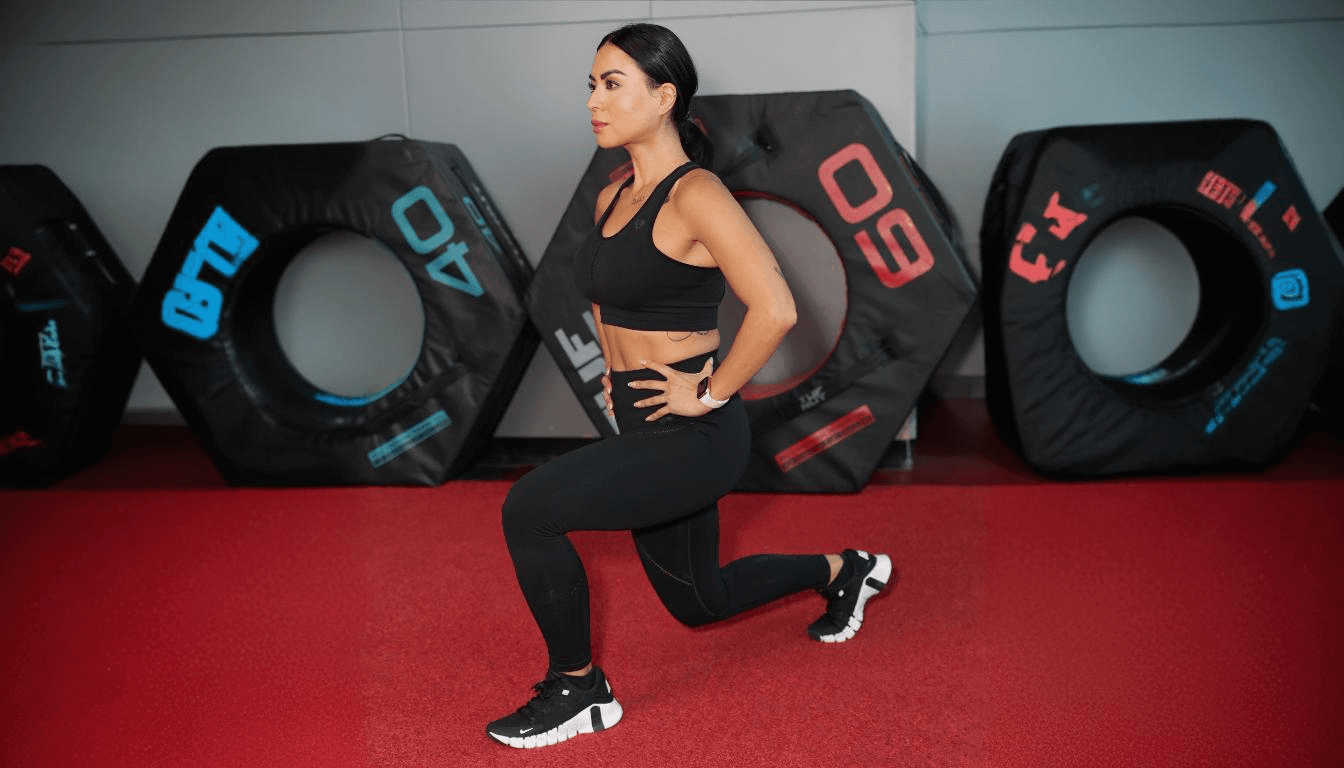
Here’s how to do a reverse lunge the right way:
- Stand tall with feet shoulder-width apart.
- Step one foot back and lower your body until both knees form 90-degree angles.
- Keep your front knee above your ankle.
- Push back to the starting position.
- Switch legs and repeat.
Want to watch a video of the move? MyFitnessCoach has step-by-step demos and tips to keep your form perfect.
Add Reverse Lunges to Your Workout Plan Today
Reverse lunges are simple, safe, and full of benefits. Whether you want to lose weight, build muscle, or move better, they can help. And the best part? You don’t need any fancy gear.
Ready to start? Download MyFitnessCoach now. The app has everything from custom plans, rehab moves, yoga, pilates, and meditation, to workout tracking, diet logging, and more. It’s your all-in-one fitness app to stay fit and feel great.
Final Thoughts
Now you know what are the benefits of reverse lunges. They are safe, easy, and powerful. You can do them almost anywhere, and they help with strength, balance, fat loss, and more.
Want to add them to your routine? Try MyFitnessCoach today. Whether you’re new to fitness or already active, this all-in-one app helps you reach your goals faster and easier.
Download MyFitnessCoach now and take the first step toward a stronger, healthier you!
Frequently Asked Questions
Similar Articles
Stay informed with these similar articles.
MyFitnessCoach
January 16, 2025
Reverse Lunge Muscles Worked: Your Ultimate Guide
Reverse lunges are a powerhouse move that can transform your lower body strength. This simple yet effective exercise targets multiple muscles, making it a favorite for fitness enthusiasts of all levels. But which muscles do reverse lunges work? Let’s dive in!
MyFitnessCoach
April 14, 2025
The Best Functional Training App? A Complete Guide
Are you tired of juggling multiple workout apps just to stay on top of your fitness goals? Or maybe you're overwhelmed by complicated workout plans that don’t match your lifestyle? You’re not alone. Many people start strong but give up quickly because most apps don’t make it easy to stick with a program. That’s where MyFitnessCoach, the best functional training app, comes in.
MyFitnessCoach
June 27, 2023
Squats For Beginners: Build Lower Body Strength
Squats are the best exercise for developing lower body strength. Squats are one of the most effective lower-body workouts. They work a variety of muscles, including the quadriceps, hamstrings, glutes, and core. Squats, whether you are a fitness enthusiast or a newbie, may provide several benefits to your training program. However, good form and technique are essential for maximizing benefits and avoiding injuries.This article aims to give a comprehensive instruction for beginners on how to execute squats, concentrating on proper technique, variations, frequent errors, and safety precautions. Let us not waste any more time and thoroughly examine squats: