
Back Cable Workouts – Build a Stronger, Wider, and More Defined Back

MyFitnessCoach
October 3, 2025
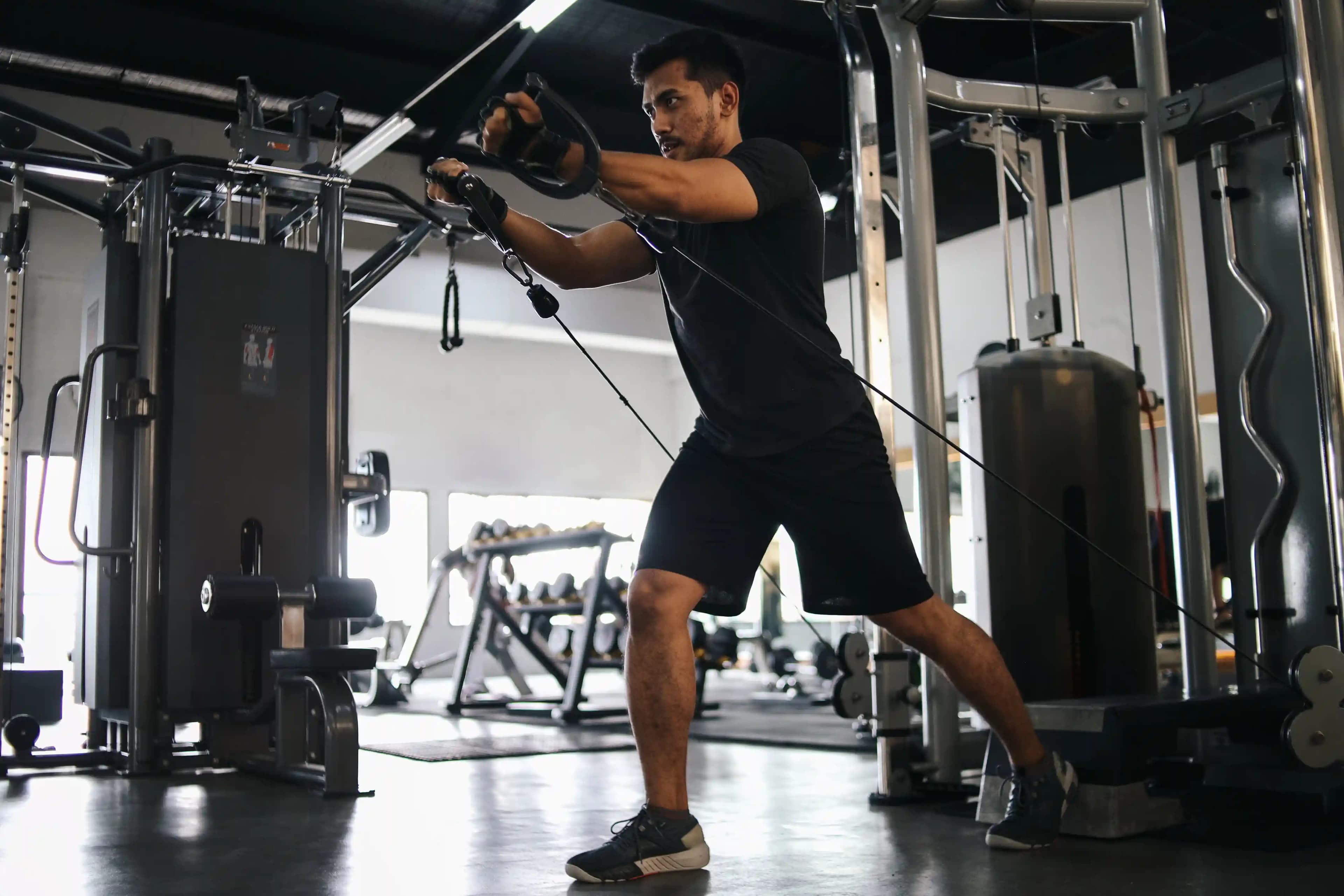
A strong back isn’t just about aesthetics; it’s the foundation of great posture, improved strength, and injury prevention. Among all back training methods, back cable workouts stand out for their ability to provide constant tension, better control, and versatility. Whether you’re training in a gym or at home with a cable machine, mastering cable-based back exercises can completely transform your upper-body strength.
In this article, we’ll dive into the best back cable workouts, explain their benefits, and show you how you can plan and track your sessions effortlessly using the MyFitnessCoach App, your all-in-one fitness companion.

Table of Contents
Subscribe to our newslettter
Why Choose Cable Workouts for Back Training?
Cable machines offer a level of tension and resistance that’s hard to match with free weights. They engage stabiliser muscles, allow controlled movement, and let you target your back from multiple angles. Here’s why back cable workouts should be part of your routine:
- Constant Tension: Cables keep your muscles under tension through the entire range of motion, maximising muscle activation.
- Customizable Resistance: You can easily adjust weight and angle to match your strength level and training goals.
- Reduced Joint Stress: The smooth motion of cables lowers joint impact, making it ideal for injury prevention.
- Full Range of Motion: Cable systems allow natural movement paths, helping you develop both strength and flexibility.
- Versatility: With just one machine, you can perform dozens of effective back exercises without switching equipment.
Anatomy of Back Muscles You’ll Target
Understanding which muscles you’re working helps you build a balanced back. Back cable workouts target:
- Latissimus Dorsi (Lats): The broadest back muscle responsible for width and V-taper appearance.
- Rhomboids: Located between your shoulder blades; they help retract the scapula.
- Trapezius (Traps): Upper and middle traps improve posture and shoulder strength.
- Erector Spinae: Run along the spine to support posture and stability.
- Rear Deltoids: Assist in pulling movements and shoulder alignment.
By combining different cable angles and grips, you can emphasise each of these muscles effectively.
Best Back Cable Workouts
Below are some of the most effective back cable exercises you can include in your routine:
1. Lat Pulldown
A classic back-building move, the lat pulldown isolates the lats while engaging the biceps and traps.
How to Do It:
- Sit on the machine and grasp the bar with a wide grip.
- Pull the bar down to your chest while keeping your torso upright.
- Squeeze your shoulder blades together and slowly return to the start.
Tip: Avoid using momentum; control every rep for maximum engagement.
2. Seated Cable Row
This exercise builds mid-back thickness and improves posture.
How to Do It:
- Sit with feet on the platform and hold the cable handle.
- Keep your back straight and pull the handle toward your abdomen.
- Pause, then slowly return to the starting position.
Variation: Use a wide grip for more rear delt and upper back activation.
3. Straight Arm Pulldown
Perfect for isolating the lats without heavy arm involvement.
How to Do It:
- Stand facing the machine, holding a straight bar attached to the high pulley.
- With arms extended, pull the bar down in a semicircle motion.
- Squeeze your lats at the bottom and return slowly.
Benefit: Excellent for learning proper lat engagement and mind-muscle connection.
4. Single-Arm Cable Row
This unilateral movement helps correct muscle imbalances and builds symmetrical strength.
How to Do It:
- Attach a single handle and grab it with one hand.
- Step back slightly, keeping your back straight.
- Pull the handle toward your rib cage while keeping your elbow close.
Tip: Perform equal reps on both sides for balanced development.
5. Cable Face Pull
This movement strengthens the rear delts, traps, and rotator cuff essential for shoulder stability.
How to Do It:
- Set the cable at upper chest height and attach a rope.
- Pull the rope toward your face, keeping elbows high.
- Squeeze your shoulder blades together at the end.
Note: Excellent for posture correction and upper-back activation.
6. Standing Cable Deadlift
A great alternative to traditional deadlifts with less lower-back strain.
How to Do It:
- Attach the handle at the lowest setting.
- Hold the cable, hinge at the hips, and lift until standing tall.
- Focus on using your glutes and hamstrings.
Benefit: Builds posterior chain strength while maintaining constant tension.
7. Cable Pullover
Targets lats through a long range of motion, improving stretch and contraction.
How to Do It:
- Stand slightly away from the cable machine.
- With arms straight, pull the bar down toward your thighs.
- Keep your core tight and avoid swinging.
Pro Tip: Use lighter weight and slow tempo for maximum control.
Progressive Overload with MyFitnessCoach
One of the biggest mistakes lifters make is not tracking progress. With MyFitnessCoach, you can log every back workout set, reps, and weights using the Workout Logger feature. This helps you apply progressive overload effectively.
As you gradually increase resistance, the app tracks your strength improvements and provides AI insights to help you train smarter, avoid overtraining, and balance muscle growth.
Combine Cable Workouts with Nutrition
To maximise muscle growth from your back cable workouts, proper nutrition is essential. Inside MyFitnessCoach, you can:
- Track calories and macros with the Food Logger.
- Scan barcodes to log meals instantly.
- Access AI recommendations for meals supporting muscle recovery.
- Follow personalised diet plans for muscle gain or fat loss.
Combining smart training with balanced nutrition ensures you get the most from every workout.
Other Features of MyFitnessCoach
Beyond back training, MyFitnessCoach gives you access to:
- Workout Plans (Strength, HIIT, Yoga, Pilates, Prehab & Rehab).
- Wearable Integration for heart rate and calorie tracking.
- AI Insights for personalised tips and progress analysis.
- Step Challenges to keep your daily activity consistent.
- Meditation & Recovery programs to prevent burnout.
With everything built into one platform, it’s your complete fitness ecosystem, whether you’re a beginner or advanced athlete.
Common Mistakes to Avoid in Back Cable Workouts
- Using Momentum: Focus on control; avoid jerking the weight.
- Neglecting Mind-Muscle Connection: Feel your lats working each rep.
- Poor Posture: Keep chest up, shoulders back, and avoid rounding.
- Overtraining: Allow at least one rest day between heavy back sessions.
Tracking workouts in MyFitnessCoach helps prevent these mistakes by guiding your volume and recovery.
Conclusion
Back cable workouts are among the most effective ways to build a strong, defined, and functional upper body. The constant tension, variety, and muscle engagement make cables ideal for beginners and pros alike.
To make your journey easier, smarter, and results-driven, download the MyFitnessCoach App today. With workout logging, progress tracking, AI-powered insights, and nutrition support, it’s everything you need to turn your training into transformation.
Start your next back cable workout with guidance, track your progress, and watch your strength soar, all with MyFitnessCoach.
Frequently Asked Questions
Similar Articles
Stay informed with these similar articles.
MyFitnessCoach
August 20, 2025
Cable Pull Through: Benefits, Muscles Worked & Proper Form Explained
Strength training is full of exercises that promise to build stronger legs and glutes. But when it comes to targeting your posterior chain, your glutes, hamstrings, and lower back, few moves are as underrated and effective as the cable pull-through.

MyFitnessCoach
September 12, 2025
Best Workout Logger App: Track Sets, Reps & Progress with MyFitnessCoach
When it comes to achieving fitness goals, tracking your workouts is just as important as performing them. That’s where a workout logger app becomes an essential tool. Instead of writing sets and reps on paper or trying to remember your last workout, a digital workout tracker helps you log everything in one place, monitor progress, and stay consistent.

MyFitnessCoach
October 6, 2025
Lat Pull Down Bar: Complete Guide to Build a Stronger Back
When it comes to building a wider, stronger, and more defined back, the lat pull-down bar is one of the most effective tools you can use. Whether you’re training in a gym or building a home workout setup, understanding how to use this versatile piece of equipment can completely transform your upper-body strength.