
Alternating Leg Lifts: Simple Exercise for Core Strength
MyFitnessCoach
February 7, 2025
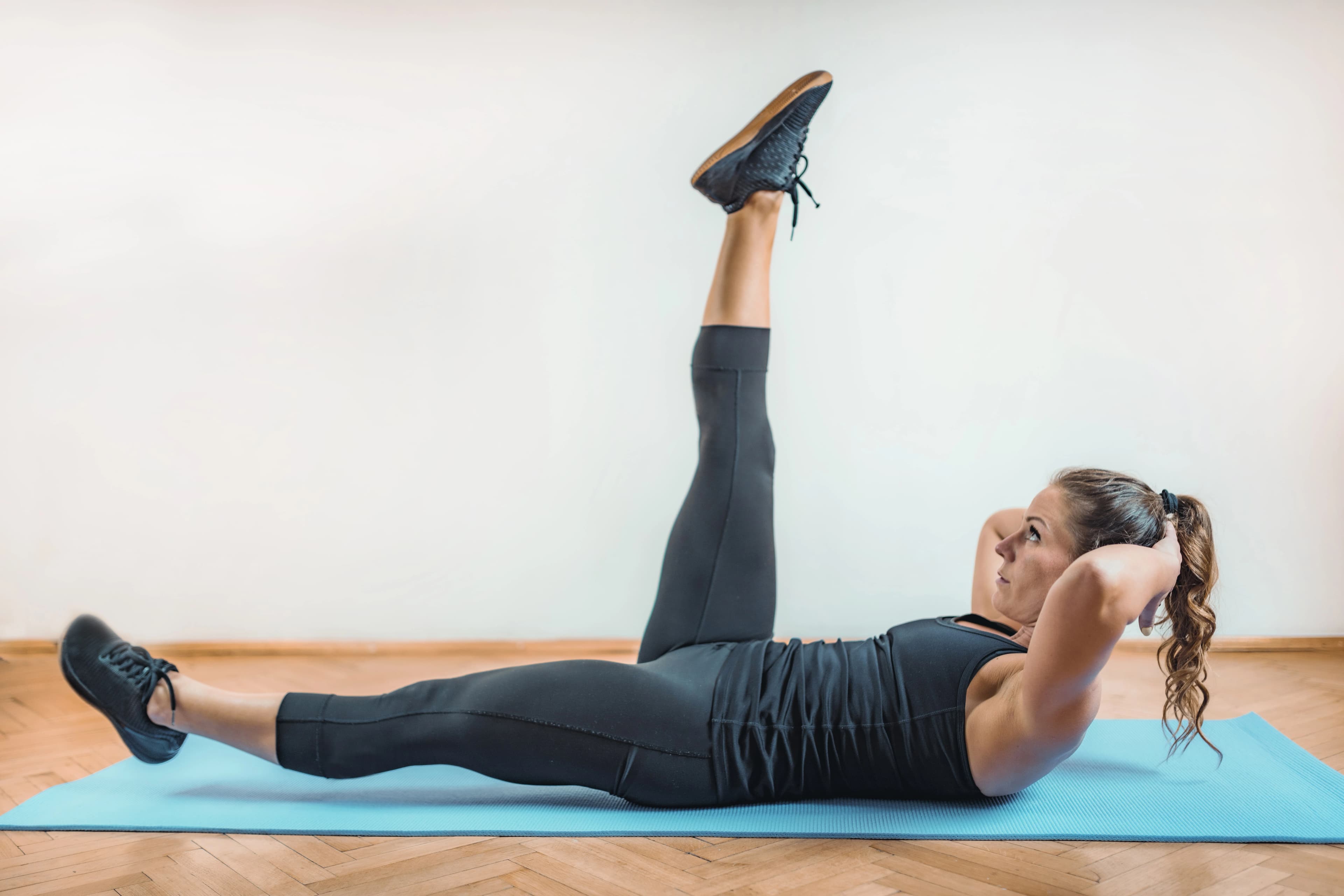
When it comes to building core strength, improving flexibility, and toning your lower body, alternating leg lifts are a fantastic exercise to include in your fitness routine. This simple yet effective movement targets your abdominal muscles, hip flexors, and thighs, making it a great addition to any workout plan. Whether you're a beginner or a fitness enthusiast, alternating leg lifts can help you achieve your fitness goals. In this article, we’ll explore what alternating leg lifts are, their benefits, how to perform them correctly, and how the MyFitnessCoach app can help you incorporate this exercise into your routine.

Table of Contents
Subscribe to our newslettter
What Are Alternating Leg Lifts?
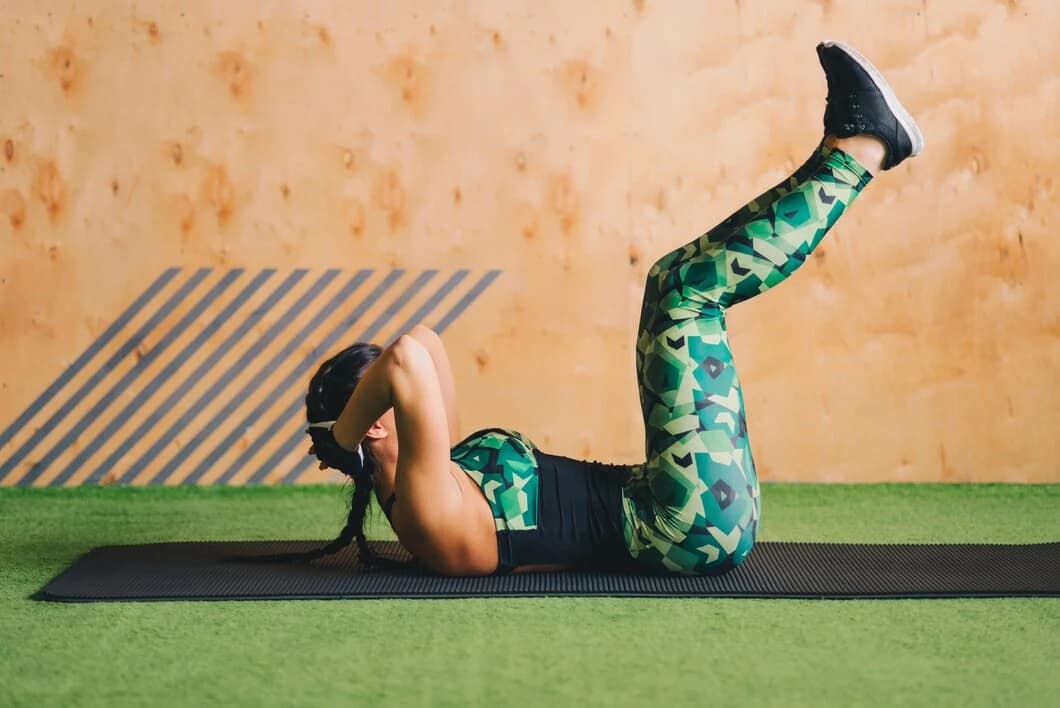
Alternating leg lifts are a core-strengthening exercise where you lie on your back and lift one leg at a time while keeping the other leg stationary. This movement engages your lower abdominal muscles, hip flexors, and thighs. It’s a low-impact exercise, making it suitable for people of all fitness levels. You can perform alternating leg lifts anywhere, with no equipment required, making them a convenient addition to your workout routine.
Benefits of Alternating Leg Lifts
- Strengthens Core Muscles: Alternating leg lifts primarily target your lower abdominal muscles, which are often harder to engage compared to the upper abs. A strong core improves posture, reduces back pain, and enhances overall stability.
- Tones Lower Body: This exercise also works your hip flexors, thighs, and glutes, helping to tone and strengthen your lower body.
- Improves Flexibility: Regularly performing alternating leg lifts can improve the flexibility of your hip flexors and hamstrings, which is essential for overall mobility.
- Low-Impact Exercise: Unlike high-intensity exercises, alternating leg lifts are gentle on your joints, making them ideal for beginners or those recovering from injuries.
- Enhances Balance and Coordination: Since the exercise involves alternating legs, it challenges your balance and coordination, which are essential for daily activities and other workouts.
How to Perform Alternating Leg Lifts Correctly
To get the most out of this exercise and avoid injury, it’s important to perform alternating leg lifts with proper form. Here’s a step-by-step guide:
- Starting Position: Lie flat on your back on a mat or soft surface. Place your arms by your sides with your palms facing down. Keep your legs straight and together.
- Engage Your Core: Tighten your abdominal muscles by pulling your belly button toward your spine. This will help stabilize your lower back.
- Lift One Leg: Slowly lift your right leg toward the ceiling while keeping it straight. Aim to lift it to a 90-degree angle or as high as you comfortably can.
- Lower the Leg: Lower your right leg back to the starting position in a controlled manner. Avoid letting it drop quickly.
- Switch Legs: Repeat the movement with your left leg. Continue alternating legs for the desired number of repetitions.
- Breathing: Inhale as you lower your leg and exhale as you lift it. Proper breathing helps maintain rhythm and focus.
Tips for Beginners
- If you find it challenging to keep your legs straight, slightly bend your knees.
- Avoid arching your back by keeping your core engaged throughout the exercise.
- Start with 10-12 repetitions per leg and gradually increase as you build strength.
Variations of Alternating Leg Lifts
Once you’ve mastered the basic alternating leg lifts, you can try these variations to add intensity and variety to your workout:
- Weighted Alternating Leg Lifts: Hold a small dumbbell or ankle weight while performing the exercise to increase resistance.
- Elevated Alternating Leg Lifts: Place your hands under your hips to elevate your lower back slightly. This increases the range of motion and intensifies the workout.
- Pulse Alternating Leg Lifts: At the top of the lift, pulse your leg slightly upward for 2-3 seconds before lowering it.
- Alternating Leg Lifts with a Stability Ball: Place a stability ball between your legs and squeeze it as you lift and lower your legs.
Common Mistakes to Avoid
- Arching the Back: This can strain your lower back. Always engage your core to keep your back flat on the mat.
- Rushing the Movement: Perform the exercise slowly and with control to maximize muscle engagement.
- Holding Your Breath: Remember to breathe consistently throughout the exercise.
How MyFitnessCoach Can Help You Master Alternating Leg Lifts
If you’re looking to incorporate alternating leg lifts into your fitness routine, the MyFitnessCoach app is here to guide you every step of the way. This user-friendly app offers personalized workout plans, video demonstrations, and progress tracking to ensure you perform exercises like alternating leg lifts with proper form and consistency. Whether you’re a beginner or an advanced fitness enthusiast, MyFitnessCoach provides tailored routines to help you achieve your goals. Download the app today and take the first step toward a stronger, healthier you!
Transform Your Fitness Journey with MyFitnessCoach
Ready to take your fitness to the next level? Download the MyFitnessCoach app today and discover personalized workout plans, expert guidance, and a supportive community to help you stay motivated.
Whether you’re mastering alternating leg lifts or exploring new exercises, MyFitnessCoach is your ultimate fitness partner. Start your journey now and achieve your health goals with confidence!
Similar Articles
Stay informed with these similar articles.
MyFitnessCoach
April 18, 2024
Boost Your Health and Fitness with Exercises for HIIT Workouts
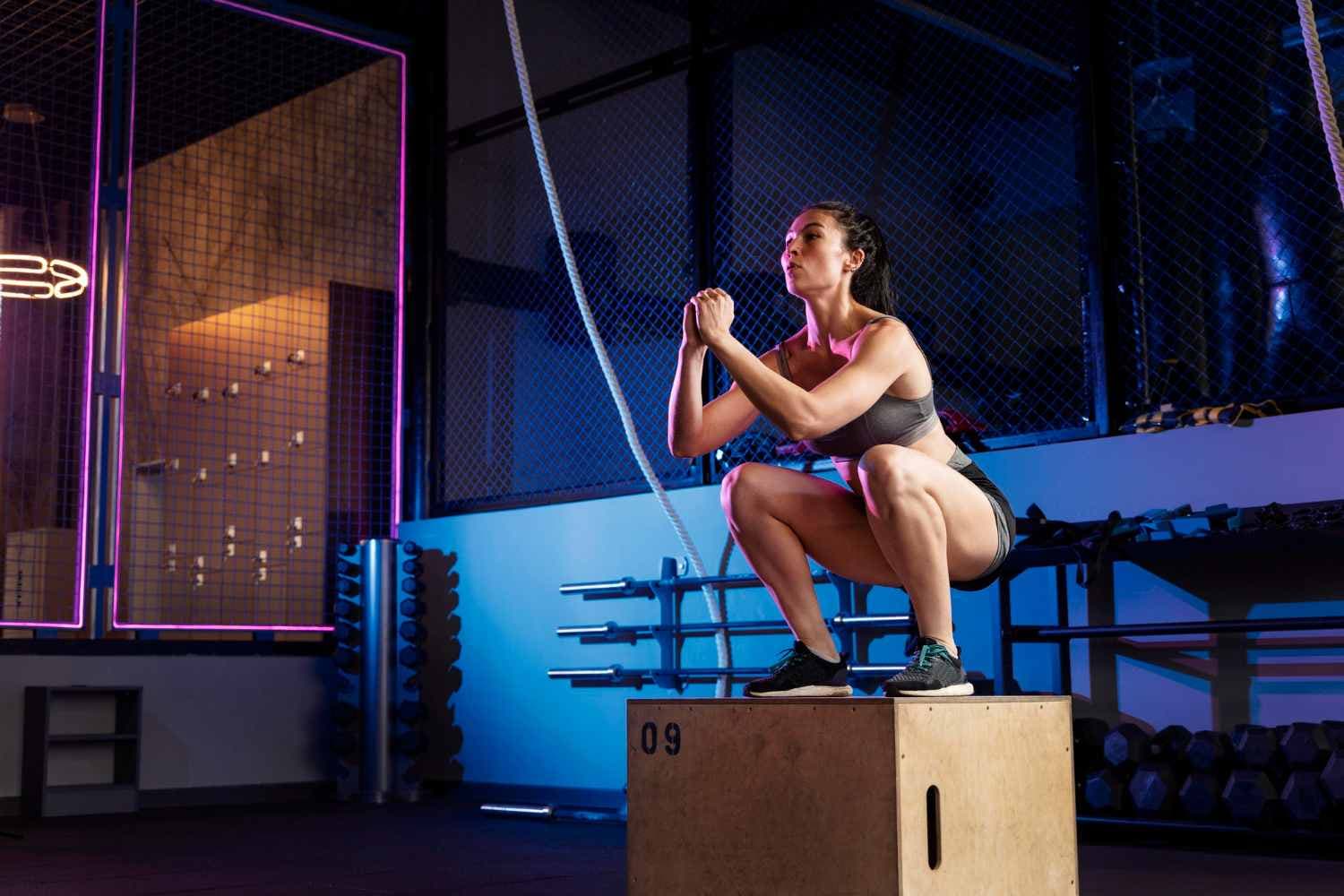
Workout trends may change, but for the best results, high intensity interval training (HIIT) is here to stay, giving you the most value for your effort. If you ask 10 people about HIIT workouts, you'll likely get 10 different answers because the fitness industry has come up with many versions that aren't truly HIIT.
MyFitnessCoach
February 10, 2025
Hip Thrust vs Glute Bridge vs KAS: Which Is Better?
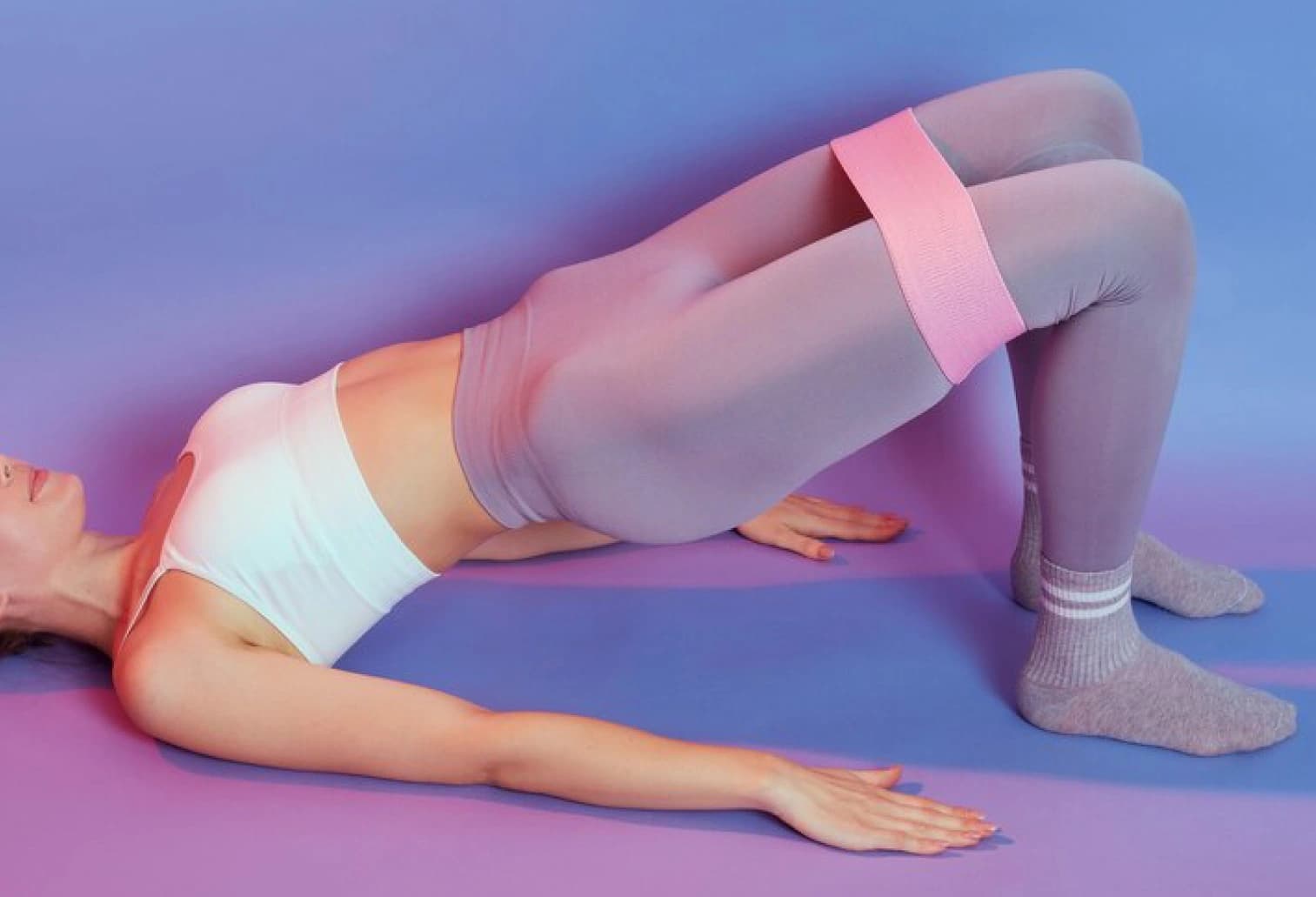
A glute bridge is done on the floor with little weight. A hip thrust puts your upper back on a bench, so your hips travel further and carry more weight. A KAS glute bridge is the hip thrust setup with a short, top-half range. Most coaches make the hip thrust the main lift and use bridges to start out.
MyFitnessCoach
February 10, 2025
Straight Leg Sit-Ups: A Simple Guide to Strengthen Your Core
When it comes to building a strong core, straight leg sit-ups are a classic exercise that has stood the test of time. Whether you're a fitness newbie or a seasoned athlete, this exercise can help you improve your core strength, posture, and overall fitness. In this article, we’ll break down everything you need to know about straight leg sit-ups, including how to do them correctly, their benefits, and how you can incorporate them into your fitness routine using the MyFitnessCoach app.