
Adductor Muscles Training: Best Exercises, Benefits, and Tips
MyFitnessCoach
August 27, 2025
When it comes to leg day, most people focus on squats, lunges, or deadlifts. While these are excellent exercises, they often neglect one crucial muscle group, the adductors. The adductor muscles, located in the inner thigh, play a vital role in hip stability, balance, and overall lower body strength. Neglecting them not only creates muscle imbalances but also increases the risk of injuries.
In this guide, we’ll dive deep into the importance of adductor muscle training, the best exercises to target them, and how incorporating them into your workout routine can improve your athletic performance and everyday movements.
Table of Contents
Subscribe to our newslettter
What Are the Adductor Muscles?
The adductors are a group of five muscles located in your inner thigh:
- Adductor Longus
- Adductor Brevis
- Adductor Magnus
- Pectineus
- Gracilis
Their primary role is to bring your legs toward the midline of your body (a movement known as adduction). They also help stabilize your pelvis during walking, running, or squatting. Strong adductors are especially important for athletes, as they assist in lateral movements, quick changes of direction, and hip stability.
Why Train Your Adductors?
Most people underestimate the importance of training the adductors. Here are a few key reasons why adding adductor exercises to your routine is essential:
1. Improved Hip Stability
Adductors support your hips and pelvis, reducing the risk of instability during activities like squats, running, or sports that involve sudden changes in direction.
2. Injury Prevention
Weak adductors can lead to groin strains, hip pain, and knee instability. Athletes in soccer, football, and hockey are particularly prone to adductor injuries. Training them strengthens the connective tissues and reduces this risk.
3. Enhanced Athletic Performance
Strong adductors contribute to sprinting, lateral agility, and explosive power. Whether you’re an athlete or just someone who enjoys fitness, training them can help you move faster and more efficiently.
4. Balanced Leg Development
Many people build strong quads and hamstrings, but overlook the inner thigh. Strengthening the adductors creates balanced, functional legs and improves overall aesthetics.
Best Adductor Muscles Training Exercises
Here are some of the most effective adductor training exercises you can add to your workout plan.
1. Sumo Squats
- Stand with feet wider than shoulder-width, toes pointed outward.
- Hold a dumbbell or barbell, squat down while keeping your chest upright.
- Focus on squeezing your inner thighs as you push back up.
Benefit: Builds strength in both the adductors and glutes.
2. Side-Lying Leg Adduction
- Lie on your side with the bottom leg extended.
- Place your top leg over the bottom leg, either bent or resting on the floor.
- Lift the bottom leg upward slowly, engaging the inner thigh.
Benefit: Isolates the adductors with minimal equipment.
3. Copenhagen Plank
- Lie on your side and place your top leg on a bench or elevated surface.
- Hold a side plank position while keeping the bottom leg off the ground.
- Maintain balance and engage your inner thigh.
Benefit: Builds strength, endurance, and stability in the adductors.
4. Cable Hip Adduction
- Use a cable machine with an ankle strap attached to the low pulley.
- Stand sideways to the machine, attach the strap to the inside ankle, and pull your leg across your body.
Benefit: Provides constant tension on the adductors through the full range of motion.
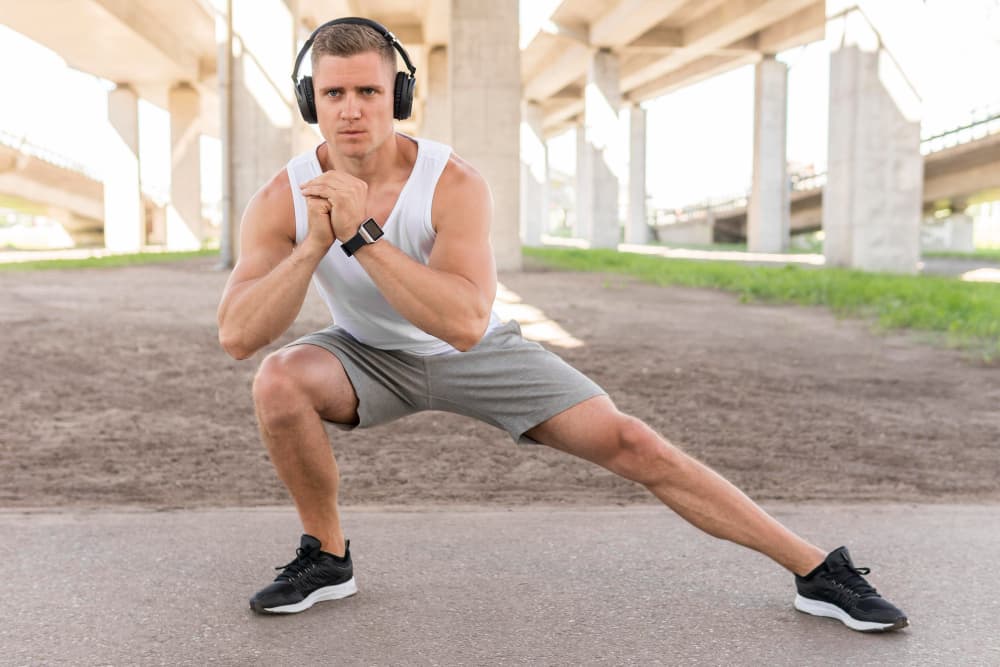
5. Lateral Lunges
- Step out to the side, bending the leading knee while keeping the trailing leg straight.
- Push through your heel to return to the starting position.
Benefit: Engages adductors dynamically while also working quads and glutes.
6. Adductor Machine
- Sit on the adductor machine at the gym.
- Place your legs against the pads and slowly squeeze them together.
Benefit: Simple, effective, and great for beginners to build adductor strength.
How to Program Adductor Training
You don’t need to dedicate an entire workout just to adductors. Instead, integrate these exercises into your leg days or functional training sessions.
- Beginners: 2–3 adductor exercises, 2 sets of 12–15 reps.
- Intermediate/Advanced: 3–4 adductor exercises, 3–4 sets of 8–12 reps.
- Athletes: Include adductor work 2–3 times per week for injury prevention and performance enhancement.
Common Mistakes to Avoid
When training adductors, watch out for these common mistakes:
- Neglecting Warm-Up: Always warm up your hips and legs before starting to prevent groin strains.
- Poor Form: Avoid swinging your legs; controlled movement is key.
- Overtraining: Overworking the adductors without proper recovery can lead to injury.
- One-Dimensional Training: Relying only on machines instead of incorporating dynamic, functional movements.
Benefits of Strong Adductors Beyond the Gym
Strong adductor muscles aren’t just about aesthetics or performance. They also support daily functional movements:
- Walking and climbing stairs with better stability.
- Reduced risk of falls in older adults.
- Improved posture and pelvic alignment.
- Better flexibility and range of motion for activities like yoga or pilates.
Train Smarter with MyFitnessCoach
If you want to take your adductor training and overall fitness to the next level, the MyFitnessCoach app makes it simple. With a vast library of guided workouts, including leg training, adductor isolation exercises, flexibility programs, and injury prevention routines, the app ensures you never skip this critical muscle group.
You can also:
- Track your progress with workout logs.
- Explore custom workout and meal plans.
- Access rehab and prehab routines for safer training.
- Follow professional step-by-step video instructions.
Instead of guessing, you’ll know exactly how to train your adductors and every other muscle group.
Conclusion
The adductor muscles are often overlooked but are vital for lower-body strength, stability, and athletic performance. Whether your goal is injury prevention, stronger legs, or improved sports performance, adductor training deserves a permanent spot in your routine.
From sumo squats to Copenhagen planks, there are plenty of effective ways to target and strengthen these inner thigh muscles. By training them consistently, you’ll see improvements in balance, stability, and overall leg development.
To make your fitness journey more structured and effective, download the MyFitnessCoach app today. With guided workouts, diet planning, and progress tracking, it’s the perfect companion for building strong, functional legs, adductors included.
Similar Articles
Stay informed with these similar articles.
MyFitnessCoach
February 20, 2025
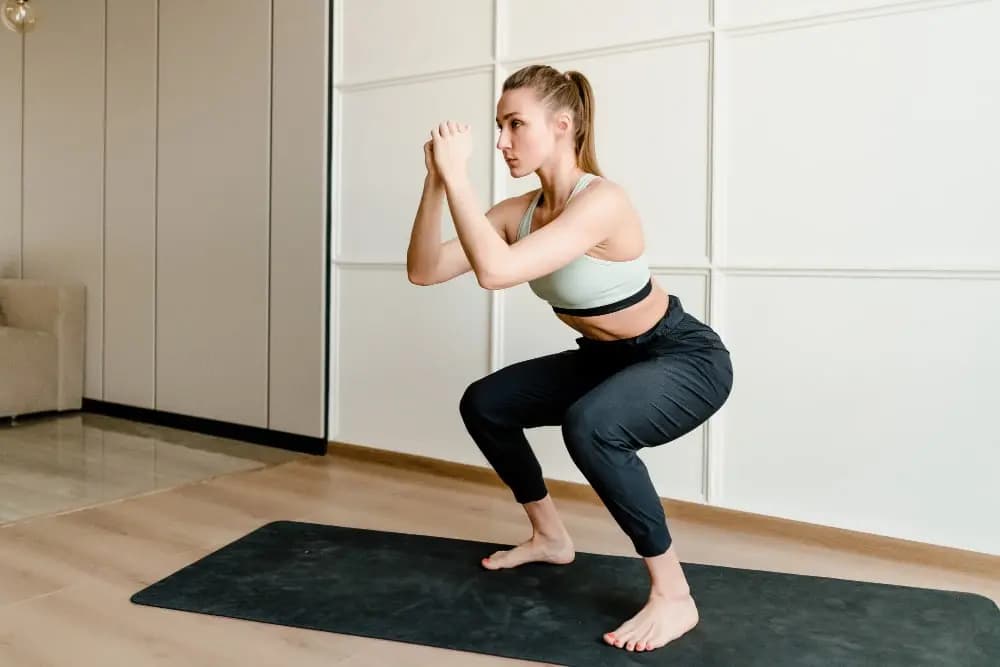
Sitting Squat Exercise: A Simple Way to Boost Your Fitness
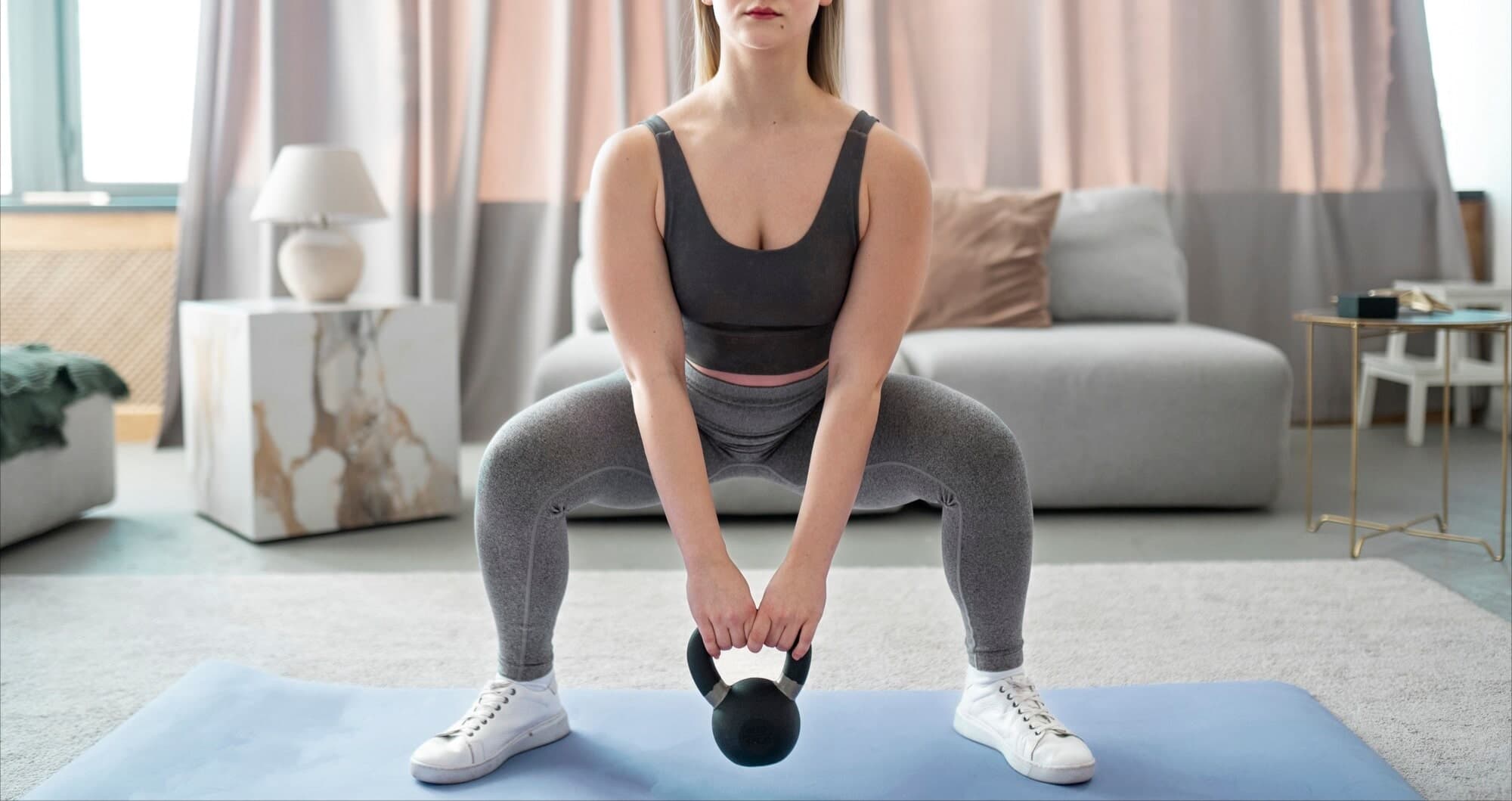
When it comes to fitness, sometimes the simplest exercises can have the biggest impact. One such exercise is the sitting squat. It’s easy to learn, requires no equipment, and can be done almost anywhere. Whether you're a beginner or a fitness enthusiast, the sitting squat is a great way to strengthen your lower body, improve flexibility, and burn calories. In this article, we’ll explore what the sitting squat is, its benefits, how to do it correctly, and how you can incorporate it into your fitness routine using the MyFitnessCoach app.
MyFitnessCoach
March 4, 2025
Deficit Sumo Squats: A Complete Guide to Building Strength and Mobility
When it comes to exercises that strengthen the lower body, squats are one of the most important and commonly used movements. They help build muscle, improve endurance, and enhance overall fitness. However, if you want to challenge yourself and make your leg workouts even more effective, you might want to try a more advanced variation known as deficit sumo squats.
MyFitnessCoach
December 4, 2024
What Are the Benefits of Yoga and Pilates for Fitness?
Yoga and Pilates have gained immense popularity over the years, both offering a multitude of health benefits for those who practice them regularly. If you’re looking to improve strength, flexibility, mental clarity, and overall fitness, you may find these exercises are the perfect solution. This article dives into the many benefits of yoga and Pilates, how they differ, and why they can be effective when integrated into a fitness routine. And by the end, we’ll also discuss how the MyFitnessCoach app can help you make the most of these practices in your fitness journey.