
Recovery Day Meals: Refuel and Recharge

MyFitnessCoach
March 24, 2025
When you finish a tough workout or spend a long day doing physical activities, your body needs time to rest and heal. Taking a break to recover is just as important as exercising because it gives your muscles the chance to repair any damage, rebuild themselves, and grow stronger. One of the most important parts of the recovery process is the food you eat. The meals you choose on your recovery day can either help your body recover properly or slow down your progress. In this article, we will discuss why recovery day meals matter, the best foods to eat, and how a fitness app like MyFitnessCoach can support you in making the right choices to stay on track.
Why Are Recovery Day Meals Important?
When you exercise, your muscles experience tiny tears, and your energy stores (glycogen) get depleted. Recovery day meals help:
- Repair Muscle Tissues: Protein-rich foods provide amino acids that rebuild muscle fibers.
- Replenish Energy: Carbohydrates restore glycogen levels, giving you energy for your next workout.
- Reduce Inflammation: Anti-inflammatory foods like fruits and vegetables help reduce soreness and speed up recovery.
- Hydrate the Body: Fluids and electrolytes lost during exercise need to be replaced to maintain optimal performance.
Skipping proper nutrition on recovery days can lead to fatigue, muscle loss, and slower progress. That’s why planning your meals is crucial.
What to Eat on a Recovery Day
Your recovery day meals should focus on a balance of macronutrients (protein, carbs, and fats) and micronutrients (vitamins and minerals). Here’s a breakdown of what to include:
1. Protein for Muscle Repair
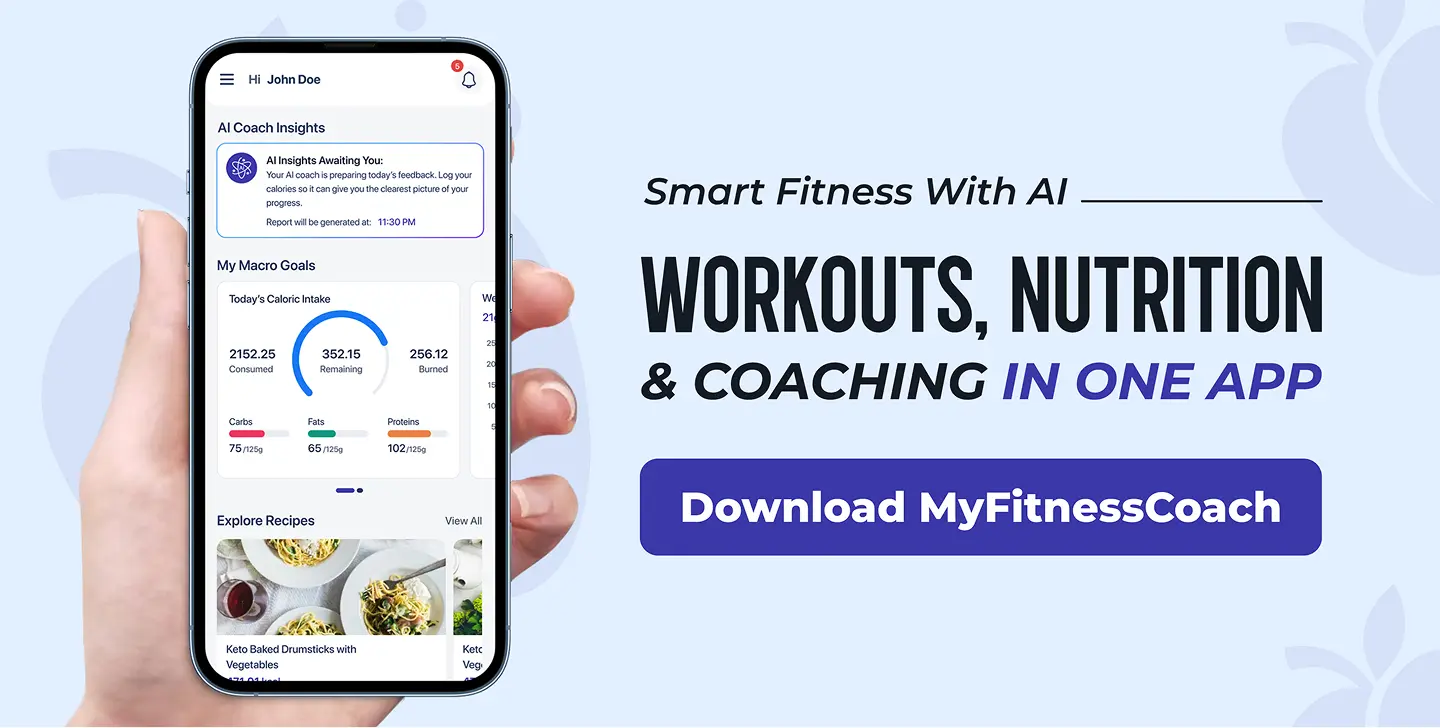
Protein is the building block of muscles. On recovery days, aim for lean protein sources like:
- Chicken breast
- Fish (salmon, tuna)
- Eggs
- Greek yogurt
- Plant-based options like tofu, lentils, and chickpeas
Aim for 20-30 grams of protein per meal to maximize muscle repair.
2. Carbohydrates to Replenish Energy
Carbs are not the enemy! They are essential for restoring glycogen levels. Choose complex carbs that provide sustained energy, such as:
- Whole grains (brown rice, quinoa, oats)
- Sweet potatoes
- Whole wheat bread or pasta
- Fruits like bananas, berries, and apples
3. Healthy Fats for Joint Health
Healthy fats reduce inflammation and support joint health. Include sources like:
- Avocados
- Nuts and seeds
- Olive oil
- Fatty fish (salmon, mackerel)
4. Hydration and Electrolytes
Don’t forget to drink plenty of water! Add electrolyte-rich foods or drinks like coconut water or a pinch of salt to your meals to replenish lost minerals.
5. Anti-Inflammatory Foods
Foods rich in antioxidants help reduce muscle soreness and speed up recovery. Include:
- Leafy greens (spinach, kale)
- Berries (blueberries, strawberries)
- Turmeric and ginger
- Green tea
Sample Recovery Day Meal Plan
Here’s a simple and balanced recovery day meal plan to inspire you:
Breakfast: Protein-Packed Smoothie Bowl
- Blend Greek yogurt, a banana, spinach, and a scoop of protein powder.
- Top with granola, chia seeds, and fresh berries.
Lunch: Grilled Chicken and Quinoa Salad
- Grill a chicken breast and serve it over a bed of quinoa.
- Add mixed greens, cherry tomatoes, cucumbers, and a drizzle of olive oil.
Snack: Apple with Almond Butter
- Slice an apple and pair it with a tablespoon of almond butter for a satisfying snack.
Dinner: Baked Salmon with Sweet Potato
- Bake a salmon fillet with a sprinkle of turmeric and garlic.
- Serve with a baked sweet potato and steamed broccoli.
Dessert: Dark Chocolate and Nuts
- Enjoy a small piece of dark chocolate with a handful of mixed nuts for a healthy treat.
Tips for Optimizing Recovery Day Meals
- Plan Ahead: Prepare your meals in advance to avoid unhealthy choices.
- Listen to Your Body: If you’re feeling extra sore or tired, increase your protein and carb intake.
- Don’t Skip Meals: Even if you’re not as active, your body still needs fuel to recover.
- Stay Consistent: Make recovery day meals a regular part of your routine to see long-term results.
How MyFitnessCoach Can Help
Planning and tracking your recovery day meals can be overwhelming, especially if you’re juggling a busy schedule. That’s where MyFitnessCoach comes in. This all-in-one fitness app not only helps you plan your workouts but also provides personalized meal plans tailored to your recovery needs.
With MyFitnessCoach, you can:
- Access hundreds of healthy, recovery-focused recipes.
- Track your macronutrient intake to ensure you’re getting the right balance of protein, carbs, and fats.
- Set reminders to stay hydrated and eat on time.
- Monitor your progress and adjust your plan as needed.
Whether you’re a beginner or a seasoned athlete, MyFitnessCoach makes it easy to stay on top of your nutrition and fitness goals.
Conclusion
Recovery day meals are a vital part of any fitness journey. They help your body repair, refuel, and prepare for the next challenge. By focusing on a balance of protein, carbs, healthy fats, and hydration, you can maximize your recovery and achieve your fitness goals faster.
If you’re looking for a simple way to plan and track your recovery day meals, download MyFitnessCoach today. With personalized meal plans, workout routines, and progress tracking, this app is your ultimate partner in fitness and nutrition.
Ready to take your recovery to the next level? Download MyFitnessCoach now and start your journey toward better nutrition, faster recovery, and a healthier you!
Frequently Asked Questions
Similar Articles
Stay informed with these similar articles.
MyFitnessCoach
June 5, 2023
A Guide To Best Type of Foods For Muscle Recovery
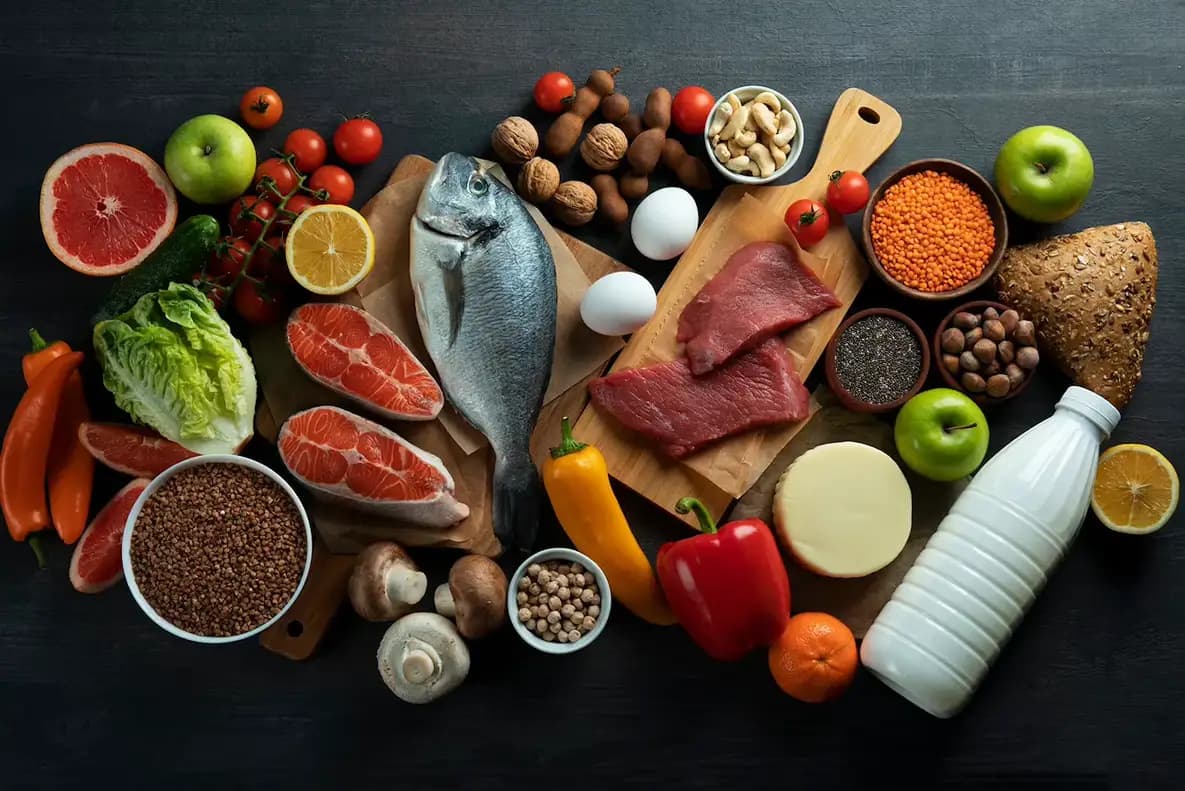
The most vital part of any fitness routine is muscle recovery. In order to perform better, you need to recover your muscles. Your body needs to rebuild and repair muscles during physical exertion or intense workouts. Getting proper nutrition from food is one way to do this.
MyFitnessCoach
November 6, 2023
What is Glycogen: The Body's Energy Reserve
Within the complex workings of the human body, there is a key component called glycogen, which is often likened to a backup of energy. Glycogen is a vital source of power that the body turns to when it requires a rapid surge of energy. Its importance lies in its central role in keeping our blood sugar levels in check and making sure the body always has the required energy for doing any physical activity. To truly understand the importance of glycogen, it's necessary to take a deep dive into what it is, how it forms, where it's stored, and how the body uses it.
MyFitnessCoach
March 24, 2025
Foods That Contain Isoleucine: A Complete Guide
When it comes to building a healthy and fit body, nutrition plays a key role. One of the essential nutrients your body needs is isoleucine. Isoleucine is an essential amino acid, which means your body cannot produce it on its own. You need to get it from the foods you eat. It is especially important for muscle repair, energy production, and overall fitness. In this article, we’ll explore what isoleucine is, why it’s important, and the best foods that contain it. Plus, we’ll show you how the fitness app MyFitnessCoach can help you track and optimize your intake of this vital nutrient.