
Is Green Tea Acidic? Effects & Benefits for Health

MyFitnessCoach
May 29, 2025
Green tea is one of the most popular drinks in the world. People love it for its calming flavor and many health benefits. But one question often comes up: is green tea acidic?
If you’ve ever felt a weird feeling in your stomach after drinking tea, you might be wondering about this too. In this guide, we’ll break it down in a way that’s super easy to understand. We’ll look at what acidity means, how green tea affects your body, and how to enjoy it without problems.
So, grab your mug, and let’s dive in!

Table of Contents
Subscribe to our newslettter
Is Green Tea Acidic or Alkaline? Let’s Find Out
To understand if green tea is acidic, we first need to know what acidity means.
Acidity is measured by something called the pH scale. This scale goes from 0 to 14:
- Anything below 7 is acidic
- A pH of 7 is neutral
- Anything above 7 is alkaline (not acidic)
Most green teas fall between pH 7 and pH 10, which means they are only slightly acidic or even neutral in some cases. So no, green tea is not strongly acidic like soda or coffee.
Key point: While green tea has a little acidity, it’s very gentle on the stomach for most people.
What Makes Green Tea Slightly Acidic?
The small amount of acid in green tea comes from natural plant compounds. These include:
- Tannins – these give tea its taste but can upset some tummies.
- Catechins – strong antioxidants that protect your cells.
- Amino acids – help relax your brain and body.
These healthy compounds are part of why people drink green tea in the first place. But they also make the tea just a little acidic.
Is Green Tea Acidic Enough to Hurt Your Stomach or Teeth?
Most people can drink green tea with no problems at all. However, some people with sensitive stomachs or acid reflux might feel a bit uncomfortable after drinking it, especially on an empty stomach.
Here are a few things to keep in mind:
For the Stomach:
- Green tea is much less acidic than coffee or soda.
- Drink it after meals, not on an empty stomach, to avoid irritation.
- Try decaf green tea if caffeine bothers you.
For the Teeth:
Green tea does not cause tooth decay like soda, but the small acid level can still affect your enamel if you drink a lot without rinsing your mouth.
Tip: Rinse your mouth with water after drinking tea to protect your teeth.
Health Benefits of Green Tea
Even though we asked, “Is green tea acidic?” — it’s more important to look at the big picture. Green tea is packed with health perks that make it one of the best drinks for your body.
1. Antioxidants Galore
Green tea is full of antioxidants like EGCG, which help fight cell damage and boost your immune system.
2. Heart Health
It can help lower bad cholesterol and support a healthy heart.
3. Brain Boost
Green tea helps you stay focused without giving you the jitters that coffee does.
4. Weight Loss
Green tea helps your body burn fat naturally. That’s why many fitness lovers add it to their routine.
Want to build a healthy lifestyle? Try the MyFitnessCoach app! It’s an all-in-one fitness app that helps with workouts, food tracking, and even relaxing practices like yoga and meditation.
How to Make Green Tea Less Acidic (For Sensitive Stomachs)
If you feel any discomfort after drinking green tea, don’t worry. There are simple tricks to enjoy it without the acid effect.
1. Brew It Right
Don’t use boiling water. Hot water brings out more acid. Use warm water (around 160°F/70°C) to reduce acidity.
2. Skip the Lemon
Adding lemon increases the acidity. Skip it if your tummy is sensitive.
3. Add a Splash of Milk
A little milk (dairy or plant-based) can lower the acid impact.
4. Choose Low-Acid Teas
Some types of green tea like matcha and sencha are easier on the stomach.
Is Green Tea Good for Acid Reflux?
If you suffer from acid reflux, you may wonder if green tea is safe. While green tea is lower in acid than other drinks, it still contains caffeine and tannins, which can trigger symptoms in some people.
Try decaf green tea, and avoid drinking it on an empty stomach. Talk to your doctor if you’re unsure.
MyFitnessCoach: Your Guide to Healthy Living
Want to enjoy green tea and live a healthier life?
The MyFitnessCoach app has everything you need:
- Custom workout and diet plans
- Food and drink logging (yes, even tea!)
- Yoga and meditation to reduce stress
- Fitness tracking from your smartwatch
- Workout builder and rehab programs
It’s the one app you need to stay fit, healthy, and feeling great!
Final Thoughts: Should You Worry?
So, is green tea acidic? Yes, but only a little. It’s one of the least acidic drinks you can enjoy. Most people don’t have any issues with it, and the health benefits far outweigh the tiny bit of acid it contains.
If you have acid reflux or a sensitive stomach, just follow our easy tips. Brew it gently, avoid lemon, and drink it after meals.
And if you want to make healthy living even easier, download the MyFitnessCoach app. From workouts to food logging, it's your all-in-one guide to a better you green tea included!
Download MyFitnessCoach today on iOS or Android and start tracking your green tea habits, workouts, and nutrition all in one simple app made just for you!
Frequently Asked Questions
Similar Articles
Stay informed with these similar articles.

MyFitnessCoach
May 28, 2023
Discover the Best Heart Health Exercises for 2023 and Beyond
The heart is a vital organ that pumps oxygenated blood to all body parts. Oxygen and essential nutrients are paramount for all organs to function correctly. Your overall well-being is guaranteed with the health of your heart. All other body organs rely solely on the heart to provide blood to function. A healthy heart is also responsible for a robust immune system by circulating white blood cells.

MyFitnessCoach
November 26, 2024
Complete Guide on How to Lose Belly Fat
Losing belly fat is a common goal for many people, and it’s an important step toward better health. Excess belly fat can lead to health risks like diabetes and heart disease. The good news? It’s possible to lose belly fat with the right approach to diet and exercise. If you’re wondering how to lose belly fat, here’s a guide that blends science with practical solutions, including tools like MyFitnessCoach to make your journey easier.
MyFitnessCoach
June 2, 2025
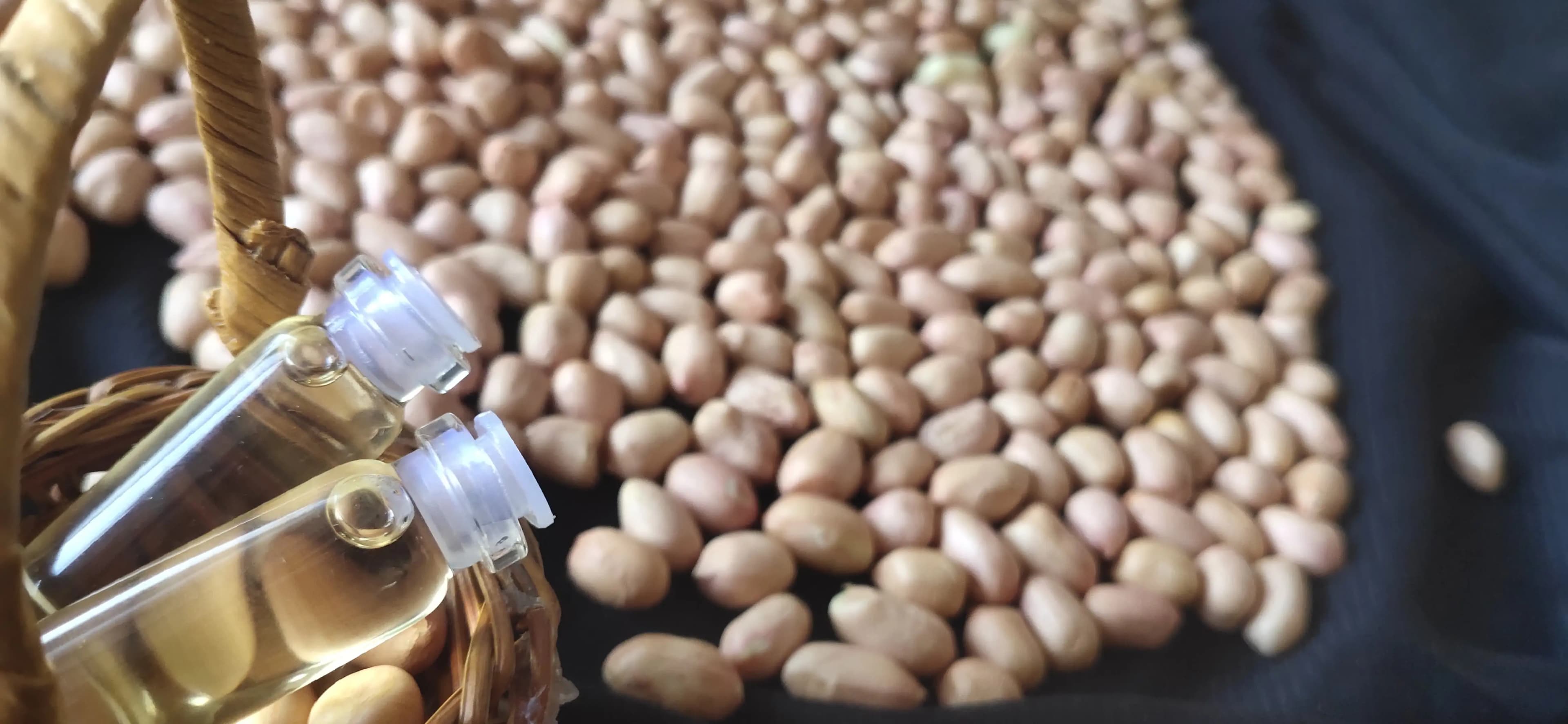
6 Best Peanut Oil Substitute: Healthy & Easy Alternatives
Need a peanut oil substitute for your meals? Whether you're cooking, baking, or trying something new, there are plenty of healthy, easy-to-find oils you can use instead. Explore healthy, easy, and allergy-friendly options for cooking, frying, and baking, plus get expert support from MyFitnessCoach, your all-in-one fitness app.