
How Much Protein Per Meal for Health and Fitness?

MyFitnessCoach
March 27, 2025
Protein is an essential nutrient that your body needs to function properly. It plays a crucial role in many aspects of health, including muscle growth, weight management, and overall physical wellness. Whether your goal is to lose extra body fat, gain muscle strength, or simply maintain good health, consuming enough protein is important. However, you might wonder how much protein you should include in a single meal to get the best results. Another common question is whether the timing of protein intake makes a difference. Let’s explore these questions in more detail.
In this guide, we’ll break it down in simple words—no confusing science, just clear answers. Plus, we’ll show you how MyFitnessCoach, a smart fitness app, can help you track your protein and reach your goals faster.
Table of Contents
Subscribe to our newslettter
Why Protein is Important for Your Body
Before we talk about how much protein you need per meal, let’s understand why protein is so important.
1. Builds and Repairs Muscles
When you work out, your muscles get tiny tears. Protein helps repair them, making your muscles stronger and bigger over time.
2. Keeps You Full and Reduces Cravings
Protein takes longer to digest than carbs, so it keeps you full for hours. This helps with weight loss because you’ll snack less.
3. Boosts Metabolism (Helps Burn Calories)
Your body burns more calories digesting protein than carbs or fats. This means eating more protein can help you lose fat faster.
4. Supports Strong Bones and Immunity
Protein isn’t just for muscles—it also keeps your bones strong and helps your immune system fight sickness.
How Much Protein Should You Eat Per Meal?
Now, the big question: How much protein is best per meal?
The Simple Answer: 20-40 Grams Per Meal
Research shows that eating 20-40 grams of protein per meal is the best range for most people. Here’s why:
- For Muscle Growth: Your body can only use a certain amount of protein at once to build muscle. Studies show that 20-40 grams per meal is enough to maximize muscle repair.
- For Weight Loss: Eating protein with every meal helps control hunger and keeps your metabolism high.
- For General Health: Even if you’re not into fitness, spreading protein throughout the day keeps your energy stable.
What Happens If You Eat Too Much Protein in One Meal?
Some people believe that if consuming 30 grams of protein is beneficial, then doubling the amount to 60 grams must be even better. However, this is not necessarily true. Your body has a limit on how much protein it can effectively use at one time. Any excess protein that your body does not need immediately may either be converted into energy or stored as fat, rather than providing additional benefits.
Protein Needs Based on Your Goals
Not everyone needs the same amount of protein. Here’s a simple breakdown:
1. For Sedentary People (Little to No Exercise)
- Daily Protein: 0.8g per kg of body weight (Example: A 70kg person needs about 56g per day)
- Per Meal: ~15-20g (if eating 3-4 meals)
2. For Active People (Regular Exercise, Fitness Goals)
- Daily Protein: 1.2–2.2g per kg (Example: A 70kg person needs 84–154g per day)
- Per Meal: ~25-40g (if eating 3-5 meals)
3. For Bodybuilders & Strength Athletes
- Daily Protein: Up to 2.2–2.5g per kg (Example: A 90kg bodybuilder may need 198–225g per day)
- Per Meal: ~30-50g (if eating 5-6 meals)
Best Protein Sources for Each Meal
Not all protein is the same. Some foods digest faster, some slower. Here are the best options:
Animal-Based Proteins (Fast & Complete)
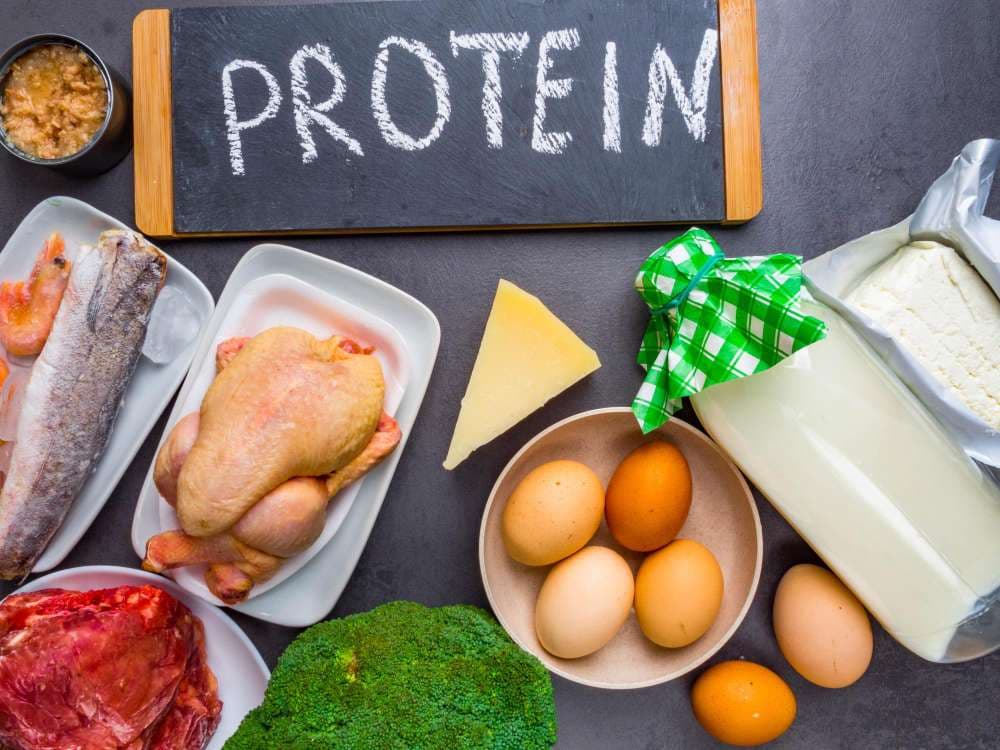
- Chicken breast (100g) = 31g protein
- Eggs (2 large) = 12g protein
- Greek yogurt (170g) = 15-20g protein
- Salmon (100g) = 22g protein
Plant-Based Proteins (Great for Vegans)
- Lentils (1 cup cooked) = 18g protein
- Tofu (100g) = 8-10g protein
- Quinoa (1 cup cooked) = 8g protein
- Peanut butter (2 tbsp) = 7g protein
Protein Shakes (Quick & Convenient)
- Whey protein (1 scoop) = 20-25g protein
- Plant-based protein powder = 15-20g protein
When Should You Eat Protein? (Timing Matters!)
1. Breakfast – Kickstart Your Day
Eating protein in the morning helps control hunger and keeps energy stable.
- Good choices: Eggs, Greek yogurt, protein smoothie
2. Pre/Post-Workout – Fuel & Recovery
- Before workout: 15-20g protein for energy
- After workout: 20-40g protein for muscle repair
- Good choices: Chicken, protein shake, cottage cheese
3. Before Bed – Slow Digestion for Overnight Repair
Casein protein (found in cottage cheese) digests slowly, helping muscles recover while you sleep.
- Good choice: Cottage cheese, casein protein shake
Common Protein Myths (Don’t Believe These!)
Myth 1: “Your body can’t absorb more than 30g per meal.”
Truth: It absorbs all protein but may not use extra for muscle.
Myth 2: “Protein shakes are necessary for muscle growth.”
Truth: Whole foods work just as well—shakes are just for convenience.
Myth 3: “High-protein diets damage kidneys.”
Truth: Only a problem if you already have kidney issues.
How MyFitnessCoach Helps You Track Protein
Struggling to hit your protein goals? MyFitnessCoach makes it super easy!
- Tracks daily protein intake – Log meals and see if you’re on track.
- Meal plans based on goals – Get high-protein recipes for muscle gain or weight loss.
- Smart workout plans – Match your diet with the right exercises.
Whether you're a beginner or a pro, MyFitnessCoach personalizes everything for your fitness journey.
Final Tip: Spread Protein Throughout the Day
Instead of eating most of your protein at dinner, try spreading it across meals like this:
- Breakfast: 25g (eggs + yogurt)
- Lunch: 30g (chicken + quinoa)
- Snack: 15g (protein bar)
- Dinner: 35g (salmon + lentils)
This keeps your muscles fueled all day!
Ready to Hit Your Protein Goals?
Stop guessing and start tracking with MyFitnessCoach!
Download now and get:
- Personalized meal plans
- Easy protein tracking
- Workouts that match your diet
Your fitness journey starts today—get the app now! 🚀
Frequently Asked Questions
Similar Articles
Stay informed with these similar articles.

MyFitnessCoach
July 9, 2023
Achieving Optimal Physical Wellness: A Holistic Guide
Physical wellness is an integral part of our overall well-being, encompassing the health of our body, mind, and spirit. A balanced lifestyle, healthy habits, and nurturing our bodies are key factors in achieving peak performance. In this comprehensive guide, we will explore the essential components of physical wellness and provide actionable steps to enhance your overall health.

MyFitnessCoach
November 20, 2024
How to Lose Weight Fast: Effective and Simple Tips
Losing weight is a goal many strive for, whether it’s to feel better, boost confidence, or improve health. If you’re wondering how to lose weight fast, you’ve come to the right place. In this guide, we’ll share practical and safe methods for quick weight loss that don’t rely on extreme diets or excessive exercise. By the end, you'll also discover how "MyFitnessCoach" can support your journey to a healthier you.
MyFitnessCoach
September 28, 2023
What Do Proteins Do: The Unsung Heroes of Life
Proteins: They are the unsung heroes of life, silently performing countless essential tasks inside our bodies and all living organisms. While you may have heard of proteins in the context of a high-protein diet for muscle building, their roles extend far beyond just that. This article will discuss the fascinating world of proteins, exploring what they are, what they do, and why they are crucial for life itself. So let’s dive in: