
High Volume - Low Calorie Foods: A Guide to Healthy Eating
MyFitnessCoach
October 24, 2023
Living a healthy lifestyle doesn't mean you have to stop eating. It's more about picking the right things to eat. One of the main things that can help you manage your weight is eating foods that have a lot of volume but not too many calories. These kinds of foods let you eat more without worrying about gaining too much weight. They're not just good for managing your weight, they also help you achieve physical wellness. In this article, we will look at different types of foods that can help you stay healthy without giving up on delicious food.
Table of Contents
Subscribe to our newslettter
Understanding High Volume, Low-Calorie Foods
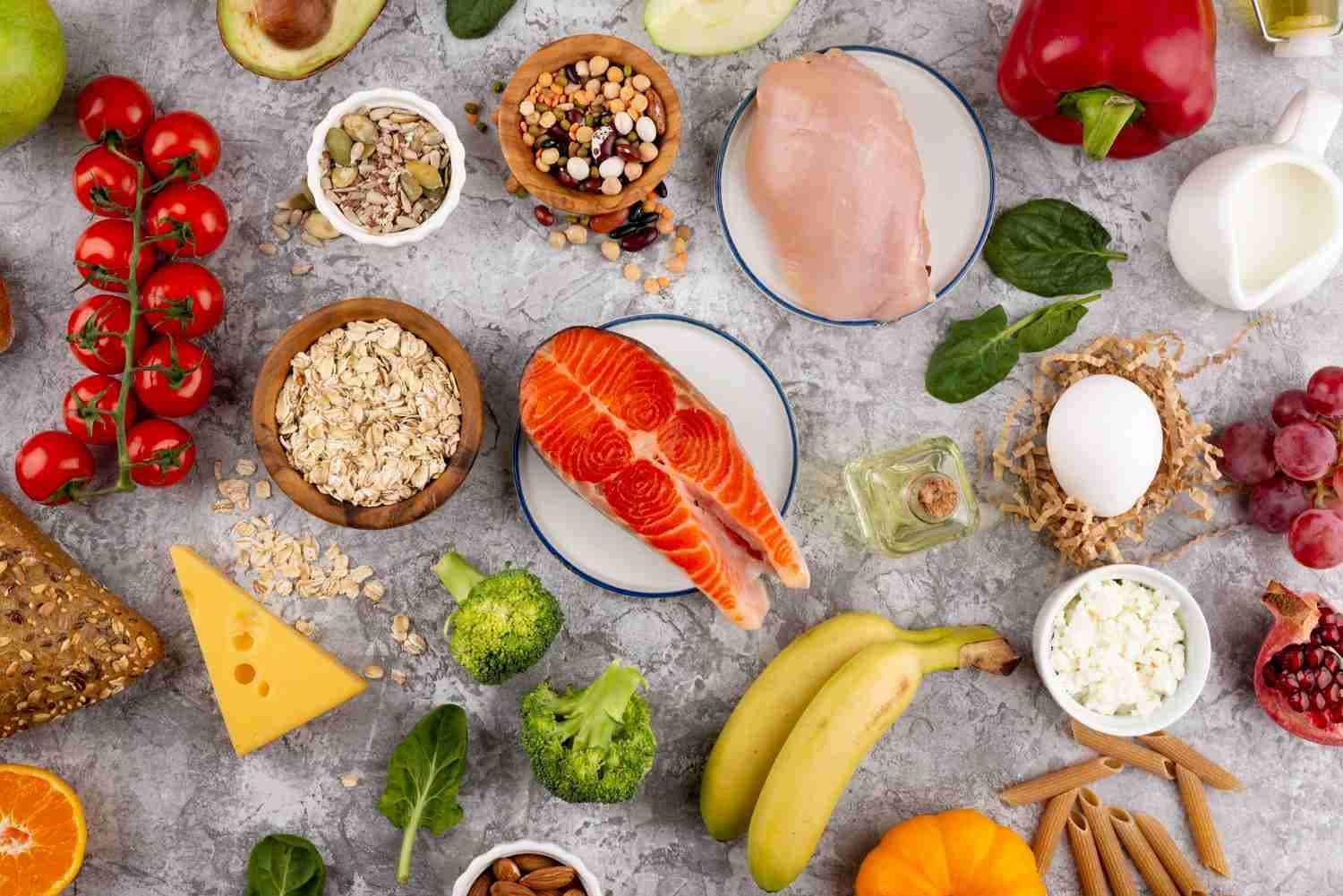
High volume, low calorie foods are like nutrient-packed treasures with only a small number of calories in each bite. These foods are like a treasure chest filled with vitamins, minerals, and fiber, which our body needs to stay healthy. The magic lies in picking foods that make you feel full but don't pile on too many calories. When you make these foods a regular part of your meals, it's like having a secret weapon to keep you feeling full while making sure you don't eat too many calories.
Leafy Greens: A Nutrient Powerhouse
Leafy greens, such as spinach, kale, and lettuce, are fantastic examples of foods that you can eat a lot of without taking in too many calories. These greens are loaded with vitamins A, C, and K, and they also have important things like iron and calcium in them, which are good for your body. You can enjoy them in different ways - in salads, smoothies, or even cooked dishes. They give your body the important stuff it needs and also make you feel full for a long time, which can help you keep your weight in check.
Crunchy Vegetables: Adding Texture to Your Plate
Vegetables such as cucumbers, bell peppers, and celery contain very few calories and have lots of water and fiber. These crispy treats can make your meals more interesting without making you take in lots of extra calories. They are great for snacking or as side dishes and you can eat them as they are or cook them a little, which keeps all the good stuff in them. Because they have so much water, these vegetables can help you stay hydrated, which is really important for your physical fitness.
Fruits: Nature's Sweet Treats
Fruits are not just delicious; they can also be very filling and make for great, low-calorie snacks. Choices such as berries, watermelon, and oranges are filled with lots of good stuff like vitamins, minerals, and antioxidants, which are really good for you, especially if you like sweet things. Even though they have natural sugars, the fiber in them can help keep your blood sugar levels in check and make your tummy happy. Adding different kinds of fruits to what you eat can give you all the important things your body needs and make your sweet tooth very happy.
Lean Proteins: Building Blocks for a Healthy Body
Lean proteins, for instance, chicken, turkey, and fish, play a crucial role in constructing and fixing tissues within the body. They not only contain fewer calories but are also packed with essential nutrients like protein, which can make you feel content and happy. Integrating these lean proteins into your meals can aid in keeping your muscle mass intact while handling your weight. You can keep their nutritious elements intact and diversify your diet by grilling, baking, or steaming these protein sources.
Whole Grains: A Satiating Source of Energy
Whole grains, including quinoa, brown rice, and oats, are high in fiber and essential nutrients. They can provide sustained energy and help regulate blood sugar levels, keeping you feeling full for longer periods. Incorporating whole grains into your diet can also promote digestive health and reduce the risk of chronic diseases such as heart disease and diabetes. By replacing refined grains with whole grains, you can enjoy the benefits of a high volume, low calorie diet while maintaining a balanced and nutritious eating plan.
The Importance of Portion Control
While high volume, low calorie foods offer numerous health benefits, it's essential to practice portion control to achieve the desired results. Even though these foods are lower in calories, consuming them excessively can still lead to weight gain. Being mindful of portion sizes and balancing your meals with a variety of food groups can help you maintain a healthy weight and promote overall well-being.
Incorporating high volume, low calorie foods into your diet can be a sustainable and effective way to manage your weight and improve your overall health. By focusing on nutrient-dense options such as leafy greens, crunchy vegetables, fruits, lean proteins, and whole grains, you can enjoy satisfying meals without compromising on taste or satisfaction. Remember to practice portion control and maintain a balanced diet to achieve your health and wellness goals. By making simple yet mindful choices, you can embark on a journey towards a healthier and more fulfilling lifestyle.
Are you looking to make healthier choices and manage your weight effectively? MyFitnessCoach app got your back. With a comprehensive database of high volume, low calorie foods, the app provides personalized meal plans tailored to your dietary preferences and health goals. Track your intake of nutrient-dense options, explore delicious recipes, and receive expert tips on portion control. Whether you're a fitness enthusiast or just beginning your wellness journey, the MyFitnessCoach app is here to support and guide you every step of the way. Download the app now and embark on a path towards a healthier, more balanced lifestyle.
Frequently Asked Questions
Similar Articles
Stay informed with these similar articles.

MyFitnessCoach
July 9, 2023
Achieving Optimal Physical Wellness: A Holistic Guide
Physical wellness is an integral part of our overall well-being, encompassing the health of our body, mind, and spirit. A balanced lifestyle, healthy habits, and nurturing our bodies are key factors in achieving peak performance. In this comprehensive guide, we will explore the essential components of physical wellness and provide actionable steps to enhance your overall health.

MyFitnessCoach
July 2, 2023
What is Physical Fitness And How To Stay Active And Healthy
Physical fitness is an all-encompassing term for the health and well-being of a person's body as a whole. Most of the time, the term "physical fitness" refers to any daily physical exercise. It also means keeping your body in the best shape possible, which gives your muscles strength, stamina, and speed for different kinds of physical activities. Getting and staying physically fit is important for a healthy and well-balanced life. This article aims to delve into the components of physical fitness, its benefits, and the strategies for achieving optimal health and well-being:

MyFitnessCoach
August 10, 2023
How to Gain Weight: A Guide to Healthy Weight Gain
If you've been struggling to put on weight and are tired of hearing advice about weight loss, you're not alone. While many people focus on losing weight, there are individuals who are trying to gain weight for various reasons, such as building muscle, improving energy levels, or recovering from an illness.