
Foods That Contain Isoleucine: A Complete Guide
MyFitnessCoach
March 24, 2025
When it comes to building a healthy and fit body, nutrition plays a key role. One of the essential nutrients your body needs is isoleucine. Isoleucine is an essential amino acid, which means your body cannot produce it on its own. You need to get it from the foods you eat. It is especially important for muscle repair, energy production, and overall fitness. In this article, we’ll explore what isoleucine is, why it’s important, and the best foods that contain it. Plus, we’ll show you how the fitness app MyFitnessCoach can help you track and optimize your intake of this vital nutrient.
Table of Contents
Subscribe to our newslettter
What is Isoleucine?
Isoleucine is one of the three branched-chain amino acids (BCAAs), along with leucine and valine. These amino acids are crucial for muscle growth, recovery, and energy during workouts. Isoleucine helps your body produce energy, repair muscle tissue, and maintain proper blood sugar levels. It also supports immune function and helps your body recover after intense physical activity.
Since your body cannot make isoleucine, you need to include it in your diet. Whether you’re an athlete, a fitness enthusiast, or someone just trying to stay healthy, consuming enough isoleucine is essential for optimal performance and recovery.
Why is Isoleucine Important for Fitness?
- Muscle Repair and Growth: Isoleucine helps repair muscle tissue after exercise, making it a must-have for anyone who works out regularly.
- Energy Boost: It plays a role in energy production, helping you power through tough workouts.
- Immune Support: Isoleucine strengthens your immune system, keeping you healthy and active.
- Blood Sugar Regulation: It helps regulate blood sugar levels, which is important for maintaining energy throughout the day.
Now that you know why isoleucine is important, let’s dive into the best foods that contain this essential amino acid.
Top Foods That Contain Isoleucine
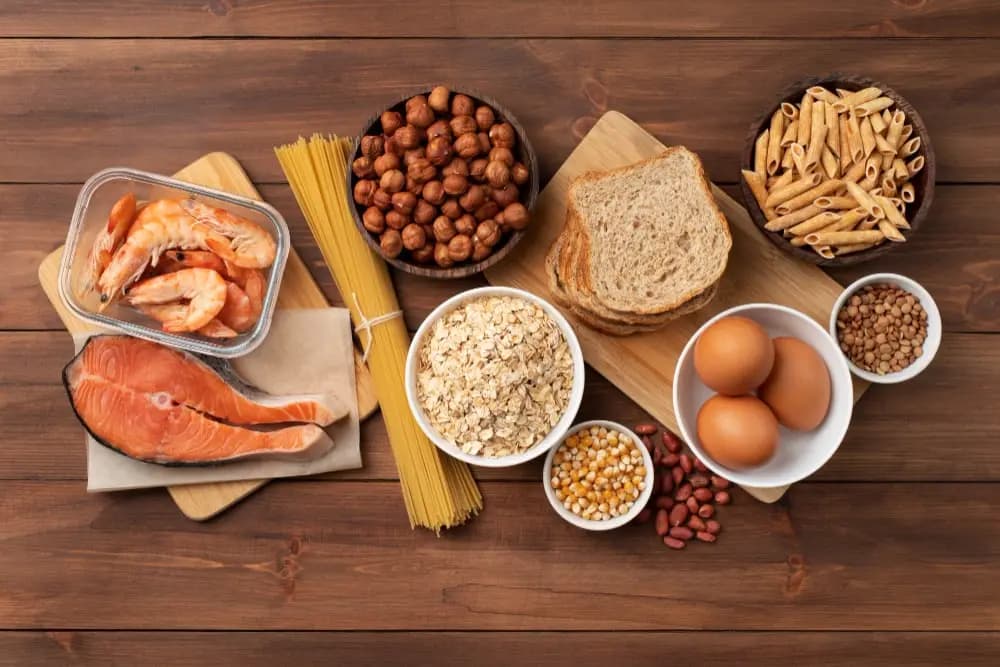
Here’s a list of foods rich in isoleucine. Including these in your diet can help you meet your daily needs:
1. Meat and Poultry
- Chicken breast
- Turkey
- Beef
- Pork
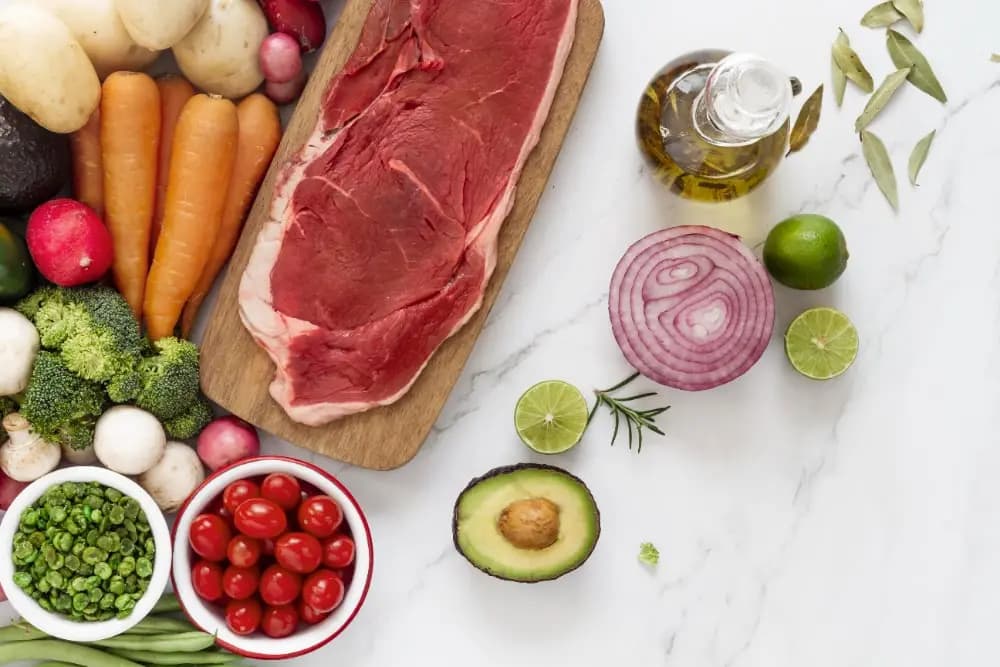
Meat and poultry are excellent sources of isoleucine. For example, a 100-gram serving of chicken breast provides about 1.5 grams of isoleucine. These foods are also high in protein, making them perfect for muscle building and recovery.
2. Fish and Seafood
- Tuna
- Salmon
- Shrimp
- Cod
Fish and seafood are not only rich in isoleucine but also packed with omega-3 fatty acids, which are great for heart health. A 100-gram serving of salmon contains about 1.2 grams of isoleucine.
3. Eggs
Eggs are a complete protein source, meaning they contain all nine essential amino acids, including isoleucine. One large egg provides about 0.4 grams of isoleucine.
4. Dairy Products
- Milk
- Cheese
- Yogurt
- Whey protein
Dairy products are another great source of isoleucine. For example, a cup of milk contains about 0.3 grams of isoleucine. Whey protein, a popular supplement among fitness enthusiasts, is also rich in this amino acid.
5. Legumes and Beans
- Lentils
- Chickpeas
- Black beans
- Soybeans
Legumes and beans are plant-based sources of isoleucine, making them ideal for vegetarians and vegans. A cup of cooked lentils provides about 0.3 grams of isoleucine.
6. Nuts and Seeds
- Almonds
- Pumpkin seeds
- Sunflower seeds
- Peanuts
Nuts and seeds are not only rich in healthy fats but also contain isoleucine. A handful of almonds (about 28 grams) provides about 0.2 grams of isoleucine.
7. Whole Grains
- Quinoa
- Brown rice
- Oats
- Barley
Whole grains are a good source of isoleucine, especially for those on a plant-based diet. Quinoa, in particular, is a complete protein and contains all essential amino acids.
8. Soy Products
- Tofu
- Tempeh
- Edamame
Soy products are a fantastic plant-based source of isoleucine. A 100-gram serving of tofu provides about 0.4 grams of isoleucine.
How Much Isoleucine Do You Need?
The recommended daily intake of isoleucine varies depending on your age, weight, and activity level. On average, adults need about 10-20 milligrams of isoleucine per kilogram of body weight per day. For example, if you weigh 70 kilograms, you’ll need around 700-1400 milligrams of isoleucine daily.
Athletes and people who engage in intense physical activity may need more to support muscle repair and recovery. This is where tracking your intake becomes important.
How MyFitnessCoach Can Help You Track Isoleucine Intake
If you’re serious about fitness and nutrition, tracking your isoleucine intake is a smart move. That’s where MyFitnessCoach comes in. This fitness app is designed to help you achieve your health and fitness goals by providing personalized meal plans, tracking your nutrient intake, and offering workout routines tailored to your needs.
With MyFitnessCoach, you can:
- Log your meals and track your isoleucine intake.
- Get personalized recommendations for foods rich in isoleucine.
- Monitor your progress and adjust your diet as needed.
- Access workout plans that complement your nutrition goals.
Whether you’re trying to build muscle, lose weight, or simply stay healthy, MyFitnessCoach makes it easy to stay on track. The app’s user-friendly interface and expert guidance ensure you’re getting the nutrients you need to perform at your best.
Conclusion
Isoleucine is a vital nutrient that plays a key role in muscle repair, energy production, and overall fitness. By including isoleucine-rich foods like meat, fish, eggs, dairy, legumes, nuts, and whole grains in your diet, you can ensure your body gets the fuel it needs to perform at its best.
To make tracking your isoleucine intake and fitness goals easier, download MyFitnessCoach today. This app is your ultimate partner in achieving a healthier, fitter you. With personalized meal plans, workout routines, and nutrient tracking, MyFitnessCoach takes the guesswork out of fitness and nutrition.
Frequently Asked Questions
Similar Articles
Stay informed with these similar articles.

MyFitnessCoach
December 4, 2024
How Does Sleep Impact Recovery and Performance?
In the world of fitness, many people focus on training hard, eating well, and staying consistent. While these are all vital for achieving your fitness goals, there's another component that’s equally essential but often overlooked: sleep. Quality sleep doesn’t just make you feel refreshed; it’s a critical factor that affects your body’s ability to recover and perform at its best. In this article, we’ll dive into the role of sleep in muscle recovery, injury prevention, athletic performance, and how improved sleep can make a difference in your fitness journey.

MyFitnessCoach
September 19, 2023
How Many Calories Should I Eat to Lose Weight?
Many individuals struggle to lose excess weight, yet the path to achieving this goal can often be confusing. An essential aspect of weight management revolves around the number of calories you take into your body. In this article, we will understand the science of calorie consumption for the purpose of weight reduction with some uncomplicated steps. Our aim is to provide clarity and help you grasp the appropriate calorie intake required to shed those extra pounds.
MyFitnessCoach
March 27, 2025
The Science Behind Refeeds: How Strategic Eating Boosts Fat Loss
If you have ever tried to lose weight by following a diet, you may have experienced the frustration of seeing little or no progress after a while. In the beginning, you might notice changes, but over time, even though you are eating less food and exercising more, the number on the scale seems to stay the same. This can be discouraging and make you wonder what you are doing wrong.