
The Symptoms of Wearing The Wrong Running Shoe - Explained
MyFitnessCoach
December 18, 2023
Selecting the perfect running shoes is similar to discovering the ideal companion for your feet. Similar to how wearing shoes that don't match can cause you to trip during a dance, opting for the wrong running shoes can bring about a variety of issues for both your feet and your overall physical wellness. In this discussion, we'll delve into the symptoms and effects of wearing wrong running shoes that don't fit well, emphasizing the importance of finding the proper fit. Let's get into the details of how wrong running shoes can impact you and why it's so crucial to make sure your shoes fit just right.
Table of Contents
Subscribe to our newslettter
Understanding the Wrong Fit
Picture yourself putting on shoes that feel too snug or too floppy when you go for a run. It's not just about feeling a bit uncomfortable; it can actually be harmful. Wearing shoes that don't fit well can bring about a variety of problems, starting from annoying blisters to more severe injuries. Let's take a closer peek at the signs you could notice:
1. Blisters and Calluses
Wearing running shoes that don’t fit properly can cause friction between your skin and the shoe material. This friction leads to blisters, painful pockets of fluid that form on your skin. Calluses, hardened and thickened areas of skin, can also develop due to constant rubbing.
2. Pain and Discomfort
If your shoes are too tight or too loose, they can cause pain in various areas, such as the toes, arches, or heels. This discomfort can extend beyond your feet, affecting your knees, hips, and even your lower back as you compensate for the improper shoe fit while running.
3. Increased Risk of Injury
Wearing the wrong running shoes can significantly increase your risk of injuries. Strains, sprains, and stress fractures become more likely when your feet don’t have the proper support and cushioning they need during physical activity.
4. Foot Deformities
Continuously wearing shoes that don’t fit right can lead to foot deformities over time. Conditions like bunions (an enlargement of the joint at the base of the big toe), hammertoes (toes that become bent at the middle joint), and other structural issues might develop.
5. Reduced Performance
Apart from physical discomfort, improper shoes can hinder your running performance. Your walk might be affected, causing inefficiencies in your walk and potentially slowing you down.
The Ripple Effects on Your Body
The consequences of wearing the wrong running shoes don't just stop at your feet; they can have a ripple effect on your whole body. Let's take a closer look at how these poorly fitting shoes can influence different parts of your body:
Legs and Knees
When your feet don't get the right support, the force from each step can travel up your legs, which might lead to knee discomfort or make existing knee problems, like runner’s knee (also known as patellofemoral pain syndrome), worse.
Hips and Lower Back
Walking or running in shoes that don't feel right can make your body move in a way that's not good for it. This can mess up how your hips and spine line up. When they're not aligned well, it can put stress on your lower back and, as time goes on, this might turn into long-lasting back pain. So, it's really important to make sure your shoes fit well to avoid these kinds of problems.
Muscle Fatigue
When your shoes don't give your feet enough support, your body tries to make up for it by making some muscles work extra hard. This extra effort can throw off the balance in your muscles, making them tired more quickly. This tiredness increases the chance of getting hurt muscles while you're out running. So, it's important to have shoes that support your feet well to keep your muscles happy and avoid the risk of injuries when you're on the run.
Finding the Right Fit
Now that we understand the risks of wearing the wrong running shoes, it's crucial to know how to find the right pair:
Get Properly Sized
Visit a specialized store where experts can measure your feet accurately. Remember, your shoe size might differ between brands.
Consider Your Running Style
Factors like your arch type, pronation (the way your foot rolls inward when you run), and the type of terrain you run on should influence your shoe choice.
Test Them Out
Don’t be shy to jog around the store to get a feel for the shoes. Ensure they’re comfortable and provide adequate support.
Replace Regularly
Running shoes wear out over time. Replace them after every 300-500 miles or when you notice visible signs of wear and tear.
Your running shoes are your companions on the track or the trail. Choosing the wrong pair can lead to a flow of discomfort and potential injuries, impacting not just your feet but your entire body. Prioritize finding the right fit, understanding your foot’s needs, and replacing worn-out shoes regularly to ensure a smooth and injury-free running experience.
Remember, your feet deserve the best, so lace up with care and let every stride be a comfortable and enjoyable journey!
Ready to take the next step towards a healthier, injury-free running experience? Download the MyFitnessCoach app now and let our expert guidance help you find the perfect fit for your running shoes. From personalized workouts to tips on choosing the right footwear, we've got your back – and your feet! Lace up, hit the road, and let's make every stride count. Your journey to a better run starts here.
Frequently Asked Questions
Similar Articles
Stay informed with these similar articles.
MyFitnessCoach
October 18, 2023
What Does Body Goals Mean? A Path to a Healthy Lifestyle
In the world we live in now, lots of people talk about "body goals," which means having a body that's seen as perfect. On social media, in magazines, and on TV, we see lots of pictures of people with what seems like perfect bodies, which makes us feel like we have to look like them. But the real meaning of "body goals" is more than just looking good. It's about taking care of your whole self, not just how you look. In this article, we will discuss what does body goals actually mean and how you can achieve your body goals. Let’s get started:
.webp&w=3840&q=75)
MyFitnessCoach
September 5, 2023
How Much Protein in an Egg | The Nutritional Power
Eggs have long been a breakfast favorite for many, and for good reason. They're not only delicious but also packed with essential nutrients, making them a versatile and nutritious addition to your diet. One of the most common questions about eggs is, "How much protein is in an egg?" In this comprehensive guide, we'll delve into the world of eggs and explore their protein content, nutritional benefits, and how they can contribute to a balanced diet.
MyFitnessCoach
May 18, 2023
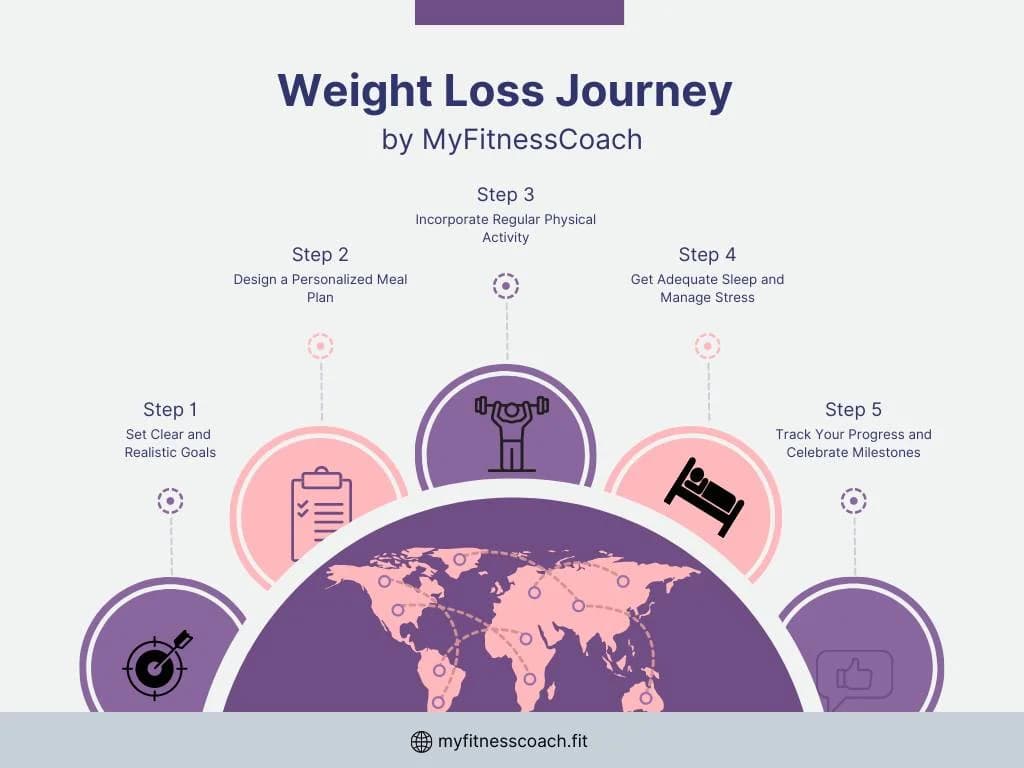
Fitness Guide: How Do I Start A Weight Loss Journey
Ready to start on a life-changing weight-loss journey? Congratulations for taking the first step towards being a better and happier version of yourself! Starting off a weight-loss journey may be both satisfying and stressful. With so much information available, having a well-defined plan and trusted assistance in achieving your goals is important. This article will help you start your weight-loss journey and achieve the results you desire.