
Pink Salt Recipe: 5 Alarming Facts Before You Try It
MyFitnessCoach
July 13, 2026
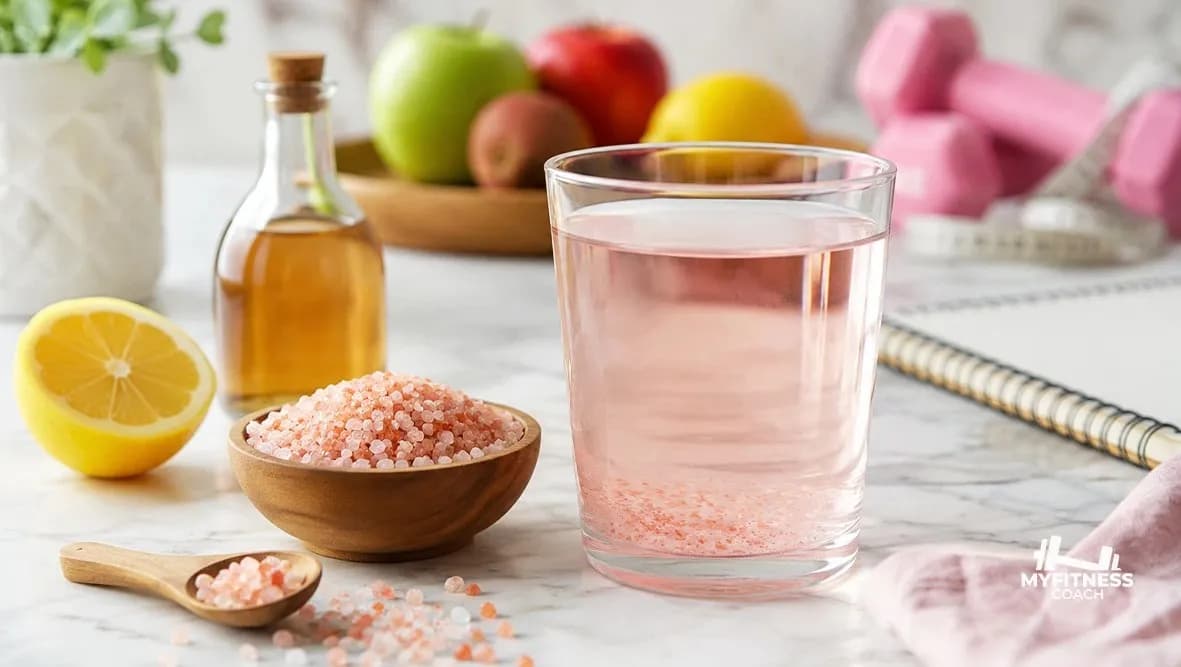
Your feed shows a glass of pink-tinted water next to a caption promising it melts fat while you sleep. You've probably scrolled past it three times this week alone. The pink salt recipe is one of 2026's most-searched weight loss trends, and it's worth knowing exactly what it does before you make it part of your morning.
The pink salt recipe is a drink made by dissolving pink Himalayan salt in water, sometimes with lemon, honey, or apple cider vinegar added, and it's marketed online as a natural fat-loss shortcut. As someone who reviews nutrition trends for a living, I've watched this exact pattern before: a simple ritual gets dressed up as a metabolic fix. Here's what actually holds up.
Table of Contents
Subscribe to our newslettter
What Is the Pink Salt Recipe, Exactly?
The pink salt recipe is a mix of pink Himalayan salt and water, usually about ⅛ to ¼ teaspoon of salt per 8–12 ounces, sometimes with lemon juice or honey stirred in. People typically drink it first thing in the morning on an empty stomach.
It's also called the "pink salt trick," "sole water," or the "pink salt water trick." Some versions add apple cider vinegar or cayenne pepper for an extra "metabolism boost." None of these additions change what the drink is: flavored salt water.
The one-line version is worth remembering: it's a hydration ritual wearing a weight-loss costume.
Does the Pink Salt Recipe Actually Cause Weight Loss?
No. There's no research showing that pink Himalayan salt causes fat loss, boosts metabolism, or burns calories. Registered dietitians interviewed on this exact trend in late 2025 were blunt about it: adding sodium to water doesn't trigger fat burning by any known mechanism.
Here's the thing pink salt does have trace minerals like magnesium, potassium, and calcium. But the amounts in a quarter-teaspoon are nutritionally tiny, nowhere near enough to meaningfully affect digestion, metabolism, or weight. You'd get more usable minerals from a handful of almonds or a banana.
What can happen is water retention. Extra sodium pulls water into your tissues, and some people feel puffier the next day, not slimmer. That's fluid, not fat, and it usually reverses once sodium intake normalizes.
Some people argue the ritual itself matters more than the ingredients, that a consistent morning drink builds a habit loop that supports better choices later in the day. That's fair, and there's some truth to it. But the benefit there comes from the water and the routine, not the salt, and you can build the same habit without the extra sodium.
Where This Trend Actually Came From
This drink didn't start with a lab or a dietitian. It spread through short-form video, in the same family as "Oatzempic" and other salt- or vinegar-based hacks that promised GLP-1-like results without the prescription. Fact-checking outlets, including Snopes, have documented that several viral clips showing celebrities like Oprah Winfrey endorsing a pink salt drink are AI-generated deepfakes; she has never promoted this recipe.
That matters beyond the "gotcha." Fake celebrity endorsements are a recurring tactic used to push wellness fads, and they work precisely because a familiar face lowers your guard. If a recipe's credibility rests on a celebrity clip, that's the moment to check the source, not follow it.
From our research: every recipe circulating in 2026 uses a different ratio, anywhere from a pinch to half a teaspoon per glass, with zero standardization. That inconsistency is itself a tell there's no calibrated "dose" behind this, because there's no mechanism it's dosing toward.
The Sodium Math: What's Really in One Glass
A standard pink salt recipe, about ¼ teaspoon of salt in 8 ounces of water, adds roughly 500 milligrams of sodium to your day. The USDA's Dietary Guidelines recommend most adults stay under 2,300 milligrams of sodium daily. One glass alone can eat up a fifth of that budget before breakfast.
That's not automatically dangerous for a healthy adult having one glass. But it adds up fast if you're also eating regular meals, and it's a meaningful number for anyone already managing blood pressure.
Pink Salt vs. Table Salt vs. Sea Salt: Does the Type Matter?
Not for weight loss. Here's how the three compare per teaspoon:
| Salt Type | Sodium (approx.) | Trace Minerals | Iodine |
| Table Salt | ~2,300 mg | Minimal | Usually fortified |
| Sea Salt | ~2,000–2,300 mg | Trace amounts, varies by source | Rarely fortified |
| Pink Himalayan Salt | ~1,900–2,300 mg | Trace magnesium, potassium, calcium | Not fortified |
The sodium content is roughly comparable across all three once you account for crystal size and how tightly grains pack into a teaspoon. Pink salt's mineral content is a marketing point, not a metabolic one. One overlooked detail: because pink salt isn't iodine-fortified like most table salt, relying on it as your only salt source can matter for thyroid health over time.
.webp)
Who Should Skip This Drink Entirely
Talk to your doctor before trying any salted drink if you fall into any of these groups:
- You have high blood pressure or hypertension
- You have chronic kidney disease
- You have heart failure or another cardiac condition
- You're pregnant
- You've been told to follow a low-sodium diet
- You're already close to your daily sodium limit from meals
This isn't medical advice, and any of the above conditions is a real reason to check with a clinician first, not a chatbot or a recipe blog.
A Safer Version, If You Still Want to Try It
If you want the ritual without turning it into a sodium bomb, here's a more conservative version:
- Pour 12–16 oz of water into a glass
- Add no more than ⅛ teaspoon of pink Himalayan salt
- Stir until fully dissolved
- Add a squeeze of lemon juice if you like the flavor
- Sip slowly over 10–15 minutes rather than drinking it in one go
Worth screenshotting: more salt does not equal more benefit here. The ritual works the same at an eighth of a teaspoon as it does at half.
What Actually Moves the Scale
None of the ingredients in this drink cause fat loss. What does work is far less exciting, and it's the same short list every time: a consistent calorie deficit, enough protein to stay full and preserve muscle, regular movement, and decent sleep.
If the pink salt ritual gets you into a habit of drinking more water and swapping out a sugary morning drink, that swap is doing the actual work, not the salt. A food and macro tracker, like the one built into MyFitnessCoach, makes that kind of swap easier to see and stick with, because you're watching real numbers instead of guessing.
Small, boring, repeatable habits beat a viral drink every time. That's not the exciting answer, but it's the one that holds up a year later.
Trying a viral drink is easy. Building a routine that actually gets you results takes a little more structure. Start by tracking what you already eat and drink for three days; you'll usually find the real lever for weight loss hiding in plain sight.
Ready to see what's actually moving the needle for you? Log your first meal in MyFitnessCoach and get a clear picture of your day.
Similar Articles
Stay informed with these similar articles.
MyFitnessCoach
October 18, 2023
What Does Body Goals Mean? A Path to a Healthy Lifestyle
In the world we live in now, lots of people talk about "body goals," which means having a body that's seen as perfect. On social media, in magazines, and on TV, we see lots of pictures of people with what seems like perfect bodies, which makes us feel like we have to look like them. But the real meaning of "body goals" is more than just looking good. It's about taking care of your whole self, not just how you look. In this article, we will discuss what does body goals actually mean and how you can achieve your body goals. Let’s get started:
.webp&w=3840&q=75)
MyFitnessCoach
September 5, 2023
How Much Protein in an Egg | The Nutritional Power
Eggs have long been a breakfast favorite for many, and for good reason. They're not only delicious but also packed with essential nutrients, making them a versatile and nutritious addition to your diet. One of the most common questions about eggs is, "How much protein is in an egg?" In this comprehensive guide, we'll delve into the world of eggs and explore their protein content, nutritional benefits, and how they can contribute to a balanced diet.
MyFitnessCoach
May 18, 2023
Fitness Guide: How Do I Start A Weight Loss Journey
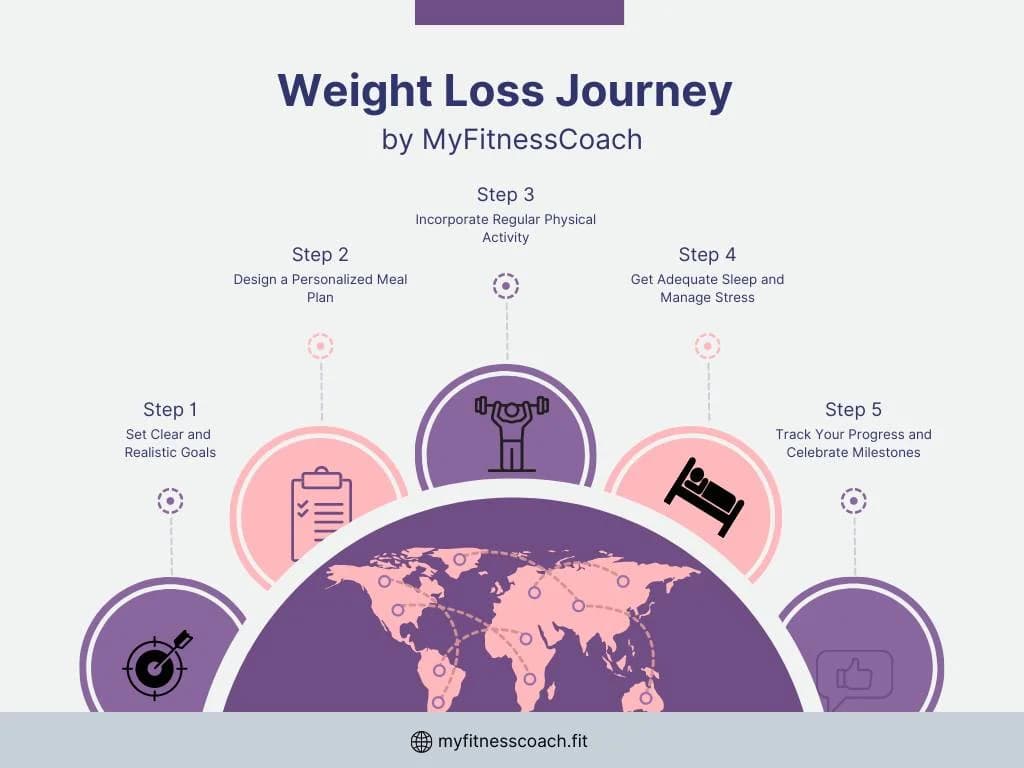
Ready to start on a life-changing weight-loss journey? Congratulations for taking the first step towards being a better and happier version of yourself! Starting off a weight-loss journey may be both satisfying and stressful. With so much information available, having a well-defined plan and trusted assistance in achieving your goals is important. This article will help you start your weight-loss journey and achieve the results you desire.