
What is the Impact of Alcohol on Fitness Performance?
MyFitnessCoach
December 18, 2024
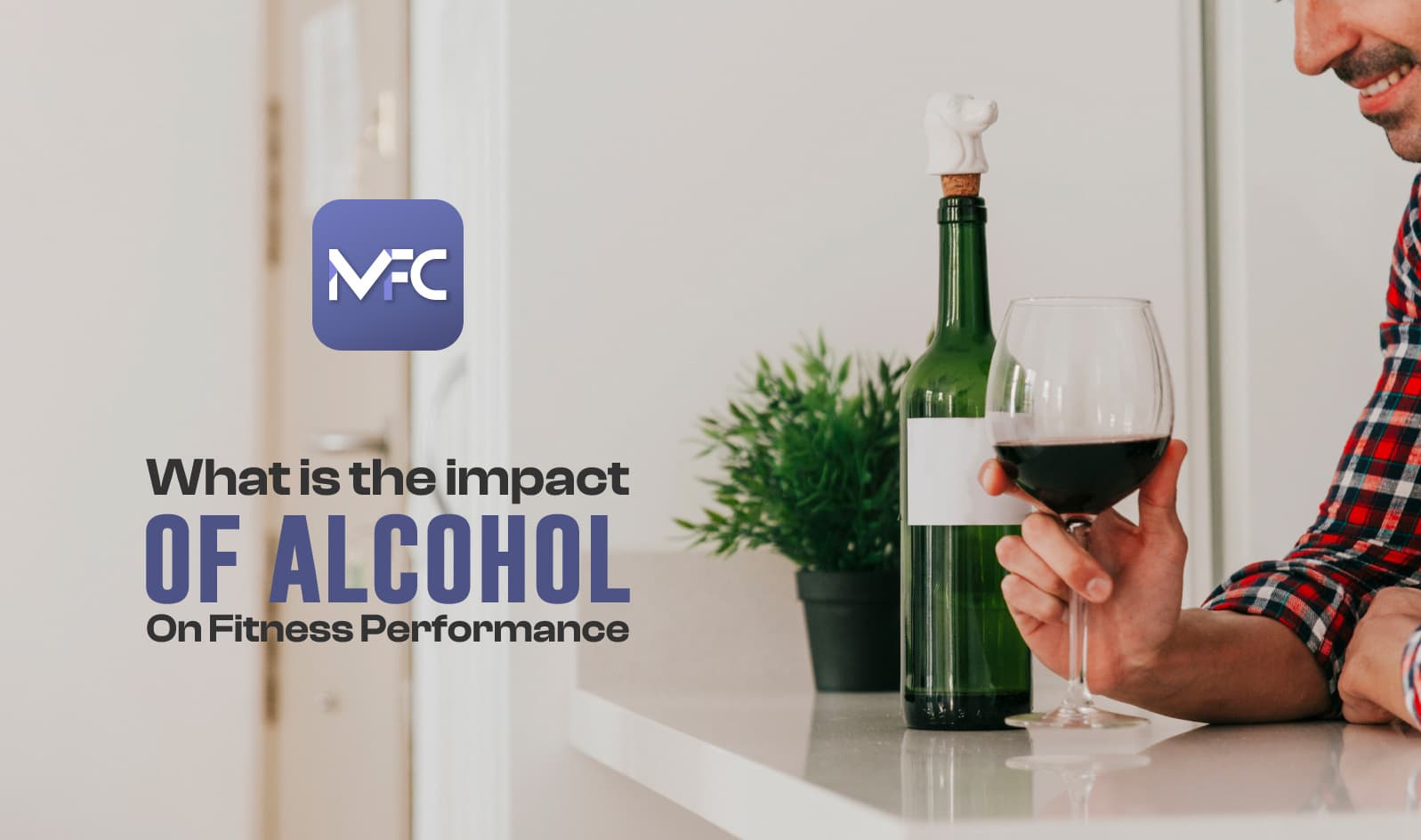
When it comes to fitness, many people focus on workout routines, nutrition, and recovery techniques to maximize performance. However, one often overlooked factor is alcohol. While alcohol might seem harmless, it can have a significant impact on fitness performance, potentially hindering progress and recovery.
This article will explore how alcohol affects fitness. It will discuss how alcohol impacts your body. You will also learn how to make smart choices to stay on track with your fitness goals.
We will also look at how MyFitnessCoach, your favorite fitness app, can help you improve your workouts. It will keep you focused on your goals.
Table of Contents
Subscribe to our newslettter
What is the Impact of Alcohol on Fitness Performance?
Alcohol is a depressant, meaning it slows down the central nervous system, which can impair motor skills, decision-making, and reaction time. When consumed, alcohol can affect your fitness performance in a variety of ways, both short-term and long-term. Let's break down how alcohol impacts your body and fitness progress:
1. Dehydration and Electrolyte Imbalance
Alcohol is a diuretic, meaning it promotes urination, which can lead to dehydration. Dehydration is detrimental to fitness performance as it affects muscle function, endurance, and overall energy levels. When dehydrated, your body also loses vital electrolytes, which are essential for muscle contraction and nerve function. This imbalance can lead to muscle cramps, fatigue, and slower recovery times after intense workouts.
MyFitnessCoach Tip: The app tracks your hydration levels and reminds you to stay hydrated before, during, and after your workout, helping to counteract the dehydration caused by alcohol consumption.
2. Reduced Muscle Recovery
Alcohol consumption affects muscle recovery by inhibiting protein synthesis, which is essential for muscle repair and growth after a workout. Studies have shown that drinking alcohol post-workout can delay recovery by interfering with the body’s ability to repair damaged muscle tissues. This means that your muscles may not recover as efficiently, slowing down progress toward your fitness goals.
MyFitnessCoach Tip: Use the app’s recovery tracking features to monitor your recovery progress and ensure you’re giving your muscles the time and care they need to repair.
3. Disrupted Sleep Patterns
Alcohol might help you fall asleep faster, but it disrupts the quality of your sleep. It reduces the amount of REM sleep you get, which is crucial for muscle recovery, hormone regulation, and overall health. Poor sleep can leave you feeling tired, sluggish, and less motivated to train the next day, reducing the effectiveness of your workouts.
MyFitnessCoach Tip: The app can sync with your sleep tracker and provide personalized insights into your sleep quality, allowing you to optimize recovery even if you’ve consumed alcohol.
4. Impaired Coordination and Performance
Even small amounts of alcohol can impair motor skills, balance, and coordination, increasing the risk of injury during physical activity. Alcohol affects the brain's ability to process information and respond to stimuli, which can hinder your performance in sports and exercises that require focus and precision.
MyFitnessCoach Tip: MyFitnessCoach offers a variety of exercises that don’t require heavy coordination. If you’ve had a drink, you can opt for low-impact workouts that are easier on the body and safer to perform.
5. Altered Hormone Levels
Alcohol consumption can lower testosterone levels and increase cortisol levels, two hormones critical to muscle growth and repair. Lower testosterone can reduce your strength and endurance, while higher cortisol can promote fat storage, particularly around the abdomen. These hormonal imbalances can make it more challenging to achieve your fitness goals.
MyFitnessCoach Tip: The app’s fitness programs are designed to maximize muscle growth and fat loss, with specific workouts targeting the balance of these hormones. Pair your workout plan with healthy habits to counteract alcohol's negative effects.
How Alcohol Affects Different Fitness Goals
Strength and Muscle Building
If your goal is to increase strength or muscle mass, alcohol can significantly hinder your progress. As mentioned earlier, alcohol reduces protein synthesis, which is crucial for muscle repair and growth. It can also lead to a decrease in overall strength and endurance, making it harder to lift heavy weights or complete intense workouts.
Endurance and Cardiovascular Fitness
For those focusing on endurance, alcohol can have a similarly negative impact. Dehydration, disrupted sleep, and decreased energy levels all combine to reduce stamina and cardiovascular performance. If you’re training for an event like a marathon or a cycling race, consuming alcohol could slow your progress and make it harder to improve your times.
Fat Loss
If fat loss is your primary goal, alcohol can throw a wrench in your efforts. Alcoholic beverages are calorie-dense, and excessive drinking can lead to increased fat storage. Furthermore, alcohol interferes with the body's fat-burning processes and can cause you to make poor food choices, which could hinder your diet and exercise regimen.
What You Can Do to Mitigate Alcohol's Effects on Fitness
While alcohol can negatively impact fitness performance, there are steps you can take to reduce its effects:
1. Moderation is Key
The best way to prevent alcohol from interfering with your fitness progress is to consume it in moderation. Limit the number of drinks you have, and avoid drinking heavily, especially on days when you plan to work out.
2. Stay Hydrated
Since alcohol causes dehydration, it’s essential to stay hydrated. Drink water before, during, and after consuming alcohol to help counterbalance its dehydrating effects. You can use MyFitnessCoach to track your daily water intake and ensure you're staying on top of hydration.
3. Choose Your Workout Wisely
If you plan to drink, opt for lower-intensity workouts the next day, such as yoga, walking, or light cycling. Avoid high-intensity training or weightlifting until you’re fully recovered from alcohol consumption.
4. Focus on Recovery
Make recovery a priority by getting enough sleep, eating a nutritious meal, and engaging in stretching or foam rolling. MyFitnessCoach provides personalized recovery plans that help you bounce back after a workout, especially if alcohol has disrupted your recovery process.
5. Prioritize Nutrition
Eat a well-balanced meal before and after drinking to help stabilize blood sugar levels and provide your body with the nutrients it needs. Eating protein-rich foods can help mitigate some of the muscle damage caused by alcohol.
While alcohol can have a negative impact on fitness performance, its effects don’t have to derail your progress. By drinking in moderation, staying hydrated, and prioritizing recovery, you can minimize the impact of alcohol on your fitness goals. MyFitnessCoach is here to help you stay on track, offering features that enhance your performance and optimize your workouts.
Whether you’re aiming for muscle growth, fat loss, or improved endurance, remember that informed choices and consistent effort are key to reaching your fitness potential.
Similar Articles
Stay informed with these similar articles.
MyFitnessCoach
October 18, 2023
What Does Body Goals Mean? A Path to a Healthy Lifestyle
In the world we live in now, lots of people talk about "body goals," which means having a body that's seen as perfect. On social media, in magazines, and on TV, we see lots of pictures of people with what seems like perfect bodies, which makes us feel like we have to look like them. But the real meaning of "body goals" is more than just looking good. It's about taking care of your whole self, not just how you look. In this article, we will discuss what does body goals actually mean and how you can achieve your body goals. Let’s get started:
.webp&w=3840&q=75)
MyFitnessCoach
September 5, 2023
How Much Protein in an Egg | The Nutritional Power
Eggs have long been a breakfast favorite for many, and for good reason. They're not only delicious but also packed with essential nutrients, making them a versatile and nutritious addition to your diet. One of the most common questions about eggs is, "How much protein is in an egg?" In this comprehensive guide, we'll delve into the world of eggs and explore their protein content, nutritional benefits, and how they can contribute to a balanced diet.
MyFitnessCoach
May 18, 2023
Fitness Guide: How Do I Start A Weight Loss Journey
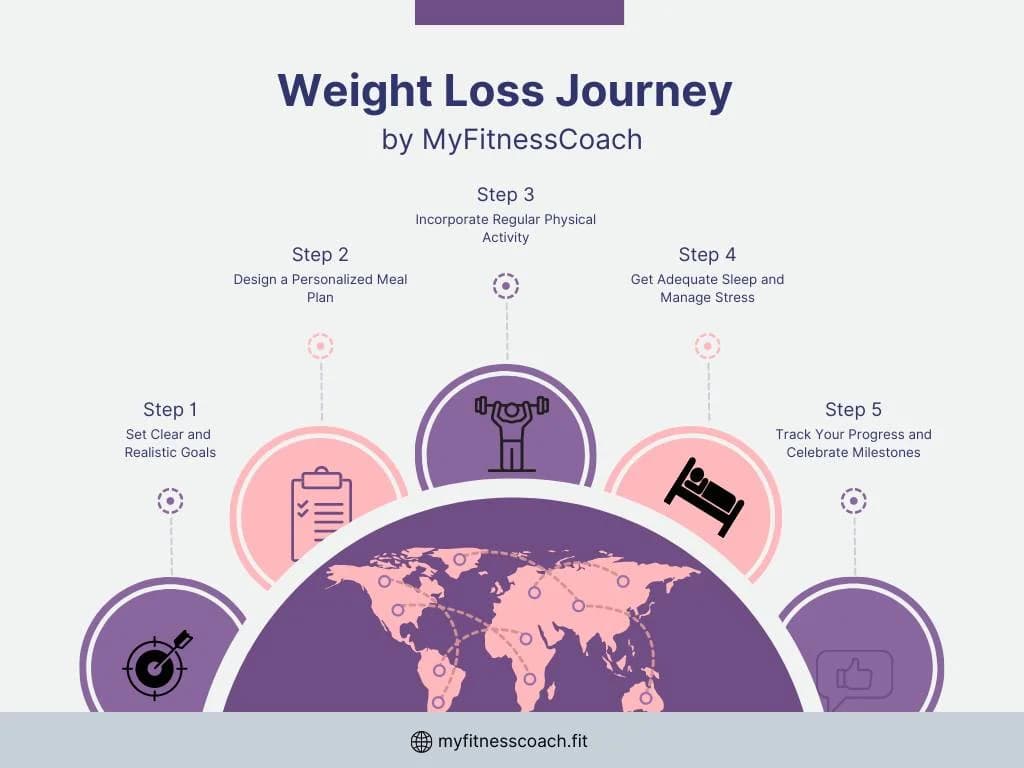
Ready to start on a life-changing weight-loss journey? Congratulations for taking the first step towards being a better and happier version of yourself! Starting off a weight-loss journey may be both satisfying and stressful. With so much information available, having a well-defined plan and trusted assistance in achieving your goals is important. This article will help you start your weight-loss journey and achieve the results you desire.