
How Many Calories Are in an Egg? Ultimate Nutrition Guide

MyFitnessCoach
June 18, 2026
Eggs deliver unmatched nutritional value whole, complete protein with essential vitamins and minerals per single serving.
What caught our attention early was how size determines everything. A small egg at 38 grams carries 54 calories, while a jumbo option hits 90 calories at 63 grams, a 25 percent difference that matters inside any calorie-controlled diet or weight management plan.
Even average adults consuming one medium-sized egg daily gain selenium, choline, riboflavin, lutein, and zeaxanthin nutrients that support brain development, immunity, bones, and eyes without excessive fat or carbs intake.
Table of Contents
Subscribe to our newslettter
How Many Calories Are in an Egg?
Cracking an egg open tells you little about what's inside nutritionally. A single large egg (50g) packs 72 calories and 301 kJ making it one of nature's most efficient and nutritious fuel sources available.
Their calorie content fits seamlessly into lunch, dinner, salads, soups, sandwiches, and stir-fries, a genuinely versatile food that adapts to every meal without compromising your nutritional goals whatsoever.
What surprises most people is how high quality protein roughly 6 grams comes bundled with only 72 calories per average egg. That precise balance between calorie density and nutrient delivery is why dietitians consistently call eggs one of the healthiest foods in existence.
Calorie Breakdown by Size
Size determines everything with eggs. Understanding this range helps you track intake accurately without relying on generic calorie estimates that misrepresent your actual consumption figures.
The yolk and egg whites split responsibilities cleanly. Egg whites carry protein with virtually no fat, while the yolk holds vitamin D, vitamins A, E, B12, iron, choline, and omega-3 fatty acids the truly nutrient dense half most calorie-counters wrongly discard.
A medium-sized egg registers 66 calories, sitting between small and large options. Whether scrambling, poaching, or boiling, your cooking method affects final calorie output significantly beyond the egg itself.
Nutritional Facts
Eggs deliver a complete protein package with all essential amino acids your body needs for optimal growth and repair.
Every egg packs vitamins including vitamin B12, zinc, and carotenoids that support nerve impulses and signaling pathways. Egg yolk alone carries the majority of fats and minerals your body functions on daily.
The egg white, or albumen, contributes 17–18 calories per serving while delivering muscle development support. Two-thirds of the liquid weight in any egg is pure protein-rich albumen, making eggs nutritionally efficient for anyone on a lower-calorie intake.
How Many Calories in an Egg White?
Separating the egg white from the yolk reveals something most people overlook: the white holds virtually zero fat while delivering clean protein. A single large egg white weighs around 34 grams and contains just 18 calories.
Compared to a whole egg, the white contributes almost no cholesterol making it genuinely useful for anyone watching blood cholesterol levels. With roughly 60 grams yielding only 17 calories, the math clearly favors whites for diet-conscious eating.
Those who cook scrambled eggs using only whites cut significantly more calories than using boiled or poached versions with yolks intact. Swap butter and oil for spray-oil, and the calorie content drops even further, practically negligible.
How Many Calories in a Boiled Egg?
Boiled eggs are among the most calorie-efficient foods you can prepare. A large boiled egg delivers roughly 72 calories and 301 kJ of energy, making it genuinely impressive for its compact size and dense nutritional return.
Most people overlook that boiling keeps the fat content virtually unchanged from the raw state: no cooking oil, no butter meaning the calories you consume reflect the egg's pure, natural profile without any added variables complicating the count.
Unlike fried preparation, boiled and poached methods preserve the nutrient-rich integrity, making them the smartest choice for anyone tracking intake with real discipline and purpose.
How Many Calories in a Fried Egg?
Frying an egg in oil or butter adds more calories than any other cooking method. A plain fried egg sits around 85 to 120 calories, depending on how much fat hits the pan before cooking begins.
Choosing spray-oil over a full pour of margarine makes a real difference when draining excess grease after frying. That single swap can keep your fried egg closer to 85 calories rather than pushing past 120 a meaningful gap for calorie-conscious eaters.
Eggs Benedict fans know that adding hollandaise sauce, Canadian bacon, and an English muffin can push one meal toward 900 calories. The poached alternative saves fat, but a well-managed fried egg with minimal butter remains a satisfying, protein-rich choice.
How Many Calories in Scrambled Eggs?
Scrambled eggs land differently depending on how you cook them. Unlike poached or boiled preparations, the calorie count shifts with every addition butter, milk, or even a light spray-oil changes the final number meaningfully.
Pan-cooked scrambled eggs with butter typically clock 200 to 245 calories, while microwave scrambled eggs with milk sit closer to 170 calories for two eggs a notable gap worth knowing if you're tracking serving intake carefully.
The fat source matters more than most people realize. Olive or canola oil used in a frypan keeps calories lower than processed margarine, while draining excess oil post-cook further reduces the variables affecting your final result.
How Many Calories in Two Eggs?
Two large whole eggs deliver roughly 144 calories and 602 kJ of energy. Most people underestimate this count during meals, yet eggs remain among the most nutritionally dense foods available, supporting body function without unnecessary fat or carbohydrate excess.
Scrambled, poached, or boiled preparation shifts the final calorie count significantly. Adding butter, cheese, or bacon to two eggs can push totals past 400 calories, while keeping them plain preserves their naturally low calorie content for diet-conscious eaters.
Protein, fats, and essential nutrients from two eggs actively support cell growth and keep you full between meals. Eggs at breakfast consistently reduce hunger better than cereal, making them an outstanding weight loss ally.
How Many Kilojoules in an Egg?
Most people track calories, but kilojoules tell a richer story. A large egg of 50 grams carries 301 kJ, while a medium option sits around 276 kJ. Understanding this size-based difference genuinely changes how you plan meals.
Extra-large eggs weighing 56 grams hit around 335 kJ, while small eggs at 38 grams yield closer to 230 kJ. These kilojoules vary with cooking method, particularly when frying adds oil to the equation significantly.
Two eggs together deliver approximately 602 kilojoules. Whether from cartons or farm-fresh, knowing the kJ behind each size helps you make smarter, nutritionally informed decisions daily without guesswork.
Eggs vs. Other Protein Sources: How Do They Compare?
Eggs score a perfect 1.0 on the PDCAAS (Protein Digestibility Corrected Amino Acid Score) the highest possible rating, making them the benchmark against which all other protein sources are measured. Here's how they stack up against common alternatives:
Per gram of protein, eggs are consistently among the most affordable complete protein sources available. To hit 25g of protein from eggs alone, you'd need 4 large eggs at roughly PKR 80–120. The same protein from whey protein powder costs PKR 300–500 per serving. For anyone optimizing nutrition on a realistic budget, eggs are simply unmatched.
When Should You Eat Eggs? Timing for Performance and Weight Loss
The nutritional profile of an egg doesn't change based on when you eat it but timing relative to your workouts and meals significantly affects how well your body uses it:
Pre-Workout
Eating 1–2 boiled eggs about 2 hours before training provides a combination of complete protein and fat that digests slowly giving you steady energy release without the blood sugar spike and crash from carb-heavy snacks. Avoid eating eggs within 30 minutes of training as the fat content can cause discomfort during high-intensity exercise.
Post-Workout
The 30–60 minutes after training is your muscle protein synthesis window. 2–3 whole eggs post-workout deliver all nine essential amino acids needed for muscle repair, alongside leucine the key amino acid that triggers muscle protein synthesis. Research shows whole eggs outperform egg whites alone in post-workout muscle building, likely due to the additional nutrients in the yolk.
Breakfast for Weight Loss
Multiple controlled studies show egg-based breakfasts reduce hunger hormone (ghrelin) levels more effectively than carbohydrate-based breakfasts of equivalent calories. In practical terms, two eggs for breakfast can reduce your total daily calorie intake by 300–400 calories compared to cereal or toast purely through better satiety.
Key Health Benefits of Eating Eggs
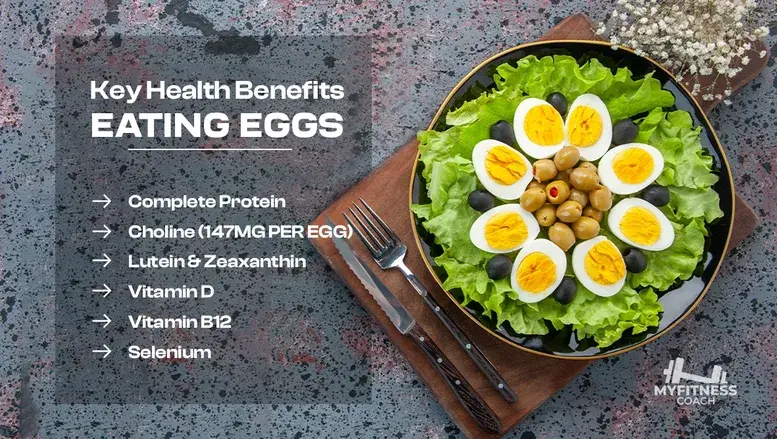
Beyond the calorie and protein numbers, eggs deliver a range of health benefits that make them worth including in almost any diet:
- Complete protein with all 9 essential amino acids supports muscle maintenance, immune function, and enzyme production
- Choline (147mg per egg) — essential for brain health, liver function, and fetal neural development during pregnancy
- Lutein and zeaxanthin — antioxidants concentrated in the yolk that protect against age-related macular degeneration and cataracts
- Vitamin D — one of very few dietary sources; critical for calcium absorption, bone health, and immune regulation
- Vitamin B12 — supports nerve function, red blood cell production, and DNA synthesis; especially important for people who eat little red meat
- Selenium — acts as an antioxidant and supports thyroid hormone production
For people eating on a budget or with limited dietary variety, eggs serve as a practical nutritional safety net consistently delivering micronutrients that are otherwise difficult to obtain without supplementation.
Possible Downsides
Each large egg yolk carries roughly 186mg of dietary cholesterol, which isn't irrelevant particularly for individuals already managing elevated LDL levels or cardiovascular risk factors.
What genuinely concerns practitioners is the saturated fat context surrounding eggs bacon, butter, and sausage consumed alongside them elevate blood cholesterol more aggressively than eggs alone ever could, creating a misleadingly dangerous nutritional picture overall.
Research published in Circulation linked daily egg intake to increased heart disease mortality risk in some populations. For people with diabetes specifically, consuming seven eggs weekly showed measurable cardiovascular complications suggesting individual biology significantly shapes how dietary cholesterol behaves inside the body. For most healthy adults, however, 1–3 eggs per day remains well within safe limits based on current evidence.
Track Your Egg Intake with MyFitnessCoach
Getting your egg calories right is only useful if your tracking tool makes it easy. MyFitnessCoach gives you access to a database of over 1.5 million foods including every egg size and preparation method so your calorie log reflects what you actually ate, not a generic estimate.
Whether you're building muscle, managing a calorie deficit, or simply eating smarter, MyFitnessCoach helps you log meals in seconds, track your macros automatically, and stay consistent toward your health goals every single day.
Start tracking your nutrition for free → MyFitnessCoach
Frequently Asked Questions
Similar Articles
Stay informed with these similar articles.

MyFitnessCoach
October 18, 2023
What Does Body Goals Mean? A Path to a Healthy Lifestyle
In the world we live in now, lots of people talk about "body goals," which means having a body that's seen as perfect. On social media, in magazines, and on TV, we see lots of pictures of people with what seems like perfect bodies, which makes us feel like we have to look like them. But the real meaning of "body goals" is more than just looking good. It's about taking care of your whole self, not just how you look. In this article, we will discuss what does body goals actually mean and how you can achieve your body goals. Let’s get started:
.webp&w=3840&q=75)
MyFitnessCoach
September 5, 2023
How Much Protein in an Egg | The Nutritional Power
Eggs have long been a breakfast favorite for many, and for good reason. They're not only delicious but also packed with essential nutrients, making them a versatile and nutritious addition to your diet. One of the most common questions about eggs is, "How much protein is in an egg?" In this comprehensive guide, we'll delve into the world of eggs and explore their protein content, nutritional benefits, and how they can contribute to a balanced diet.
MyFitnessCoach
May 18, 2023
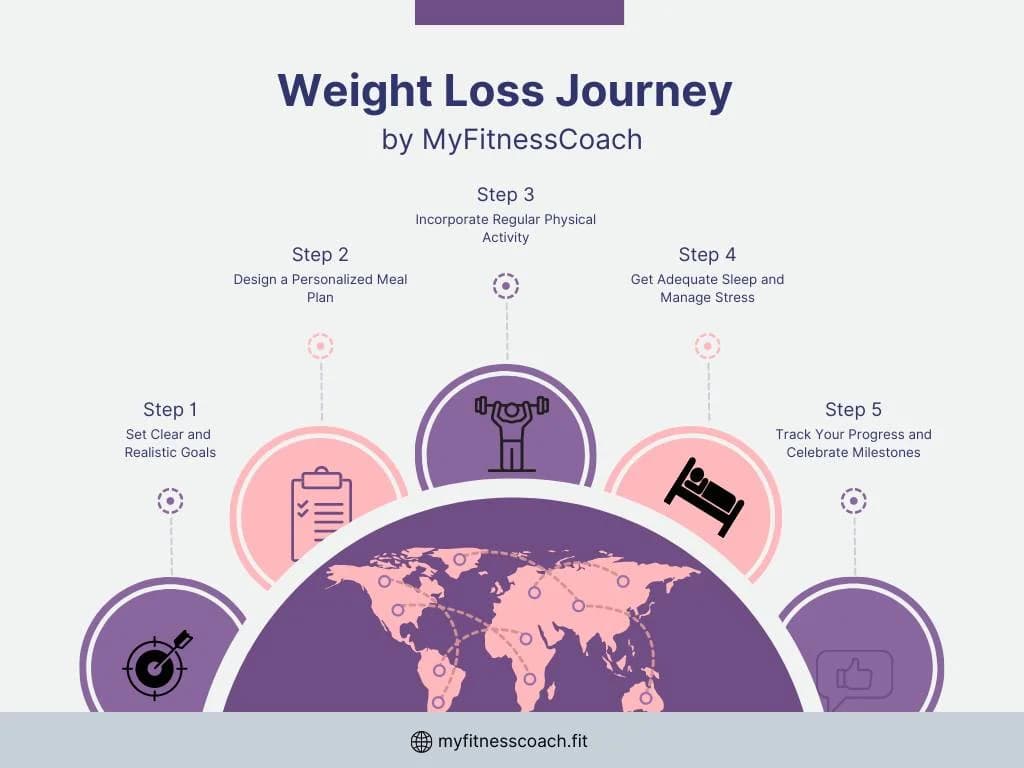
Fitness Guide: How Do I Start A Weight Loss Journey
Ready to start on a life-changing weight-loss journey? Congratulations for taking the first step towards being a better and happier version of yourself! Starting off a weight-loss journey may be both satisfying and stressful. With so much information available, having a well-defined plan and trusted assistance in achieving your goals is important. This article will help you start your weight-loss journey and achieve the results you desire.