
How to Fall Asleep Faster | Pro Tips | MFC Guides

MyFitnessCoach
April 26, 2024
Does it seem difficult for you to fall asleep at night? You're in excellent company, don't worry. Many people battle with it frequently, finding themselves unable to fall asleep or wake up during the night because their minds won't shut down. Fortunately, there is a bright side to this: there are simple yet very powerful methods for accelerating the falling asleep process. We'll go over a thorough list of 10 doable suggestions in this post, all of which are intended to improve your nighttime sleep schedule. Say goodbye to those sleepless nights and throw open the door to the possibility of peaceful sleep!

Table of Contents
Subscribe to our newslettter
1. Establish a Consistent Sleep Schedule
One of the most important factors in falling asleep quickly is maintaining a consistent sleep schedule. Try to go to bed and wake up at the same time every day, even on weekends. This helps regulate your body's internal clock, making it easier to fall asleep and wake up naturally.
2. Create a Relaxing Bedtime Routine
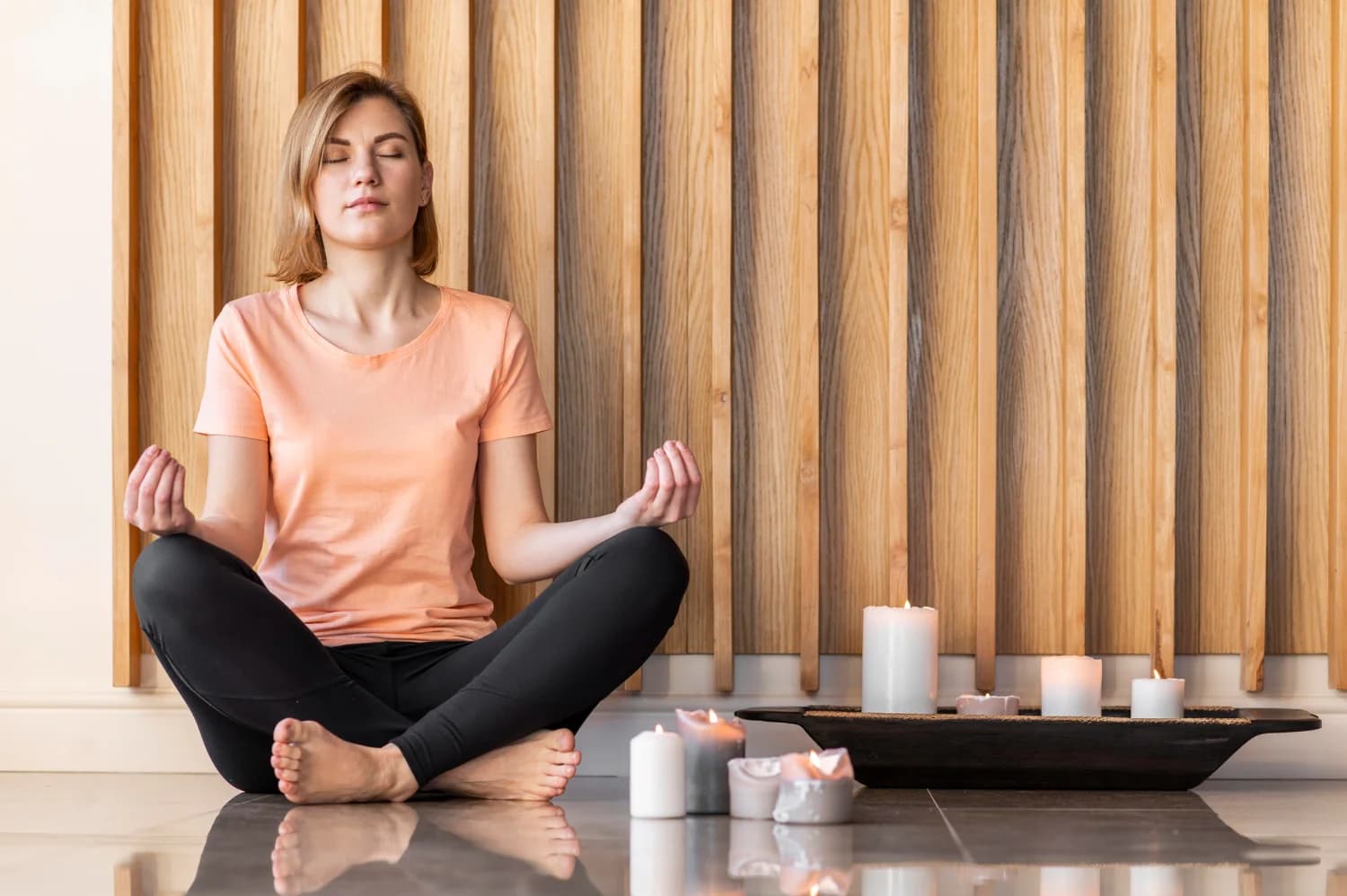
A calming bedtime routine signals to your body that it's time to wind down and prepare for sleep. This could include activities like taking a warm bath, reading a book, or practicing relaxation techniques such as deep breathing or meditation. Find what works best for you and make it a nightly ritual.
3. Limit Screen Time Before Bed
The blue light emitted by screens, such as those from smartphones, tablets, and computers, can interfere with your body's production of melatonin, the hormone that regulates sleep. To promote better sleep, try to limit screen time at least an hour before bedtime. Instead, opt for activities that promote relaxation and prepare your mind for sleep.
4. Create a Comfortable Sleep Environment
Your sleep environment plays a significant role in how quickly you fall asleep and how well you sleep throughout the night. Make sure your bedroom is cool, quiet, and dark, and invest in a comfortable mattress and pillows that support your body's natural alignment. Additionally, consider using white noise machines or earplugs to block out any disruptive sounds.
5. Watch What You Eat and Drink
Certain foods and drinks can interfere with your ability to fall asleep quickly. Avoid consuming caffeine and heavy meals close to bedtime, as they can stimulate your body and make it harder to relax. Instead, opt for light snacks if you're hungry and drink herbal teas like chamomile or peppermint, which have natural calming properties.
6. Get Regular Exercise To Fall Asleep Better
Regular physical activity can improve sleep quality and help you fall asleep faster. Aim for at least 30 minutes of moderate exercise most days of the week, but try to avoid vigorous workouts too close to bedtime, as they can have the opposite effect and energize your body instead of helping it wind down.
7. Manage Stress and Anxiety To Fall Asleep Better
Stress and anxiety can damage on your sleep patterns, making it difficult to fall asleep and stay asleep. Practice stress-reducing techniques such as mindfulness, yoga, or progressive muscle relaxation to calm your mind and body before bedtime. Additionally, consider keeping a journal to write down any worries or concerns, allowing you to clear your mind and relax.
8. Try Natural Remedies To Fall Asleep Better
Several natural remedies may help promote relaxation and improve sleep quality. These include aromatherapy with essential oils like lavender, valerian root supplements, and herbal teas. While these remedies may not work for everyone, many people find them beneficial in aiding relaxation and promoting restful sleep.
9. Limit Naps During the Day
While short naps can be beneficial for some people, excessive daytime napping can disrupt your sleep-wake cycle and make it harder to fall asleep at night. If you find yourself struggling to fall asleep, try to limit daytime naps to 20-30 minutes and avoid napping late in the day.
10. Consider Professional Help
If you've tried various strategies to improve your sleep with no success, it may be time to seek professional help. A healthcare provider or sleep specialist can assess your sleep patterns, identify any underlying sleep disorders, and recommend appropriate treatment options to help you get the rest you need.
It doesn't have to seem impossible to reach the objective of falling asleep faster. You can create the ideal environment for a restful and restorative sleep by incorporating the simple ideas mentioned above into your evening and morning routine. It is imperative that you remain persistent and patient during this process, since it may take some trial and error to find the best tactics customized to your unique situation. I hope that you will have the loveliest dreams as you work hard and persevere to reach peaceful sleep!

Ready to take charge of your sleep and improve your overall well-being? Download the MyFitnessCoach app now and start implementing the actionable tips from our article to help you fall asleep faster and wake up feeling refreshed.
Frequently Asked Questions
Similar Articles
Stay informed with these similar articles.
MyFitnessCoach
September 6, 2023
How to Meditate: A Comprehensive Guide for Beginners
In today's fast-paced world, it can be hard to find times of peace and focus. We often feel swamped by stress, worry, and the pressures of daily life. Meditation is a strong tool that can help us deal with these problems and find peace within ourselves.

MyFitnessCoach
November 30, 2023
How Long Does Matcha Caffeine Last?
In the world of beverages, matcha has gained considerable attention due to its distinct flavor and the potential health advantages it offers. One particular aspect that is of much interest is its caffeine content. Many people often wonder, "How much time does matcha caffeine last?" Let's delve into the interesting nature of matcha and examine, in straightforward terms, how long its caffeine effects endure. So, let’s begin:

MyFitnessCoach
June 8, 2023
Explore the Benefits of Anaerobic Exercises | MyFitnessCoach
A healthy lifestyle is directly linked to sustaining a fitness routine. It plays a vital role in overall well-being. There are numerous types of physical exercises available. All exercises have their individual importance and benefits that you should best align with your preferences and fitness goals. Anaerobic workouts fall under the category of exercises that require a lot of strength and energy during short bursts of demanding effort. The major goals of aerobic exercise are cardiovascular and endurance health. While aerobic activities mostly focus on building muscular strength and power. This article will examine what activities are anaerobic as well as their advantages and significance. Let's explore: