
Managing Endometriosis through Exercise: A Path to Relief

MyFitnessCoach
August 24, 2023
Endometriosis is a common, long-term disease that affects millions of women around the world. It is often misunderstood, though. Endometriosis is a condition in which tissue that looks like the lining of the uterus grows in places other than the uterus. This can cause pelvic pain, heavy periods, and problems getting pregnant.
Even though medical treatments are an important part of taking care of endometriosis, daily, gentle exercise can help a lot and improve the general quality of life for people who have the disease.
Table of Contents
Subscribe to our newslettter
Understanding Endometriosis
Endometriosis happens when endometrial tissue, which looks like the lining of the uterus, grows outside of the uterus. This tissue can join up with organs like the ovaries, fallopian tubes, and walls of the pelvis. During the monthly cycle, these tissue growths harden, break down, and bleed, just like the lining of the uterus. But this blood can't leave the body like the lining of the uterus does when a woman has her period. Internal bleeding, inflammation, and discomfort of the tissues cause pain, scars, and the growth of adhesions, which are abnormal links between organs made of tissue.
Symptoms and Challenges
Endometriosis affects each person in a different way. Some of the most common signs are pelvic pain, which can be very bad, painful periods, pain during or after sexual activity, and problems with the bowels or bladder. People also often report feeling tired, bloated, and having problems with their mood. These signs can get in the way of daily life, causing problems at work, in relationships, and with your mental health.
The Role of Exercise
Endometriosis symptoms can be better controlled by working out regularly. Intense or high-impact workouts might make pain worse, but gentle or mild activities can help relieve pain and make you feel better overall. Here's how physical activity can help:
- Pain Relief: Gentle exercises like walking, swimming, and yoga can stimulate the release of endorphins—natural pain-relieving chemicals in the body. This can alleviate the discomfort associated with endometriosis and improve mood.
- Reduced Inflammation: Chronic inflammation is closely linked to endometriosis. Regular physical activity is known to reduce overall inflammation in the body, which can contribute to managing the condition.
- Stress Reduction: Stress can worsen endometriosis symptoms. Engaging in calming exercises such as deep breathing, meditation, and gentle stretching can help lower stress levels and improve overall resilience.
- Improved Circulation: Exercise enhances blood circulation, which can help in preventing the buildup of excess menstrual blood and reduce the risk of painful adhesions.
- Enhanced Bowel Function: Endometriosis can affect the digestive system, leading to discomfort and constipation. Regular physical activity can stimulate bowel movements and alleviate these issues.
Choosing the Right Exercises
It's important to choose workouts that are easy for you and won't make your conditions worse. Here are some activities to think about:
- Walking: Brisk walking is a low-impact aerobic exercise that can improve cardiovascular fitness and boost mood without putting excess strain on the body.
- Swimming: Swimming or water aerobics provide a supportive and low-impact environment, reducing pressure on joints and muscles while effectively working various muscle groups.
- Yoga: Yoga focuses on gentle stretching, breathing, and relaxation. Specific poses can target pelvic pain and improve flexibility, promoting better posture and reducing muscle tension.
- Pilates: This practice emphasizes core strength, flexibility, and controlled movements. Modified Pilates exercises can strengthen the pelvic region and alleviate discomfort.
- Cycling: Light cycling on a stationary bike can help improve circulation, relieve pelvic congestion, and strengthen leg muscles without causing excessive strain.
Staying active during pregnancy can help improve energy levels, support muscle strength, reduce back discomfort, and prepare your body for childbirth when exercise is approved by your healthcare provider. Low-impact activities such as walking, swimming, prenatal yoga, and gentle strength training are often good options. If you'd like practical tips and safe workout ideas, explore our Stay Fit During Pregnancy guide.
Before starting any kind of exercise programme, it's important to talk to a doctor, especially if you have endometriosis. Here are some rules to follow to make sure your exercise routine is safe and effective:
- Consultation: Talk to your doctor about your plans to exercise to get personalised advice based on how bad your situation is and how fit you are.
- Moderation: Start slowly and gradually increase exercise intensity and duration. Listen to your body and avoid overexertion.
- Proper Form: Learn the right way to do workouts to avoid getting hurt. Especially for things like yoga, you might want to take classes or work with a qualified teacher.
- Warm-Up and Cool-Down: Always begin with a gentle warm-up and end with a cool-down to prevent muscle strain and promote flexibility.
- Hydration: Stay hydrated before, during, and after exercise to support overall well-being.
- Pain Monitoring: Some pain is normal when you work out, but extreme pain is not. If you're in a lot of pain, stop what you're doing and see a doctor.
Living with endometriosis can be hard, but if you add gentle exercise to your daily routine, it can help you manage your symptoms and improve your quality of life. Endometriosis sufferers can get many benefits from exercise, such as less pain, less inflammation, less stress, better circulation, and better bowel function. You can start a path towards better physical and mental health by choosing the right routines, talking to health experts, and putting safety first. Always keep in mind that everyone's endometriosis is different, so it's important to listen to your body and make decisions that fit your comfort and wants.
If you want to learn more about the fitness world, Download MyFitnessCoach app right now and dive deeper into the world of fitness.
For More Informative Blogs Visit: MyFitnessCoach.Fit
Frequently Asked Questions
Similar Articles
Stay informed with these similar articles.
MyFitnessCoach
July 21, 2023
Achieving Your Fitness Goals: Walking For Weight Loss
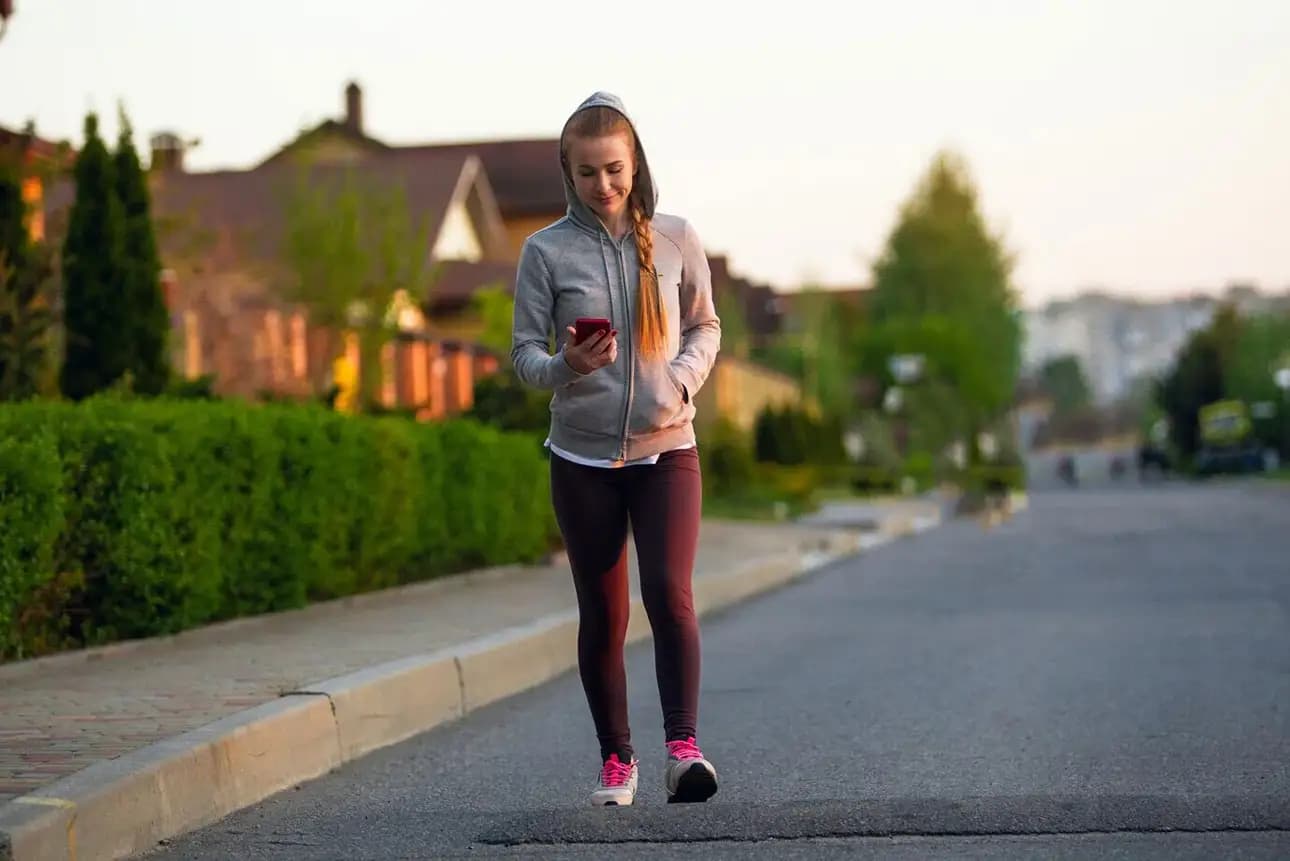
Walking for weight loss is time-tested and effective way to loose those extra pounds and improve your overall health. Whether you're a beginner or a fitness enthusiast, incorporating regular walking into your daily routine can help you to be fit and make a significant difference in your weight loss journey. Lets explore the benefits of walking, the science behind its effectiveness, how to create a successful walking routine, and answer common questions related to walking for weight loss.
MyFitnessCoach
August 17, 2023
The Ultimate Guide to Aerobic Exercise: Benefits | Types | Tips
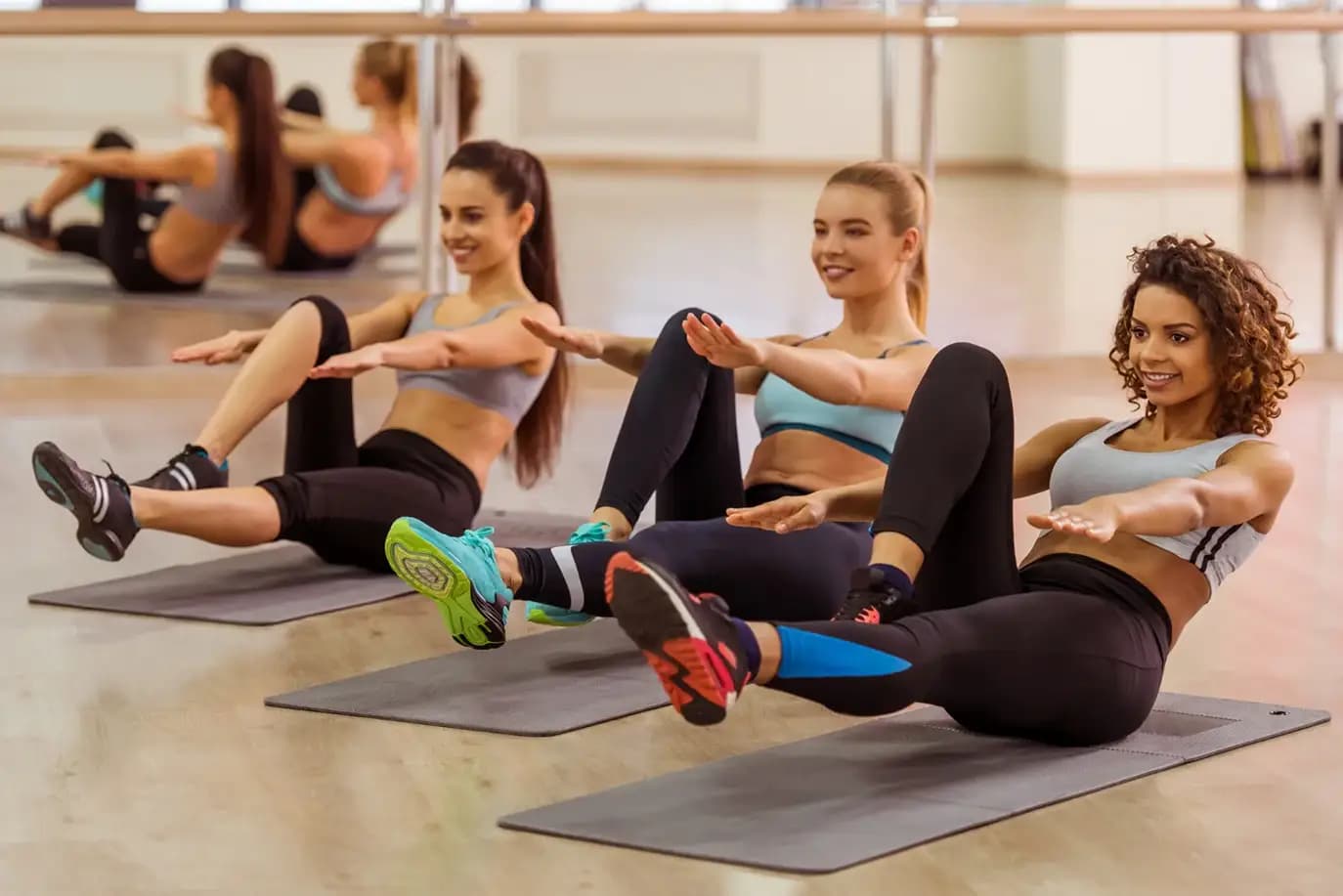
In today's fast-paced world, maintaining a healthy lifestyle has become more crucial than ever. Incorporating regular physical activity into your routine is essential for overall well-being, and one effective way to achieve this is through aerobic exercise.
MyFitnessCoach
May 16, 2023
Easy And Effective Core Workouts At Home
The world is constantly changing and getting fast-paced. You can find it pretty challenging to take time from your busy schedule to visit the gym. However, having a fitness routine and maintaining a strong core are essential to health. This ensures overall fitness and stability.Don't get worried you don't need to get through the tedious gym routine to stay fit and healthy. You can achieve your fitness goals from the comfort of your own home. This article will explore easy and effective core workouts you can effectively do at home. You will need minimal equipment to get maximum results while at home.