
Diet for Good Skin and Hair: A Simple Guide To Achieving Clear Skin & Strong Hair

MyFitnessCoach
August 17, 2023
When it comes to having attractive skin and beautiful hair, you might think that expensive creams and treatments are the only way to go. However, the truth is that what you put inside your body can have a big impact on how you look on the outside. A balanced and nutritious diet can do wonders for your skin and hair.
Here's a simple guide to help you understand how your diet can contribute to achieving that radiant glow and strong, shiny hair you've always wanted.

Table of Contents
Subscribe to our newslettter
Hydration is Key
Begin by knowing the simple things. It's really important to drink enough water for your skin and hair to stay healthy. Water helps clean your body by getting rid of bad stuff. This helps your skin become clearer. Also, water helps keep your skin from getting dry and dull. Try to drink at least 8 glasses of water every day. As time goes by, you'll see that your skin gets better and feels nicer.
Include a Variety of Fruits and Vegetables
Brightly colored fruits and vegetables are rich in vitamins, minerals, and antioxidants that are essential for healthy skin and hair. Vitamin C, found in citrus fruits like oranges and strawberries, helps in collagen production, which is crucial for skin elasticity. Leafy greens like spinach and kale provide vitamins A and E, which can promote healthy skin cell turnover. Remember, a colorful plate usually means a well-nourished body.
Healthy Fats
Don't be afraid of fats – just make sure they're the right kind. Omega-3 fatty acids, found in foods like fatty fish (salmon, mackerel) and flaxseeds, help keep your skin moisturized and can reduce inflammation. Healthy fats also contribute to shiny, strong hair. So, enjoy a handful of nuts or avocados to give your body those beneficial fats.
Protein for Strength
Hair and nails are primarily made of a protein called keratin. Including good sources of protein in your diet, like lean meats, poultry, eggs, and legumes, can support the growth and health of your hair and nails. Additionally, protein is essential for repairing skin tissues, helping to maintain a youthful appearance.
Complex Carbs for Energy
Whole grains, like brown rice, quinoa, and oats, provide complex carbohydrates that supply your body with energy. When your body is well-nourished and energized, it reflects positively on your skin and hair. Avoid sugary foods and refined carbohydrates, as they can lead to inflammation and breakouts.
Vitamins and Minerals
Vitamins and minerals play a crucial role in maintaining healthy skin and hair. Vitamin A supports skin cell production and repair, while zinc helps maintain scalp health. Biotin, found in foods like eggs and nuts, is known for promoting hair growth and overall hair health. Ensure you're getting a balanced intake of these essential nutrients through your diet.
No Excess Sugar and Processed Foods
High consumption of sugary foods and processed snacks can lead to inflammation in your body, which can negatively impact your skin. They can also cause your blood sugar to spike, leading to potential skin issues. Opt for whole, unprocessed foods whenever possible to give your skin the best chance to shine.
Limit Dairy and Consider Dairy Alternatives
Some people find that dairy products can trigger acne and skin issues. If you suspect dairy might be affecting your skin, try limiting your intake or opting for dairy alternatives like almond milk or coconut milk. However, everyone's body is different, so pay attention to how your skin reacts.
Practice Moderation with Caffeine and Alcohol
Both caffeine and alcohol can dehydrate your body, which can reflect on your skin's appearance. Make sure to drink water alongside these beverages and consume them in moderation to maintain healthy skin and hair.
Don't Forget About Collagen
Collagen is a protein that provides structure to your skin, hair, and nails. While it's commonly marketed as a supplement, you can also support your body's collagen production by consuming foods rich in vitamin C, amino acids, and antioxidants. These include citrus fruits, berries, bell peppers, and leafy greens.
Final Thoughts

In conclusion, achieving healthy and glowing skin, as well as strong, shiny hair, goes beyond just using external products. Your diet plays a significant role in how you look on the outside. By staying hydrated, consuming a variety of nutrient-rich foods, including healthy fats, proteins, and complex carbohydrates, and being mindful of your sugar and processed food intake, you can create a solid foundation for your skin and hair health. Remember, consistency is key – the positive effects of a healthy diet may take some time to become noticeable, but they are definitely worth the effort. So, go ahead and nourish your body from the inside out for that natural, radiant beauty.
For More Informative Blogs Visit: MyFitnessCoach.Fit
Frequently Asked Questions
Similar Articles
Stay informed with these similar articles.
MyFitnessCoach
June 18, 2023
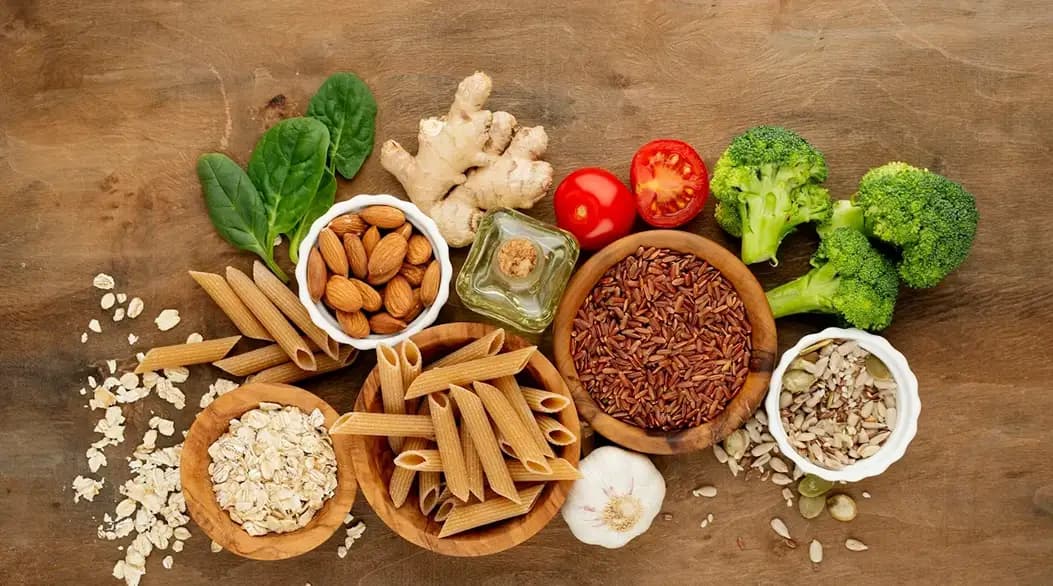
Boost Your Health with these Delicious High Fiber Recipes
In today's fast-paced world, maintaining a healthy lifestyle can be a challenging task. You may find it very difficult to sustain a healthy diet plan. Luckily, It’s relatively simpler to incorporate high-fiber foods into our daily diet routine to promote fitness effectively.
MyFitnessCoach
August 16, 2023
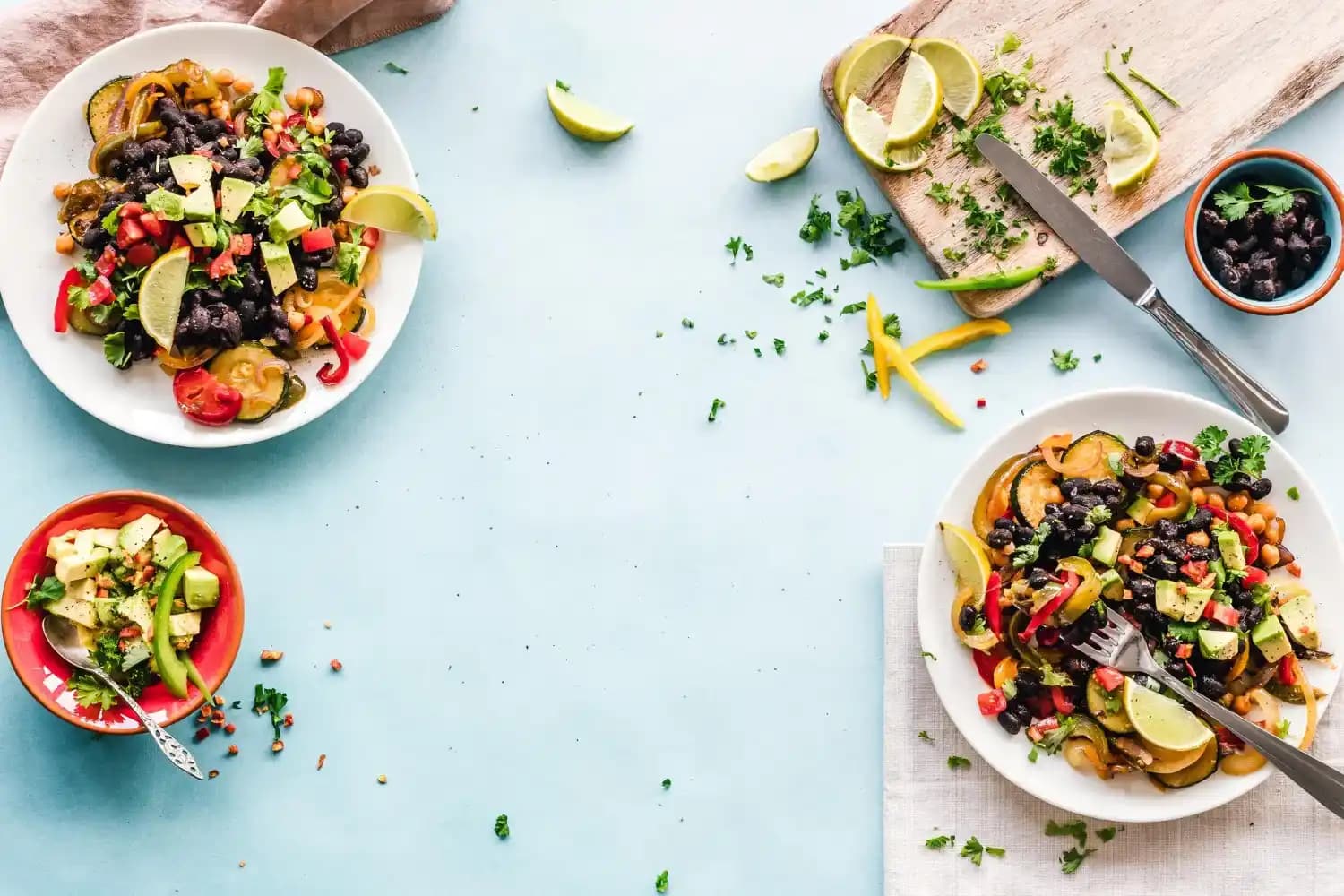
The Mediterranean Recipes: A Journey of Health and Flavor
The Mediterranean diet is getting more and more popular because it's proven to be really effective for your health and it has delicious recipes. This way of eating is based on how people from countries around the Mediterranean Sea, like Greece, Italy, Spain, and southern France, used to eat. They ate lots of healthy meals like whole foods, healthy fats, and tons of fruits and vegetables. This special diet doesn't just help you stay healthy, but it also makes eating with your family and friends really enjoyable.
MyFitnessCoach
July 13, 2023
What Are Carbohydrates | Types Functions | Benefits
Carbohydrates, often referred to as carbs, are one of the three main macronutrients essential for human health and well-being. The other two macronutrients are proteins and fats. Carbs play a vital role in the functionality of the human body. They are the primary source of energy. They empower the brain to support muscle function. Carbs are essential for sustaining life.