
A Beginner's Guide on How to Calculate Nutrition

MyFitnessCoach
December 20, 2023
In today's world, where taking care of our health is super important, knowing how to handle what we eat is crucial for reaching our health and diet goals. No matter if you want to get slimmer, build stronger muscles, or just stay healthy, understanding the basics of what you eat is the first step. This article will guide you through an easy way to calculate nutrition, figure out what's in your food, simplifying the complex terms like macros and calories. Plus, we'll talk about an amazing feature in the MyFitnessCoach app called Macro Coach. It makes it super easy for you to find out exactly how much protein, carbs, fats, and calories are in the food you eat – no stress required. So, let’s explore:
Table of Contents
Subscribe to our newslettter
Understanding Nutrition Basics To Calculate Nutrition
Before getting into the details of calculating nutrition, it's essential to grasp the fundamental components: macronutrients and micronutrients.
1. Macronutrients (Macros)
- Proteins: Proteins play a crucial role in repairing and growing muscles, making them essential for our body's well-being. You can find proteins in various sources such as meat, fish, dairy products, as well as plant-based options like beans and lentils. Including these foods in your diet ensures that your body gets the necessary building blocks for maintaining and developing strong and healthy muscles.
- Carbohydrates: The main supplier of energy for our bodies comes from foods such as grains, fruits, and vegetables.
- Fats: Essential for the creation of hormones and the absorption of nutrients, these are important functions that require a certain type of fat. You can find this beneficial fat in foods like avocados, nuts, and olive oil, which are considered good and wholesome sources.
2. Micronutrients
- Vitamins and Minerals: Crucial for a variety of important tasks your body does, these nutrients are present in fruits, vegetables, whole grains, and lean proteins.
Now, let's explore how to calculate the nutritional content of the foods we eat.
Reading Nutrition Labels
- When you pick up items from the store, you'll often find a lot of helpful information on the packaging. This information is called a nutrition label. It tells you what's inside the food and how much of it is in a serving. Make sure to check the serving size, which is like a portion of the food, and see how many proteins, carbs, and fats are in that serving. Understanding this can help you make healthier choices and keep track of what you're eating.
- Look for information on calories, proteins, carbohydrates, fats, and other relevant nutrients.
Using Online Resources
- Numerous websites and apps offer nutritional information for a wide range of foods. Input the food item, and the platform will generate its nutritional breakdown.
- MyFitnessCoach, Cronometer, and Lose It! are popular nutrition apps for tracking nutrition.
Manually Calculate Nutrition
When you have foods that don't come in packages with labels, like fresh fruits and vegetables, you can figure out their nutritional content by doing some simple calculations. This process doesn't involve looking at a label; instead, you use information from food databases and charts that show the nutrients in different types of food. The key is to figure out how much of each macronutrient (like proteins, carbohydrates, and fats) is present in every gram of the food you're interested in. It's a bit like doing a little math to understand what's in the food you're eating.
MyFitnessCoach App's Macro Coach Feature
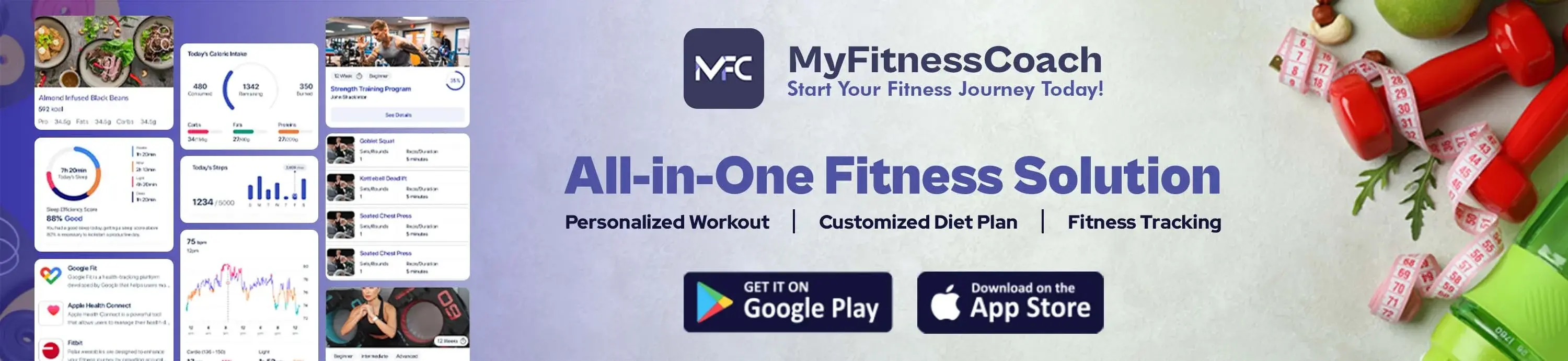
In the search for an easy and effective method to keep tabs on your nutrition, the MyFitnessCoach app introduces a game-changing element called Macro Coach-a macro calculator. This fantastic addition transforms how users figure out and keep an eye on the nutrients they consume by offering a detailed breakdown of macros (like proteins, carbs, and fats) and calories for any food they add to the app. It's like having a personal coach for your food choices.
1. Food Scanning
Macro Coach allows users to scan the barcode of packaged foods, instantly retrieving detailed nutritional information. This eliminates the need for manual input and reduces the margin of error.
2. Extensive Database
With access to a vast database containing information on over 1 million foods, Macro Coach ensures that users can find accurate nutritional details for virtually any item they consume.
3. Personalized Recommendations
Macro Coach goes beyond simple tracking. It offers personalized recommendations based on users' health goals, helping them make informed decisions about their dietary choices.
4. Real-time Updates
As users log their meals and snacks throughout the day, Macro Coach provides real-time updates on their nutritional intake, allowing for immediate adjustments and better control over daily goals.
5. Educational Insights
In addition to providing numbers, Macro Coach educates users about the significance of each macronutrient and its role in achieving specific fitness objectives. This empowers individuals to make informed choices about their diet.
The Advantages of Using Macro Coach
The benefits of using macro coach are:
1. Accuracy
The accuracy of Macro Coach's nutritional breakdowns ensures that users have a precise understanding of their daily intake. This is crucial for those with specific fitness or health goals.
2. Convenience
The convenience of scanning barcodes and accessing a vast database makes tracking nutrition an all-in-one process. Macro Coach simplifies the time-consuming task of manually entering each food item.
3. Adaptability
Macro Coach adapts to users' changing needs. Whether someone is trying to lose weight, build muscle, or simply maintain a balanced diet, the app's personalized recommendations evolve accordingly.
4. Educational Value
The educational insights provided by Macro Coach contribute to users' nutritional literacy. Understanding the role of each macronutrient empowers individuals to make informed decisions about their diet.
In conclusion, the journey to optimal health and fitness begins with a fundamental understanding of nutrition. Calculating macros and calories may seem frightening at first, but with the right tools and resources, it becomes a manageable and even enjoyable aspect of your wellness routine.
The MyFitnessCoach app's Macro Coach feature unifies the technology and health, offering users a comprehensive and user-friendly solution to their nutritional tracking needs. By combining the convenience of food scanning, an extensive database, personalized recommendations, real-time updates, and educational insights, Macro Coach sets a new standard for nutrition tracking apps.
Download the MyFitnessCoach app today and unlock the power of Macro Coach! Say goodbye to the guesswork and hello to precision in tracking your macros and calories. Whether you're a seasoned fitness enthusiast or just starting, Macro Coach is your ultimate companion for reaching your health goals.
Frequently Asked Questions
Similar Articles
Stay informed with these similar articles.

MyFitnessCoach
August 28, 2023
Diet Goals For Weight Loss: Simple Weight Loss Strategies
Losing weight can be a challenging journey, but it's also one of the most rewarding ones you can embark on. While there are numerous diets and weight loss programs out there, the key to success lies in setting realistic diet goals and following a plan that works for you.
MyFitnessCoach
September 28, 2023
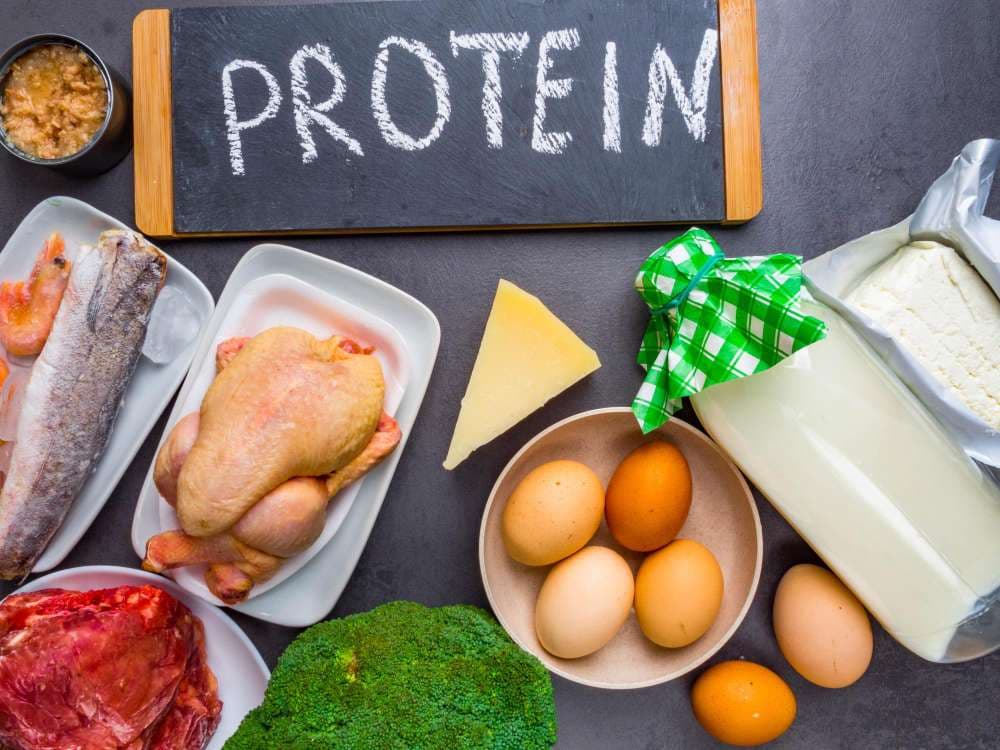
What Do Proteins Do: The Unsung Heroes of Life
Proteins: They are the unsung heroes of life, silently performing countless essential tasks inside our bodies and all living organisms. While you may have heard of proteins in the context of a high-protein diet for muscle building, their roles extend far beyond just that. This article will discuss the fascinating world of proteins, exploring what they are, what they do, and why they are crucial for life itself. So let’s dive in:

MyFitnessCoach
August 8, 2023
MyFitnessCoach App | The Best Nutrition App in 2026
Do you want to be healthier and feel better? Sometimes, it's hard to eat the right foods and stay healthy, especially with our busy lives. But don't worry, there's a solution! It's called the MyFitnessCoach App, and it's the best nutrition app of 2026. This app can help you make better choices about what you eat and how you take care of yourself.