
Side Stitch: How to Handle the Abdominal Pain
MyFitnessCoach
August 1, 2023
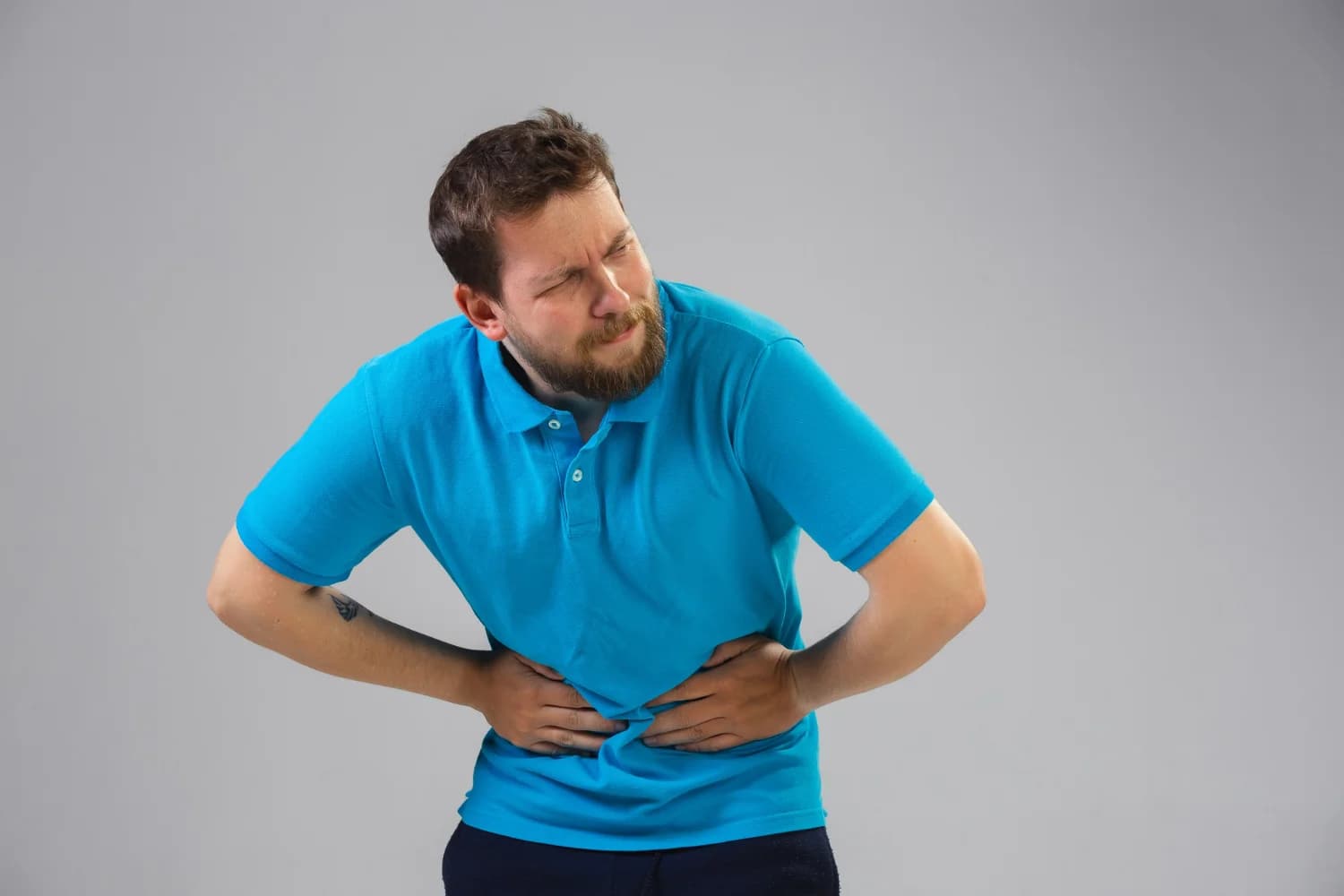
Imagine the scenario: You're running, feeling the fresh air and the rhythm of your steps and suddenly, you feel a sharp pain on your side. You must stop and hold your stomach, wondering what's happening. If you've felt this before, you might know it as a "side stitch." In this article, we'll discuss what side stitches are, why they happen, and how you can deal with them for better and more enjoyable workouts.

Table of Contents
Subscribe to our newslettter
What is a Side Stitch?
A side stitch is medically known as "exercise-related temporary abdominal pain" or stitch in the side. It is a sharp, stabbing pain that occurs on one side of the abdomen during physical activity. This happens particularly during activities that involve repetitive movements like running or fast walking. The pain typically occurs just below the rib cage, on either the right or left side, but mainly on the right.
Causes for Side Stitches
Although side stitches are very common, the exact reason or cause is not really known. However, some possible reasons could be:
- Diaphragm Spasms: The most widely accepted theory is that side stitches are caused by spasms or cramps in the diaphragm. The diaphragm is a dome-shaped muscle that separates the chest cavity from the abdominal cavity and plays a crucial role in breathing. During intense exercise, the diaphragm may become exhausted or irritated, leading to spasms and side stitches.
- Irritated Ligaments: Another theory suggests that side stitches may be caused by irritation of the ligaments that connect the liver and other abdominal organs to the diaphragm. When the ligaments are stretched during physical activity, they can cause sharp pain.
- Shallow Breathing: Inadequate breathing, such as shallow breathing, can lead to an imbalance in the oxygen and carbon dioxide levels in the body. This can cause the diaphragm to cramp and result in side stitch pain.
- Digestion Disturbance: The up-and-down motion of some physical activities can cause the stomach and intestines to bounce, leading to discomfort or pain.
Risk Factors
The following factors may increase the chance of experiencing side stitches during exercise:
- Eating Before Exercise: Consuming a large meal or a heavy snack right before engaging in physical activity may increase the risk of side stitches. Digestion requires blood flow to the stomach, and exercising immediately after eating can divert blood away from the diaphragm. This can cause the cramps in diaphragm leading to side stitches.
- Dehydration: Not being enough hydrated can lead to muscle cramps, including the diaphragm, which may contribute to the development of side stitches.
- Poor Breathing: Breathing rapidly or slowly during exercise may cause diaphragm muscle fatigue and increase the possibility of side stitch pain.
- Intense Exercise: Rapidly increasing the intensity or duration of exercise without proper warm-up may strain the diaphragm and lead to side stitch pain.
- High-Impact Activity: Activities that involve a lot of bouncing movements, like running or aerobics, may increase the risk of side stitches.
How Can You Avoid Side Stitches
There are several techniques you can apply to manage and prevent side stitch pain during exercise:
- Warm-Up: Always begin your exercise routine with a gradual warm-up that includes light aerobic activity and dynamic stretches. Warming up helps prepare your body for more intense movements and reduces the risk of side stitches.
- Proper Breathing: Focus on deep and rhythmic breathing during exercise. Inhale deeply through your nose and exhale fully through your mouth. This technique can help prevent diaphragm muscle cramps and reduce the chances of side stitches.
- Stay Hydrated: Drink plenty of water throughout the day, especially before and during exercise. Proper hydration can prevent muscle cramps and support overall performance.
- Proper Diet: Avoid consuming large meals or heavy snacks immediately before exercising. If you need to eat, go for a light snack at least an hour before your workout.
- Gradual Progression: If you're new to exercise or returning after a break, gradually increase the intensity and duration of your workouts. Avoid sudden and significant changes, which can strain your diaphragm.
- Pause and Stretch: If you experience a side stitch during exercise, stop and take a moment to stretch the affected area gently. Raise your arm on the same side as the stitch and lean in the opposite direction, allowing the diaphragm to relax.
- Improved Core Strength: Strengthening your core muscles can help stabilize your upper body during physical activities, reducing the probability of excessive diaphragm movement and side stitch pain.
- Consistency: Regular exercise can help condition your body and reduce the frequency of side stitches over time.
Getting side stitches can be painful and annoying when you're working out. Even though the exact cause of side stitches isn't always clear. Using the right warm-up techniques, paying attention to your breathing, staying hydrated, and building up slowly can help you deal with and avoid side stitch pain. By taking care of your body and being aware of how you work out, you can make your workouts more fun and less painful.

This will make it easier for you to reach your fitness goals.If you want to delve more into the fitness world and get all the secrets to be revealed, download MyFitnessCoach right now.
To Read More Informative Blogs: MyFitnessCoach.Fit
Frequently Asked Questions
Similar Articles
Stay informed with these similar articles.

MyFitnessCoach
July 21, 2023
Achieving Your Fitness Goals: Walking For Weight Loss
Walking for weight loss is time-tested and effective way to loose those extra pounds and improve your overall health. Whether you're a beginner or a fitness enthusiast, incorporating regular walking into your daily routine can help you to be fit and make a significant difference in your weight loss journey. Lets explore the benefits of walking, the science behind its effectiveness, how to create a successful walking routine, and answer common questions related to walking for weight loss.

MyFitnessCoach
May 16, 2023
Easy And Effective Core Workouts At Home
The world is constantly changing and getting fast-paced. You can find it pretty challenging to take time from your busy schedule to visit the gym. However, having a fitness routine and maintaining a strong core are essential to health. This ensures overall fitness and stability.Don't get worried you don't need to get through the tedious gym routine to stay fit and healthy. You can achieve your fitness goals from the comfort of your own home. This article will explore easy and effective core workouts you can effectively do at home. You will need minimal equipment to get maximum results while at home.

MyFitnessCoach
August 1, 2023
RPE Meaning: Understanding the Rate of Perceived Exertion
There are different ways to figure out how hard your workouts are. Rate of Perceived Exertion (RPE) is one of these ways. It is a simple but effective tool that helps you figure out how hard you are working when you are doing physical exercise. This guide will explain what RPE means, how to use it, and why it can help you get the most out of your workouts. Whether you are an experienced athlete or just starting out, knowing about RPE can help you train better.